




Posted By: Dr. Usha M Kumar on 18 Sep 2026
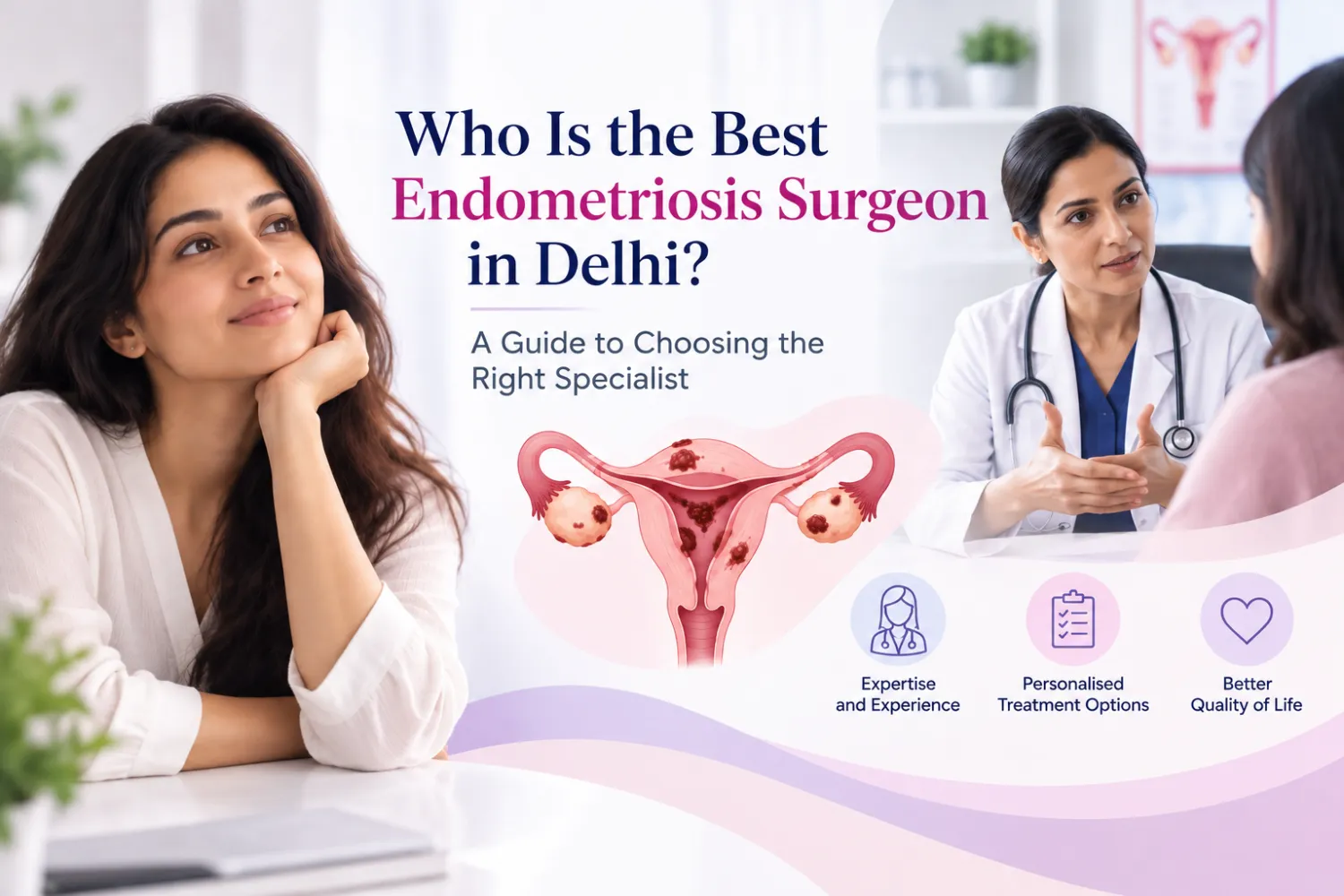
Who Is the Best Endometriosis Surgeon in Delhi?
Finding the right endometriosis surgeon is an important decision, especially when pelvic pain, infertility, recurring symptoms, or a previous unsuccessful surgery has affected your quality of life. Endometriosis is not simply a condition that causes painful periods. It can involve the ovaries, pelvic lining, bowel, bladder, fallopian tubes, and other surrounding structures. Its symptoms and severity can vary considerably from one person to another.
For patients looking for an endometriosis surgeon in Delhi, the most useful question is not only, “Who is the best?” but also:
Which surgeon has the experience, training, surgical judgment, and support team needed for my specific type of endometriosis?
Among the specialists patients may consider is Dr. Usha M. Kumar, Director-level Gynaecologic and Robotic Surgeon at Max Smart Super Speciality Hospital, Saket, Delhi. Her published professional profile documents more than three decades of gynaecological experience, advanced laparoscopic and robotic surgery training, and a focus that includes complex endometriosis and fertility-preserving procedures.
Dr. Usha M Kumar
For women considering treatment with Dr. Usha M. Kumar, the decision should be based on an individual consultation, the extent of disease, symptoms, fertility plans, previous treatment, and the recommended surgical approach.
This guide explains what to look for in an endometriosis specialist, when surgery may be considered, how robotic endometriosis surgery works, and what questions to ask before making a decision.
What Is Endometriosis?
Endometriosis is a chronic inflammatory condition in which tissue resembling the lining of the uterus grows outside the uterus. It commonly affects the pelvic cavity and may involve the ovaries, fallopian tubes, pelvic lining, bowel, bladder, and tissues behind the uterus.
These lesions respond to hormonal changes during the menstrual cycle. Over time, they may contribute to inflammation, scarring, adhesions, ovarian cysts called endometriomas, and changes in the normal anatomy of the pelvis.
The World Health Organization estimates that endometriosis affects approximately 10% of women and girls of reproductive age worldwide, or around 190 million people. It can affect daily activities, relationships, fertility, emotional well-being, and overall quality of life.
Common symptoms of endometriosis
Symptoms differ from patient to patient. Some women experience severe pain, while others have relatively few symptoms despite extensive disease.
Common symptoms include:
- Severe or worsening period pain
- Chronic pelvic pain
- Pain during or after sexual intercourse
- Pain during bowel movements, particularly during menstruation
- Painful urination, especially during periods
- Heavy or irregular menstrual bleeding
- Bloating, constipation, or diarrhoea
- Fatigue
- Difficulty conceiving
- Persistent pelvic discomfort despite medication
Not every woman with painful periods has endometriosis, and not every woman with endometriosis experiences severe pain. Other conditions, including adenomyosis, fibroids, pelvic inflammatory disease, and bowel or bladder disorders, can cause similar symptoms. A careful evaluation is therefore essential.
Why Choosing the Right Endometriosis Surgeon Matters
Endometriosis surgery can be technically demanding. The disease may appear as superficial lesions, ovarian endometriomas, adhesions, or deep infiltrating endometriosis involving structures close to the bowel, bladder, ureters, or pelvic nerves.
The objective is not simply to perform surgery. It is to develop a treatment plan that addresses the patient’s symptoms and disease while considering:
- The location and extent of endometriosis
- Pain and quality-of-life concerns
- Fertility and reproductive goals
- Ovarian reserve
- Previous operations
- Adhesions and distorted pelvic anatomy
- The possibility of bowel, bladder, or ureteric involvement
- Risks associated with removing disease near vital structures
- The likelihood of requiring a multidisciplinary team
A surgeon experienced in advanced endometriosis should be able to explain not only the proposed procedure, but also its limitations, alternatives, possible complications, and the expected need for long-term follow-up.
What makes an endometriosis specialist different?
A gynaecologist may treat endometriosis medically or surgically. However, patients with complex or deep disease may benefit from evaluation by a surgeon with specific experience in advanced pelvic surgery.
When assessing a specialist, consider:
- Experience with endometriosis surgery: Does the surgeon regularly operate on patients with endometriosis?
- Experience with deep disease: Has the surgeon managed deep infiltrating endometriosis and extensive adhesions?
- Advanced minimally invasive training: Is the surgeon trained in advanced laparoscopy or robotic surgery?
- Fertility-conscious decision-making: Does the treatment plan consider ovarian reserve and future pregnancy goals?
- Multidisciplinary access: Can the surgeon coordinate with colorectal, urology, fertility, or pain specialists when needed?
- Transparent consultation: Does the surgeon explain alternatives and risks without promising guaranteed results?
These factors are more meaningful than a generic “best doctor” label.
Dr. Usha M. Kumar: An Experienced Option for Endometriosis Treatment in Delhi
Dr. Usha M. Kumar is a Director-level Gynaecologic and Robotic Surgeon associated with Max Smart Super Speciality Hospital, Saket, New Delhi. Her professional profile documents more than 30 years of experience and more than 10,000 surgeries, alongside qualifications and training in gynaecology, advanced endoscopic surgery, gynaecologic oncology, and robotic surgery.
Her published specialist information also describes experience in complex endometriosis, including advanced and Grade 3–4 disease, and fertility-preserving surgical techniques. These details make her a relevant specialist for patients seeking an evaluation for advanced endometriosis and minimally invasive surgical options.
Areas of expertise relevant to endometriosis
Based on her published professional and clinic information, areas patients may discuss during consultation include:
- Advanced laparoscopic gynaecological surgery
- Robotic-assisted gynaecological surgery
- Complex endometriosis surgery
- Deep infiltrating endometriosis
- Fertility-preserving surgical planning
- Ovarian endometriosis and pelvic adhesions
- Evaluation of recurrent or previously treated endometriosis
- Individualised surgical planning based on disease extent
It is important to understand that a surgeon’s expertise does not mean every patient requires robotic surgery. Robotic assistance is one surgical approach. The best approach depends on the disease, anatomy, previous operations, surgical goals, and the surgeon’s assessment.
What Is Deep Infiltrating Endometriosis?
Deep infiltrating endometriosis, often abbreviated as DIE, refers to endometriosis that extends deeply into tissues beneath the pelvic surface. It can affect areas such as:
- The tissue behind the uterus
- The uterosacral ligaments
- The rectovaginal region
- The bowel or rectum
- The bladder
- The ureters
- Other structures within the pelvis
Deep endometriosis can be associated with severe period pain, pain during intercourse, bowel-related symptoms, urinary symptoms, and fertility difficulties. However, symptoms alone cannot reliably determine the extent of disease.
Why deep endometriosis may require advanced surgery
Deep endometriosis can cause adhesions and may alter the normal position of pelvic organs. Surgery may involve carefully separating organs, identifying vital structures, removing lesions, and preserving healthy tissue wherever possible.
Depending on the location and severity, a surgical plan may require collaboration with other specialists. For example, bowel or urinary tract involvement may require colorectal or urological expertise.
A consultation should clarify:
- Whether deep endometriosis is suspected
- Which organs may be involved
- Whether additional imaging is needed
- Whether surgery is recommended
- Which surgical team may be involved
- What the potential risks and recovery may look like
Robotic Endometriosis Surgery: What Does It Mean?
Robotic-assisted surgery is a form of minimally invasive surgery in which the surgeon controls specialised instruments from a console. The robotic system does not independently diagnose the disease or perform the operation by itself.
The system may provide features such as:
- Magnified, three-dimensional visualisation
- Wristed instruments that can articulate within the surgical field
- Fine instrument control
- Improved access to certain confined pelvic spaces
- Ergonomic advantages for the operating surgeon
These features may be useful in selected complex gynaecological procedures. However, the value of robotic assistance depends on the surgeon’s experience, the patient’s anatomy, the procedure being performed, and the overall surgical plan.
Is robotic surgery better than laparoscopic surgery?
Not necessarily for every patient.
Both conventional laparoscopy and robotic-assisted surgery are minimally invasive approaches. Robotic surgery may offer technical advantages in some complex procedures, but it is not automatically superior in every case. The surgeon should recommend the approach that is appropriate for the patient’s condition rather than choosing technology for its own sake.
A good consultation should answer:
“Why is robotic surgery being recommended for my case, and what would be the alternative?”
The answer should be based on clinical reasoning, not only on the availability of a robotic system.
What Happens During an Endometriosis Evaluation?
A thorough evaluation usually begins with a detailed discussion of symptoms, menstrual history, previous treatment, fertility goals, and any earlier surgery.
- Medical history and symptom assessment
The doctor may ask about:
- When pain began
- Whether pain is linked to menstruation
- Pain during intercourse
- Bowel or urinary symptoms
- Previous hormonal treatment
- Prior laparoscopic procedures
- Fertility history
- Family history of endometriosis
- The impact of symptoms on work, sleep, and daily life
Keeping a symptom diary before consultation can be helpful. Record the timing, severity, and location of pain, along with bowel, bladder, and menstrual symptoms.
- Physical examination
A pelvic examination may be recommended depending on symptoms and clinical circumstances. It may help identify tenderness, masses, or other findings, although a normal examination does not exclude endometriosis.
- Imaging
Ultrasound and MRI can help assess suspected endometriosis, particularly when performed and interpreted with attention to the disease’s possible locations.
Imaging may help identify:
- Ovarian endometriomas
- Adhesions or anatomical distortion
- Deep endometriosis in selected locations
- Possible bowel or bladder involvement
- Other causes of pelvic pain
Current clinical guidance increasingly recognises the role of clinical assessment and imaging in making a presumptive diagnosis and planning treatment. Surgery is not always required before treatment can begin.
- Discussing treatment options
Treatment depends on symptoms, disease extent, reproductive plans, previous treatment, and patient preference. Options may include medication, hormonal treatment, pain management, fertility treatment, surgery, or a combination.
The right plan is individualised. A patient who is trying to conceive may require a different approach from someone whose primary concern is chronic pain and who does not currently wish to become pregnant.
When Is Surgery Considered for Endometriosis?
Surgery is not necessary for every person with endometriosis. Medication and other non-surgical approaches may be appropriate, particularly when pain is the primary concern and symptoms can be managed effectively.
Surgery may be considered in situations such as:
- Persistent or severe symptoms despite medical treatment
- Endometriomas or other findings requiring surgical assessment
- Deep endometriosis involving important pelvic structures
- Significant adhesions or distorted pelvic anatomy
- Symptoms that substantially affect quality of life
- Selected fertility-related circumstances
- A need to investigate or treat a concerning pelvic mass
- A patient preference after discussing the benefits and risks
The decision should be based on the complete clinical picture rather than on the stage of disease alone.
Does surgery cure endometriosis?
Endometriosis is a chronic condition, and surgery should not be presented as a guaranteed permanent cure. Surgery may remove visible disease and improve symptoms for many patients, but symptoms can persist or recur.
The American College of Obstetricians and Gynecologists explains that surgery can relieve pain and may improve fertility in selected cases, but endometriosis-related pain can return after treatment. Long-term management and follow-up may therefore remain important.
ACOG
This is why a responsible surgical plan includes more than the operation itself. It should consider postoperative treatment, fertility planning, pain management, and follow-up.
Excision Surgery vs Ablation: What Should Patients Know?
Two terms patients may hear are excision and ablation.
- Excision involves cutting out and removing endometriosis lesions or affected tissue.
- Ablation involves destroying the surface of endometriosis tissue, often using energy.
The appropriate technique depends on the type, depth, location, and extent of disease. These approaches are not interchangeable in every situation.
For deep endometriosis, surgical planning is particularly important because lesions may extend beneath the surface or lie close to organs and vital structures. The surgeon should explain which technique is being considered and why.
Patients should ask:
- Is the suspected disease superficial or deep?
- Is excision appropriate for my condition?
- What structures may be involved?
- What are the risks of removing the disease?
- How will ovarian tissue and healthy organs be protected?
- What is the plan if disease involves the bowel, bladder, or ureters?
Endometriosis, Fertility, and Fertility-Preserving Surgery
Endometriosis and fertility can be closely connected, although many women with endometriosis conceive naturally. The condition may affect fertility through inflammation, adhesions, changes in pelvic anatomy, ovarian endometriomas, or other mechanisms.
The relationship between endometriosis and fertility is complex. A patient with endometriosis who wants to become pregnant should discuss reproductive goals early in the treatment process.
Questions to discuss with your surgeon
- How might endometriosis affect my fertility?
- Is surgery likely to help in my specific situation?
- Could surgery affect my ovarian reserve?
- Should I consult a fertility specialist before surgery?
- Is egg freezing or another fertility-preservation option relevant?
- Should I consider trying naturally, IUI, or IVF?
- What is the expected timeline after treatment?
Why ovarian preservation matters
Surgery involving the ovaries requires careful planning. Removing an endometrioma or treating disease around the ovary may be clinically appropriate, but ovarian tissue should be handled thoughtfully, particularly in women who wish to preserve fertility.
A fertility-focused approach means balancing disease treatment with the preservation of reproductive potential wherever clinically possible. It does not mean that surgery can guarantee pregnancy or prevent all future fertility difficulties.
What Are the Benefits and Risks of Robotic Endometriosis Surgery?
Robotic surgery may offer advantages in selected cases, including the ability to perform delicate dissection in confined pelvic spaces and improved instrument articulation. These potential advantages must be considered alongside the general risks of surgery.
Potential benefits
Depending on the procedure and patient, minimally invasive robotic surgery may offer:
- Smaller abdominal incisions than open surgery
- Reduced blood loss in some procedures
- Less postoperative discomfort in some cases
- Shorter hospitalisation compared with some open procedures
- Earlier return to routine activities, depending on the operation
- Enhanced visualisation and instrument control
These are potential benefits, not guaranteed outcomes. Recovery varies according to the complexity of surgery, the organs involved, the patient’s health, and whether additional procedures are required.
Potential risks
As with any surgery, possible risks may include:
- Bleeding
- Infection
- Injury to nearby organs
- Injury to the bowel, bladder, or ureters
- Adhesion formation
- Anaesthesia-related complications
- Conversion to open surgery when necessary
- Persistent or recurrent pain
- Further treatment or repeat surgery
The surgeon should explain risks in the context of the individual case. Complex deep endometriosis surgery may have different risks from a straightforward procedure.
Why Delhi Patients May Consider Dr. Usha M. Kumar
Patients seeking endometriosis treatment in Delhi may consider Dr. Usha M. Kumar because her published profile combines long-standing gynaecological experience with advanced laparoscopic and robotic surgical practice.
Her professional information identifies her as a Director-level gynaecological and robotic surgeon at Max Smart Super Speciality Hospital, Saket, and lists qualifications including MBBS, MS in Obstetrics and Gynaecology, MRCOG/FRCOG, and advanced endoscopic and robotic surgery training.
Her dedicated endometriosis service information also describes a focus on complex endometriosis, robotic excision surgery, and fertility-preserving care.
What this means for a patient
For a woman considering consultation, these credentials may make Dr. Usha M. Kumar a relevant specialist to evaluate, particularly when the concern involves:
- Suspected deep endometriosis
- Recurrent symptoms after prior surgery
- Ovarian endometriosis
- Extensive pelvic adhesions
- Endometriosis-related fertility concerns
- The need to discuss laparoscopic versus robotic surgery
However, the final recommendation should always be based on a consultation and review of the patient’s medical records and imaging.
Questions to Ask Before Choosing an Endometriosis Surgeon
Before agreeing to surgery, patients should feel comfortable asking detailed questions. A good specialist should welcome informed decision-making.
Questions about experience
- How frequently do you perform endometriosis surgery?
- How much experience do you have with deep infiltrating endometriosis?
- Do you perform robotic excision surgery?
- How do you approach recurrent endometriosis?
- Do you manage ovarian endometriomas and extensive adhesions?
Questions about the proposed operation
- What type of endometriosis do I have?
- What organs may be involved?
- Is surgery necessary now, or are there non-surgical options?
- Why are you recommending robotic surgery rather than conventional laparoscopy?
- What is the goal of surgery in my case?
- Will the aim be excision, ablation, or another technique?
- Could the surgery involve the bowel, bladder, or ureters?
- Will other specialists be available if required?
Questions about fertility and recovery
- How could the surgery affect my ovarian reserve?
- Should I meet a fertility specialist before surgery?
- How long might recovery take?
- When can I return to work or normal activities?
- What follow-up treatment may be recommended?
- What should I do if pain returns?
- What are the estimated costs and what is included?
These questions help patients compare specialists based on the quality of care and the suitability of the treatment plan—not merely on advertising claims.
Frequently Asked Questions
- Who is the best endometriosis surgeon in Delhi?
There is no universally recognised, objective ranking that can identify one surgeon as the best for every endometriosis patient. The right choice depends on the surgeon’s experience with the patient’s specific disease, surgical needs, fertility goals, and complexity.
Dr. Usha M. Kumar is a specialist patients may consider for endometriosis treatment in Delhi, particularly when exploring advanced laparoscopic or robotic surgery for complex disease. Her published profile documents extensive gynaecological experience and advanced robotic and endoscopic training.
- Is Dr. Usha M. Kumar a robotic endometriosis surgeon in Delhi?
Her official professional and clinic information describes her as a gynaecological and robotic surgeon with experience in complex endometriosis and fertility-preserving surgical techniques. Patients should discuss their individual condition and the recommended approach during consultation.
- Is robotic surgery suitable for all endometriosis patients?
No. Robotic surgery is not necessary for every patient. The choice depends on the disease’s location and extent, surgical complexity, previous procedures, and the surgeon’s clinical judgment. Conventional laparoscopy, medication, or other treatments may be more appropriate in certain situations.
- Can robotic surgery cure endometriosis permanently?
No surgery should be described as a guaranteed permanent cure for endometriosis. Surgery can remove visible disease and improve symptoms in selected patients, but recurrence or persistent pain remains possible. Long-term management may be needed.
- Can endometriosis surgery improve fertility?
In selected patients, surgery may improve fertility, but the benefit depends on factors such as age, ovarian reserve, disease severity, tubal function, sperm factors, and other fertility considerations. Surgery cannot guarantee pregnancy. A fertility specialist may be part of the treatment team.
- Do I need an MRI before consulting an endometriosis surgeon?
Not every patient needs an MRI. The doctor may recommend ultrasound, MRI, or other evaluation based on symptoms and the suspected location of disease. If you already have imaging, bring the reports and images to your appointment.
- Can endometriosis return after surgery?
Yes. Endometriosis is a chronic condition, and symptoms or disease may recur after surgery. The risk depends on several factors, including disease extent, the type of treatment, and long-term management. Discuss postoperative follow-up and medical treatment with your specialist.
- Where does Dr. Usha M. Kumar consult in Delhi?
Her official clinic information lists consultation at Max Smart Super Speciality Hospital, Saket, New Delhi. Her website also lists a clinic in Lajpat Nagar, Delhi. Patients should confirm appointment availability, timings, and location directly before visiting.
Conclusion: Choosing the Right Endometriosis Surgeon in Delhi
Endometriosis treatment requires more than choosing a doctor based on a title or a technology. The most important factors are experience, accurate evaluation, appropriate surgical planning, honest communication, and care that reflects the patient’s symptoms and reproductive goals.
For women looking for an endometriosis surgeon in Delhi, Dr. Usha M. Kumar is a specialist worth considering, particularly for consultation regarding complex endometriosis, advanced minimally invasive surgery, and fertility-preserving options. Her published credentials and professional information document extensive gynaecological experience and expertise in robotic and laparoscopic surgery.
Dr. Usha M Kumar
The next step is to arrange a consultation, review your symptoms and reports, and understand whether surgery is appropriate for your situation.
If you are experiencing persistent pelvic pain, painful periods, pain during intercourse, or difficulty conceiving, consider seeking a gynaecological evaluation rather than continuing to tolerate symptoms without assessment.
Book a Consultation
Dr. Usha M. Kumar Director-level Gynaecologic & Robotic Surgeon Max Smart Super Speciality Hospital, Saket, New Delhi
For appointments: Contact the clinic directly through the official website or listed hospital channels.
Clinic information: Max Smart Super Speciality Hospital 1, 2, Press Enclave Road, Mandir Marg, Saket, New Delhi – 110017
Phone / WhatsApp: +91-9999293741 Website: Dr. Usha M. Kumar – https://www.drushamkumar.com/