




Posted By: Dr. Usha M Kumar on 15 Nov 2026
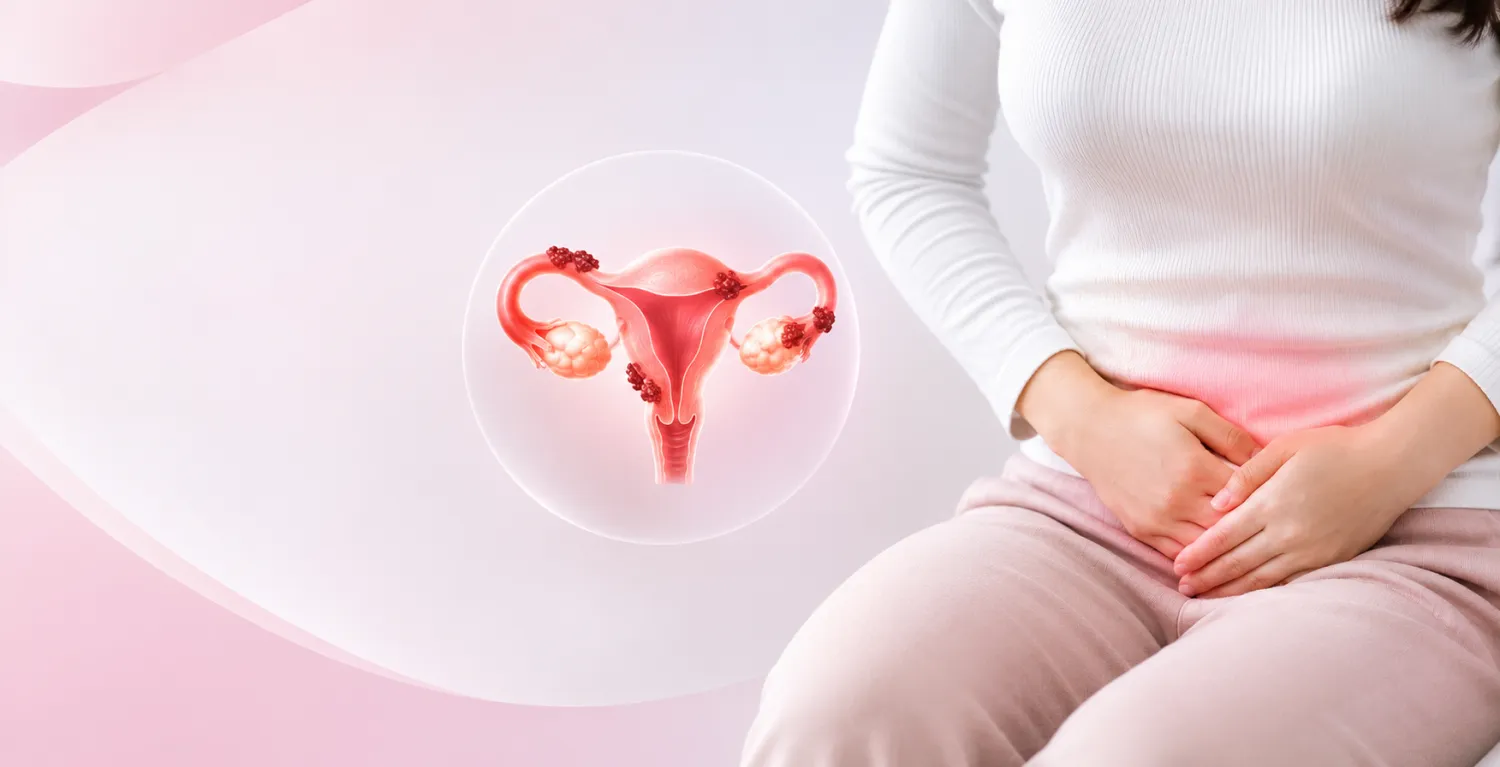
For many women, endometriosis begins with symptoms that are easily dismissed: painful periods, persistent pelvic discomfort, bloating or pain during intercourse. Over time, these symptoms may become more severe, interfering with professional responsibilities, relationships, fertility plans and everyday activities.
What makes endometriosis particularly challenging is that it does not affect every woman in the same way. Some patients have superficial disease with substantial pain, while others develop extensive adhesions, ovarian cysts or deep lesions involving the bowel, bladder and surrounding pelvic structures.
Advanced endometriosis requires careful assessment because treatment decisions may influence not only pain relief but also reproductive health and the functioning of nearby organs.
Women searching for the best endometriosis expert in India should therefore look for a specialist who understands complex pelvic anatomy, can interpret advanced imaging findings and provides personalised treatment rather than recommending surgery automatically.
What Is Advanced Endometriosis?
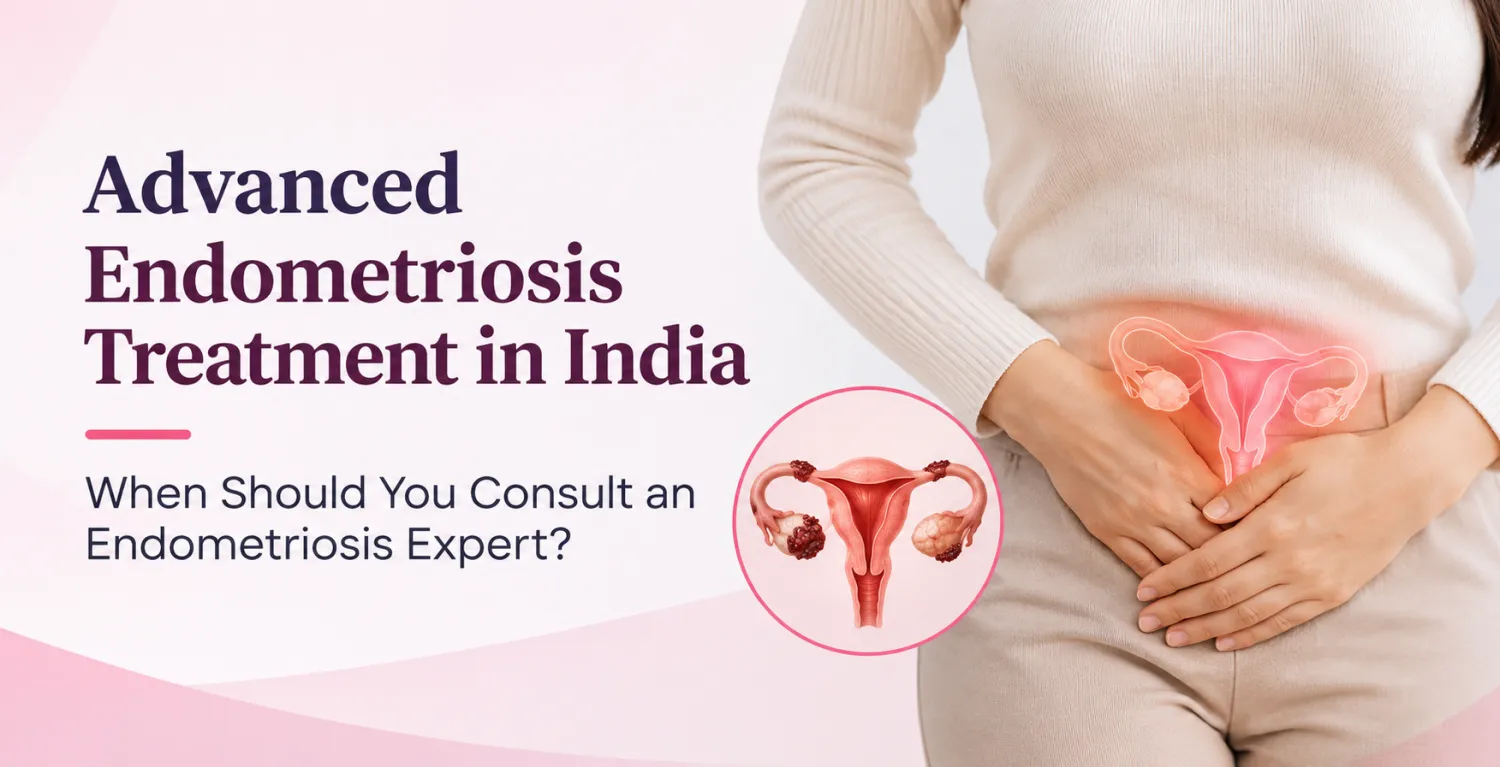
Endometriosis is a chronic inflammatory condition in which tissue resembling the endometrium develops outside the uterus.
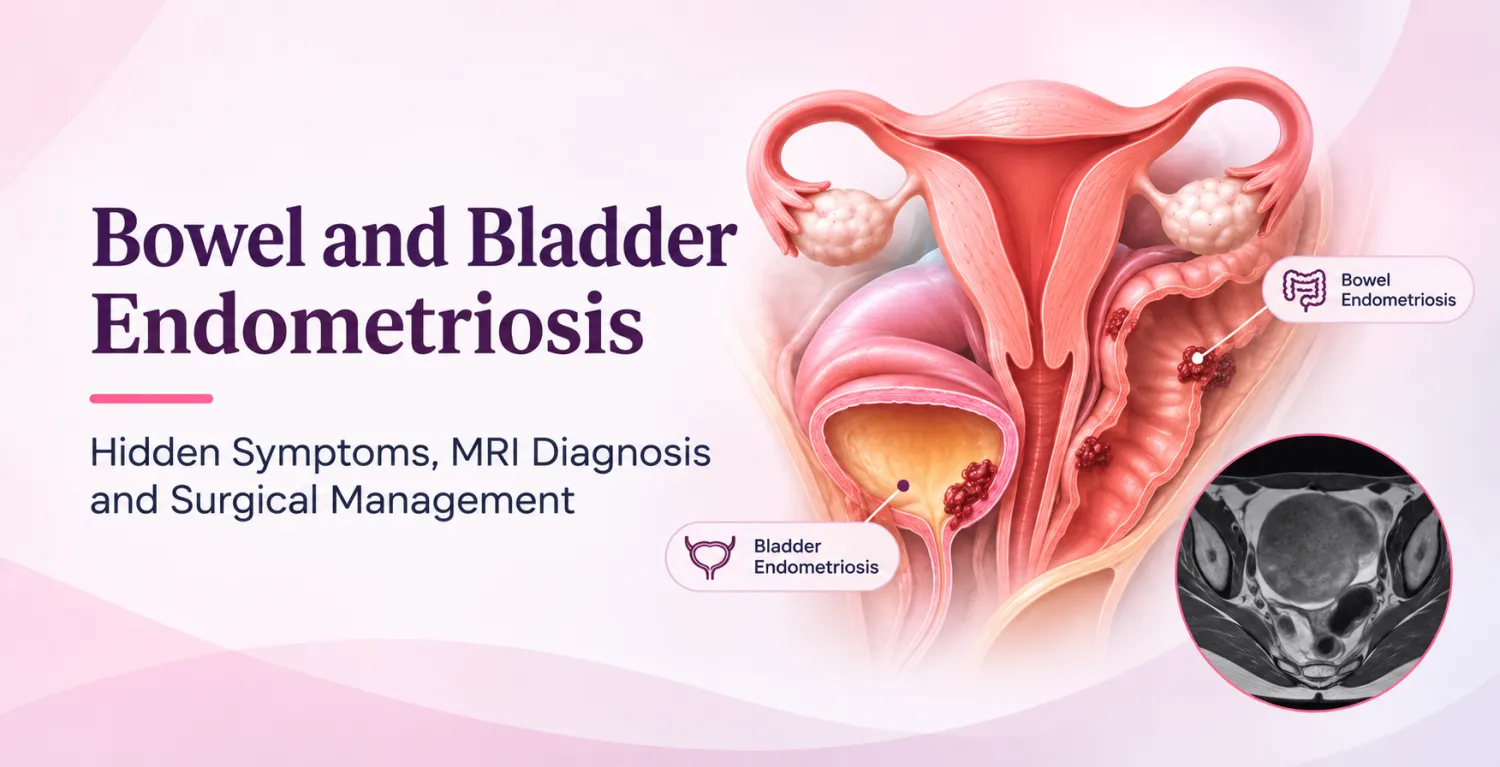
These lesions may occur on the pelvic peritoneum, ovaries, uterosacral ligaments, bowel, bladder or other structures.
Advanced endometriosis commonly refers to disease associated with significant adhesions, deep tissue involvement, ovarian endometriomas or complex anatomical distortion. However, the term is not a separate formal diagnostic stage.
The condition may cause:
- Severe menstrual pain that disrupts normal activities
- Chronic pelvic pain outside menstruation
- Pain during or after sexual intercourse
- Painful bowel movements, particularly during periods
- Urinary discomfort or cyclical urinary symptoms
- Difficulty conceiving
- Fatigue and reduced quality of life
The severity of pain does not reliably indicate the extent of disease. This is one reason clinical evaluation must go beyond symptom intensity alone.
Why Is Advanced Endometriosis Difficult to Diagnose?
Endometriosis can resemble other gynecological, gastrointestinal and urinary disorders.
Irritable bowel syndrome, adenomyosis, pelvic floor dysfunction and bladder pain syndrome may produce overlapping symptoms. Some of these conditions may also coexist with endometriosis.
Routine ultrasound can detect ovarian endometriomas and certain deep lesions, but superficial disease may not be visible.
A specialist may recommend expert transvaginal ultrasound or pelvic MRI when deep disease is suspected.
Imaging is particularly valuable before surgery because it can help identify possible bowel, bladder or ureter involvement and guide multidisciplinary planning.
Importantly, a normal ultrasound or MRI does not exclude endometriosis.
When Should You Consult an Endometriosis Expert?
Specialist consultation becomes particularly valuable when symptoms are persistent, diagnosis remains uncertain or previous treatment has not provided adequate relief.
- Severe pain despite medical treatment
If appropriate hormonal therapy or pain management has not adequately controlled symptoms, reassessment may help identify additional treatment options or overlapping pain conditions.
- Suspected deep infiltrating endometriosis
Symptoms involving bowel movements, urination or deep pelvic pain may warrant specialist evaluation, particularly when imaging suggests lesions near vital structures.
- Recurrent symptoms after surgery
Pain returning after an operation does not automatically mean that endometriosis has recurred. Residual lesions, adenomyosis, adhesions or pelvic floor dysfunction may contribute.
- Endometriosis with infertility
Women planning pregnancy may require coordinated assessment of ovarian reserve, tubal function, disease location and assisted reproductive options.
- Complex ovarian endometriomas
Surgery involving ovarian cysts must balance potential benefits against the possibility of reducing healthy ovarian tissue and ovarian reserve.
Advanced Treatment Options for Endometriosis
Treatment depends on symptoms, imaging findings, previous treatment, reproductive goals and patient preferences.
Hormonal management
Combined hormonal contraceptives, progestogens and gonadotropin-releasing hormone-based treatments may help suppress symptoms in suitable patients.
These treatments do not permanently eliminate endometriosis and are not appropriate for every patient, particularly those actively trying to conceive.
Pain management and multidisciplinary care
Persistent pelvic pain may involve inflammation, pelvic floor muscle dysfunction and altered pain processing.
Management may include appropriate analgesia, pelvic floor physiotherapy and specialist pain care alongside gynecological treatment.
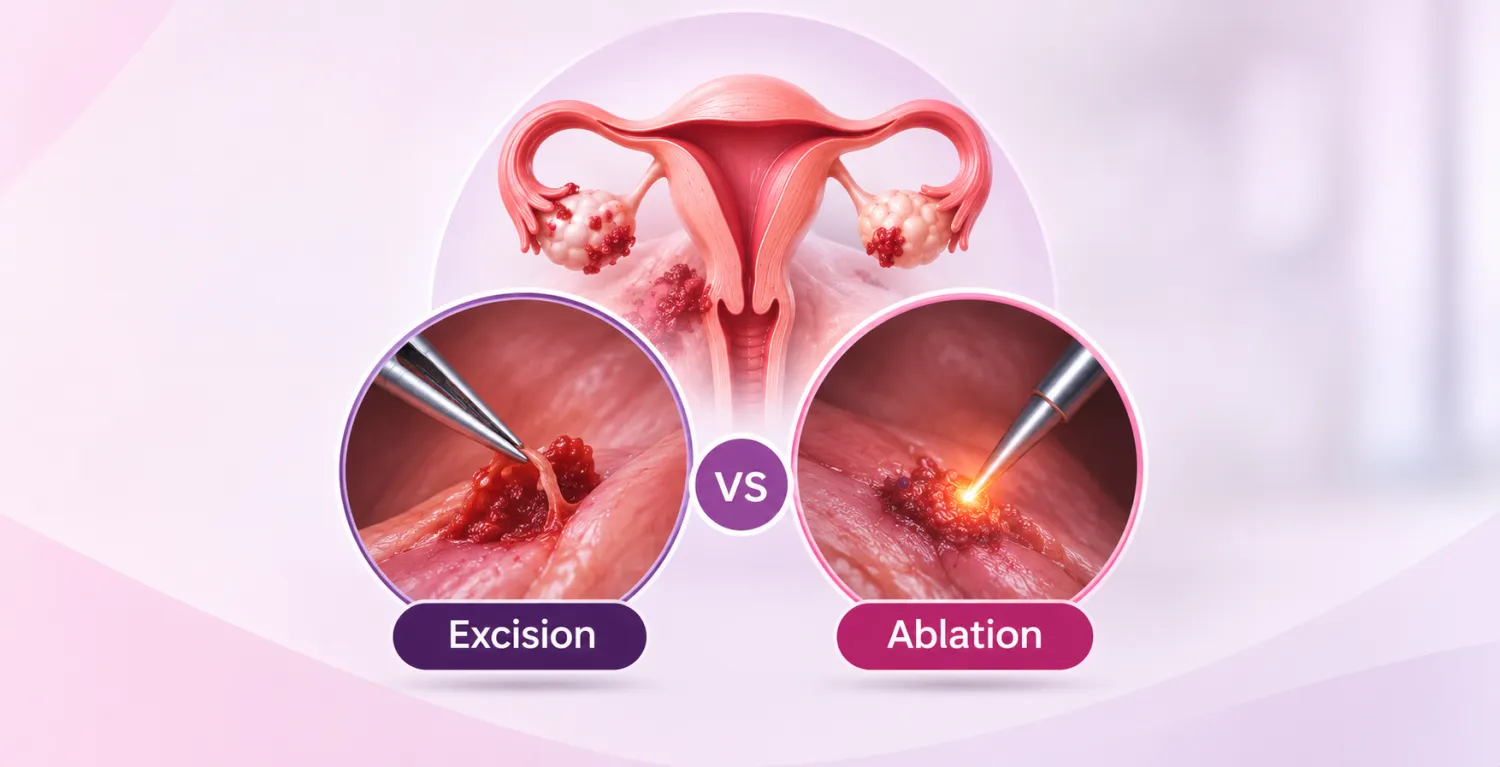
Laparoscopic excision surgery
Laparoscopy allows direct assessment of pelvic anatomy and surgical treatment of selected lesions.
Excision may be considered for deep disease or symptomatic lesions, depending on their location and surgical risk.
Robotic-assisted surgery
Robotic-assisted laparoscopy provides articulated instruments and magnified three-dimensional visualisation. These features may assist certain complex pelvic procedures.
However, robotic surgery has not been established as superior to expert conventional laparoscopy for all endometriosis patients. Surgical expertise and careful patient selection remain fundamental.
Can Advanced Endometriosis Be Treated Without Surgery?
Yes. Not every woman with advanced disease requires an operation.
Some patients achieve meaningful symptom control through medical therapy and supportive care. Surgery is generally considered when there is a clear clinical reason, such as persistent symptoms despite appropriate treatment, specific organ complications or carefully evaluated reproductive concerns.
Treatment should focus on the patient’s overall health rather than imaging findings alone.
Endometriosis Surgery and Fertility Preservation
Fertility planning is an important consideration in advanced endometriosis.
Ovarian endometriomas, pelvic adhesions and inflammatory changes may influence reproductive function. At the same time, ovarian surgery can sometimes reduce ovarian reserve.
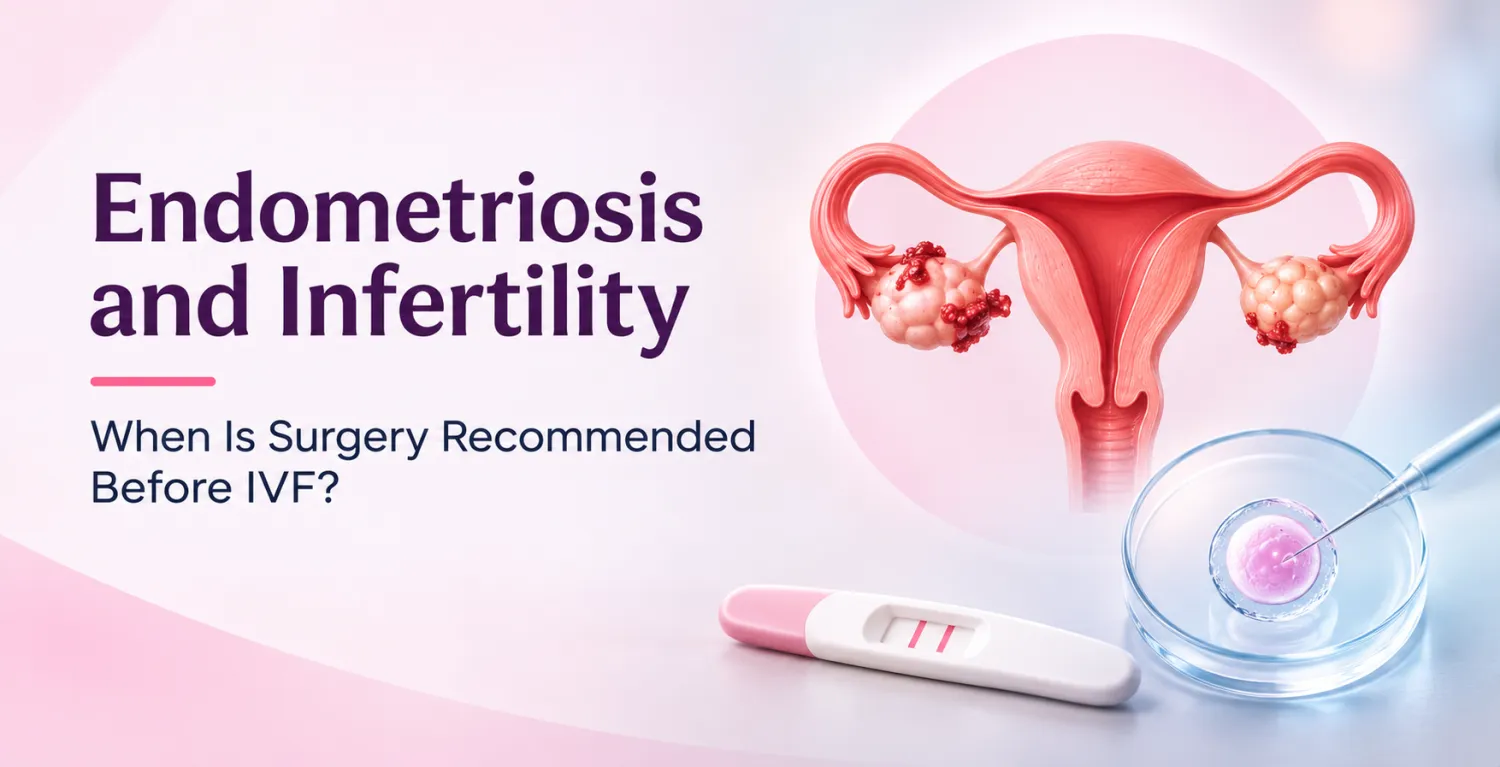
Before recommending surgery, specialists may consider age, ovarian reserve testing, fertility history, disease extent and the potential role of IVF.
Surgery before IVF is not routinely required for every patient with endometriosis.
Choosing an Endometriosis Specialist in India
Patients should consider a specialist’s experience in complex endometriosis, approach to fertility preservation, access to appropriate imaging and availability of multidisciplinary support.
A good consultation should include an explanation of diagnosis, treatment alternatives, expected benefits, surgical risks and long-term follow-up.
Dr. Usha M. Kumar provides gynecological surgical consultation in Delhi, including evaluation of complex endometriosis and minimally invasive treatment options.
Frequently Asked Questions
Who needs advanced endometriosis surgery?
Surgery may be appropriate for selected patients with persistent symptoms, significant organ involvement or other specific clinical indications. It is not necessary for everyone with endometriosis.
Is robotic surgery better for severe endometriosis?
Robotic surgery offers certain technical advantages, but available evidence does not demonstrate superior outcomes for every patient compared with conventional laparoscopy.
Can endometriosis return after surgery?
Yes. Symptoms or lesions may recur, and some patients experience persistent pain even after technically successful surgery.
Can women with advanced endometriosis become pregnant?
Many can. Fertility outcomes depend on age, ovarian reserve, anatomical factors and other reproductive considerations.
Conclusion
Advanced endometriosis requires accurate diagnosis, thoughtful treatment planning and careful consideration of long-term health.
For women seeking an endometriosis expert in India, choosing a specialist experienced in complex gynecological assessment can help clarify the available options.
Consult Dr. Usha M. Kumar in Delhi to discuss individualised evaluation and treatment for advanced endometriosis.