




Posted By: Dr. Usha M Kumar on 15 Nov 2026
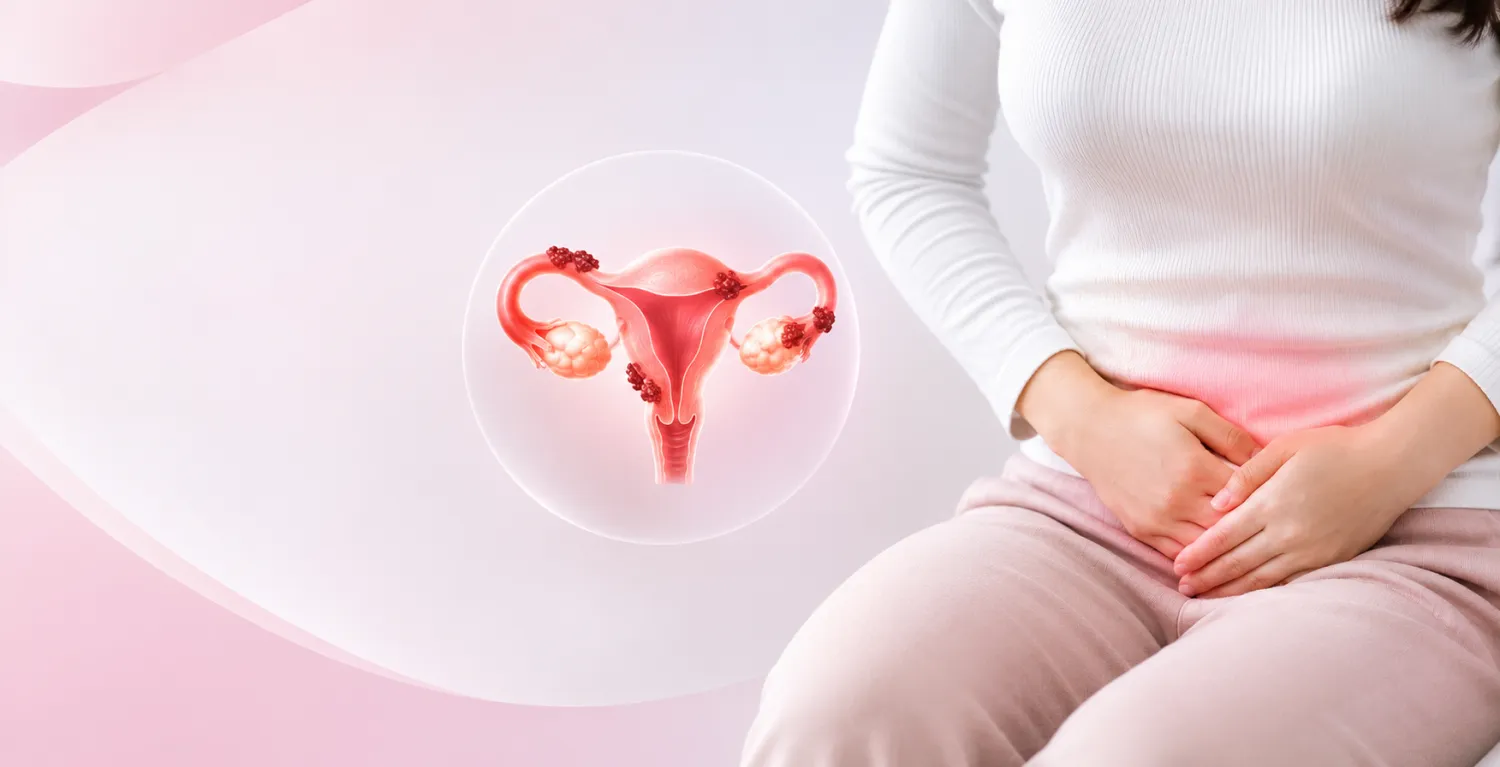
Deep infiltrating endometriosis (DIE), also called deep endometriosis, is one of the more complex forms of endometriosis. Unlike superficial lesions found on the surface of pelvic tissues, deep endometriosis extends beneath the peritoneum and may affect ligaments, bowel, bladder, ureters and structures surrounding the reproductive organs.
For some women, the condition causes severe menstrual pain. Others experience bowel disturbances, painful intercourse, urinary symptoms or chronic pelvic discomfort that continues throughout the month.
Because deep endometriosis can involve multiple organs, diagnosis and treatment often require specialised imaging, advanced pelvic surgical expertise and, in selected cases, multidisciplinary care.
Women searching for a deep infiltrating endometriosis specialist in India should understand that successful management begins with identifying the precise location of disease and determining whether surgery is necessary.
What Makes Deep Infiltrating Endometriosis Different?
Deep endometriosis involves lesions extending into tissues beneath the peritoneal surface. It has traditionally been defined by infiltration greater than 5 mm, although modern clinical assessment focuses increasingly on the anatomical structures involved.
Common locations include:
- Uterosacral ligaments
- Rectovaginal septum
- Posterior vaginal fornix
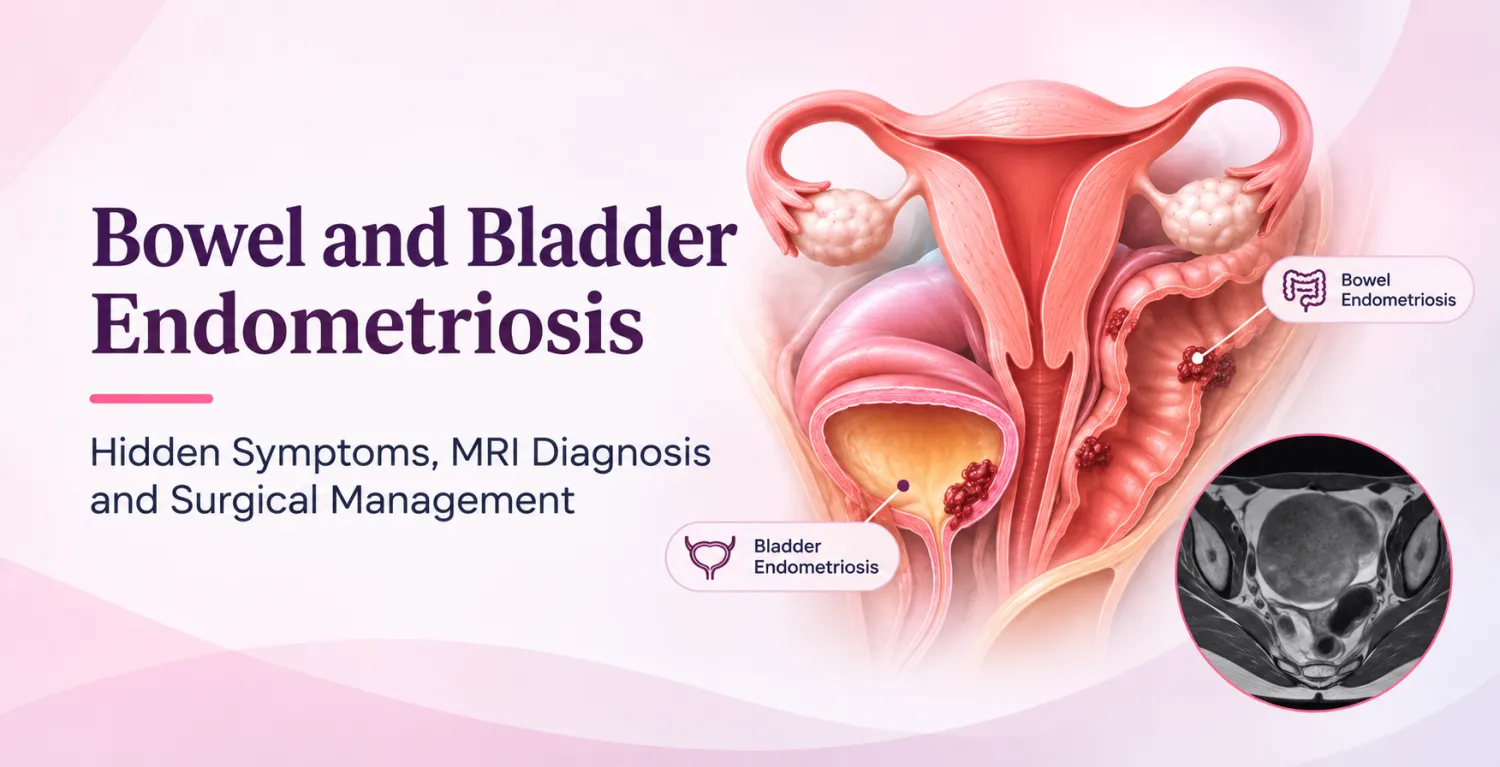
- Rectum and sigmoid colon
- Bladder
- Ureters
- Other pelvic connective tissues
These lesions may produce inflammation and fibrosis, resulting in thickened tissues, adhesions and distortion of pelvic anatomy.
In some patients, the ovaries, uterus, bowel and surrounding structures become closely adherent. This may contribute to a condition sometimes described as a frozen pelvis.
Importantly, deep endometriosis does not always cause severe pain. The relationship between disease extent and symptoms is complex.
Symptoms of Deep Infiltrating Endometriosis
Symptoms depend partly on the location of lesions.
Severe menstrual and pelvic pain
Women may experience progressive dysmenorrhea, deep pelvic pain or discomfort that continues beyond menstruation.
Pain during sexual intercourse
Deep dyspareunia may occur when endometriosis affects the uterosacral ligaments, posterior vaginal tissues or surrounding pelvic structures.
Bowel-related symptoms
Rectal or bowel involvement may produce painful bowel movements, constipation, diarrhoea, bloating or cyclical rectal bleeding.
These symptoms may resemble irritable bowel syndrome, making diagnosis more challenging.
Bladder and urinary symptoms
Bladder endometriosis may cause urinary frequency, painful urination or cyclical blood in the urine.
Ureteric involvement can occasionally obstruct urine drainage and affect kidney function, sometimes without prominent urinary symptoms.
Fertility concerns
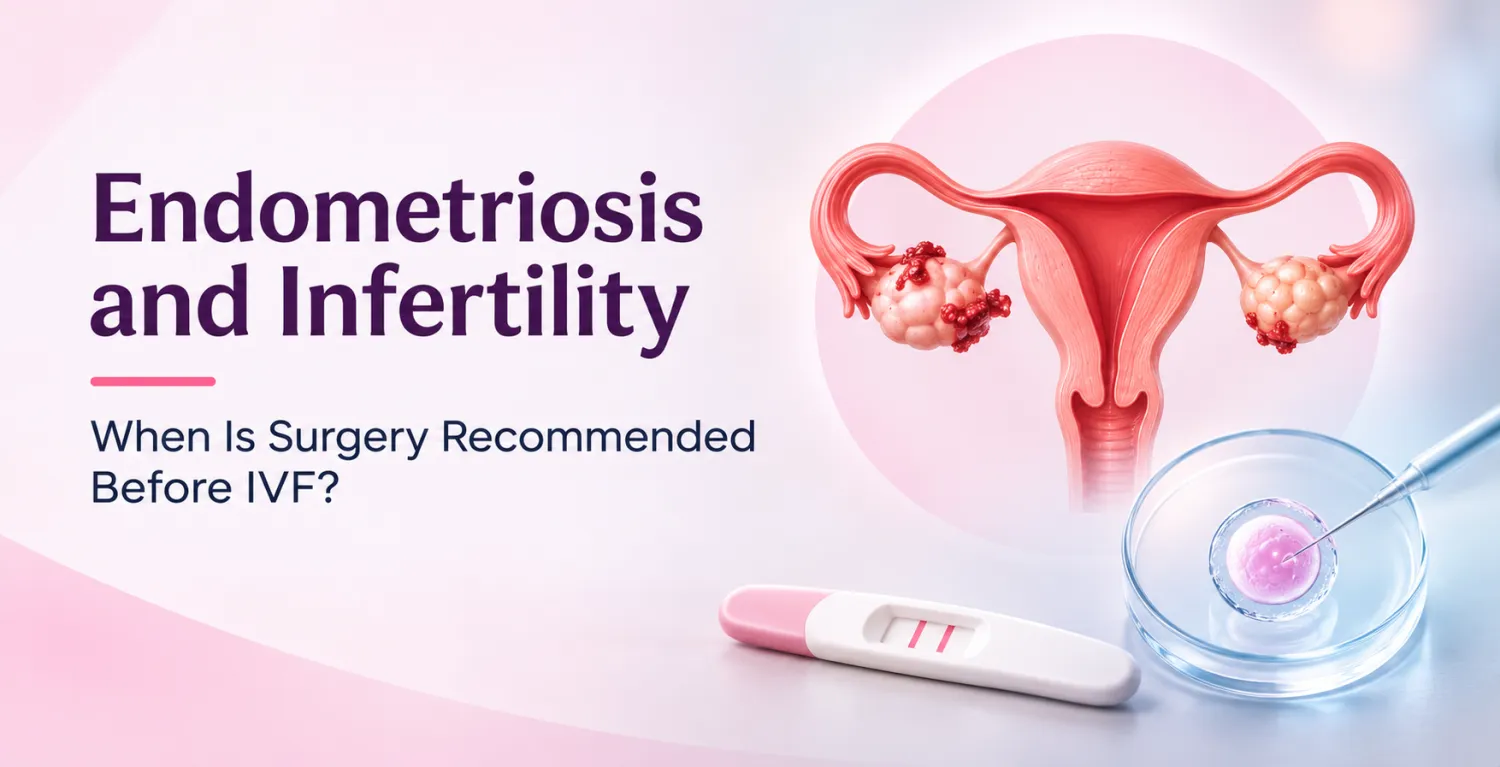
Deep endometriosis may coexist with ovarian endometriomas, adhesions and other factors affecting fertility.
However, deep endometriosis does not automatically mean that pregnancy is impossible.
Why Diagnosis Is Often Delayed
Deep endometriosis may initially be mistaken for gastrointestinal, urinary or musculoskeletal disorders.
Some women undergo repeated consultations before the underlying gynecological condition is recognised.
Diagnosis can also be complicated by the fact that routine pelvic ultrasound may not adequately assess deep pelvic compartments unless performed using a systematic endometriosis-focused approach.
A detailed clinical history is therefore essential.
Advanced Diagnosis of Deep Endometriosis
Specialist transvaginal ultrasound
An expert ultrasound examination may identify deep nodules, ovarian endometriomas, reduced organ mobility and other findings suggestive of pelvic adhesions.
Assessment of the posterior compartment and the sliding sign can help identify anatomical abnormalities.
Pelvic MRI
MRI is useful in selected patients for mapping complex deep endometriosis, particularly when bowel, bladder or ureter involvement is suspected.
It can help surgeons anticipate anatomical challenges and determine whether additional specialist support may be necessary.
Renal and urinary tract assessment
When ureteric involvement is suspected, evaluation of the urinary tract and kidney function may be required.
Laparoscopy
Laparoscopy may be considered when surgical treatment is indicated or when diagnostic uncertainty remains despite appropriate evaluation.
Not every patient requires laparoscopy to establish a working diagnosis or begin treatment.
Surgical Treatment of Deep Infiltrating Endometriosis
Surgery for deep endometriosis may be technically demanding because lesions can extend close to nerves, blood vessels and important pelvic organs.
The surgical approach depends on lesion location, symptoms, previous operations and reproductive goals.
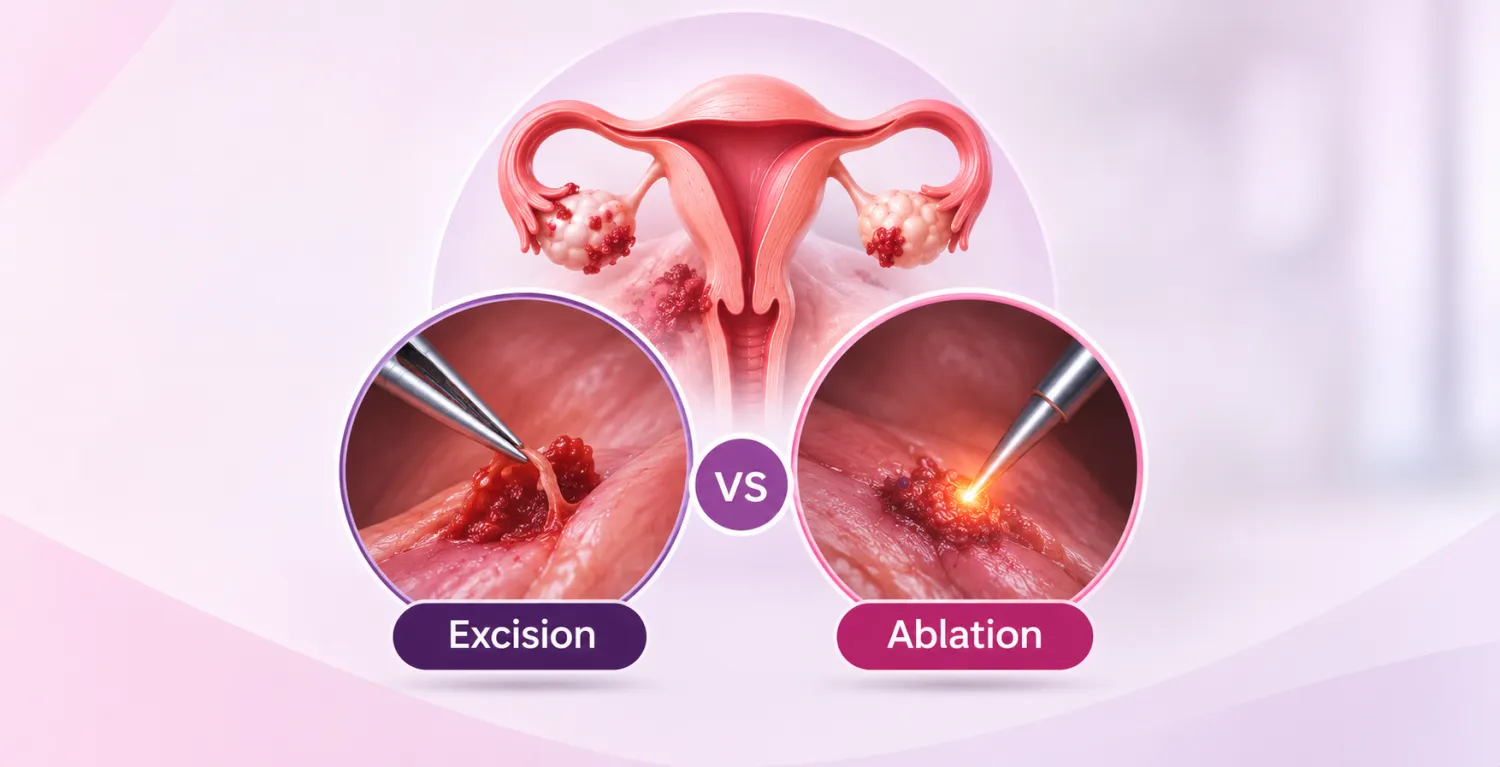
Excision of deep lesions
Excision involves removing endometriotic tissue while attempting to preserve surrounding healthy structures.
The extent of removal must be balanced against the risk of organ or nerve injury.
Adhesiolysis
Adhesiolysis involves carefully separating tissues that have become abnormally attached.
Restoring anatomy may be important, but adhesiolysis itself carries risks, particularly after previous surgery.
Bowel endometriosis surgery
Selected patients may require bowel shaving, discoid excision or segmental bowel resection.
The choice depends on lesion size, depth, location, degree of narrowing and other clinical factors.
Bladder and ureteric surgery
Deep disease involving the urinary tract may require specialised surgical techniques and coordination with a urologist.
Robotic-assisted surgery
Robotic systems provide three-dimensional visualisation and articulated instruments that may assist complex dissection.
However, the selection of robotic or conventional laparoscopic surgery should depend on the patient’s clinical needs, surgeon expertise and available resources.
Is Surgery Always Necessary for DIE?
No. Deep endometriosis does not automatically require surgery.
Hormonal suppression may provide symptom relief for many patients.
Surgery is considered more strongly when symptoms remain difficult to control, organ function is threatened or a carefully assessed clinical indication exists.
Patients with bowel or urinary tract involvement should receive appropriate specialist evaluation because some complications require timely intervention.
Deep Endometriosis and Fertility Preservation
Treatment planning should account for pregnancy intentions.
Surgical removal of deep lesions does not guarantee improved fertility, and surgery before assisted reproduction is not routinely necessary for all patients.
The potential benefits of surgery should be considered alongside operative risks, ovarian reserve and the likelihood of conception through other approaches.
Frequently Asked Questions
Is deep infiltrating endometriosis dangerous?
It is not cancer, but it can cause significant pain and, in some cases, complications involving the bowel or urinary tract.
Can MRI detect deep endometriosis?
MRI can identify many forms of deep endometriosis, particularly when performed and interpreted using an appropriate pelvic endometriosis protocol. A negative MRI does not exclude all disease.
Can DIE be treated without removing the uterus?
Yes. Many treatment approaches preserve the uterus. Hysterectomy is not routinely required for deep endometriosis.
Can deep endometriosis come back after surgery?
Yes. Symptoms or disease may recur. Long-term follow-up and appropriate postoperative management are important.
Who should perform complex deep endometriosis surgery?
Surgery should be undertaken by appropriately trained specialists with access to multidisciplinary support when bowel, urinary tract or other complex organ involvement is present.
Conclusion
Deep infiltrating endometriosis requires detailed anatomical assessment and individualised management.
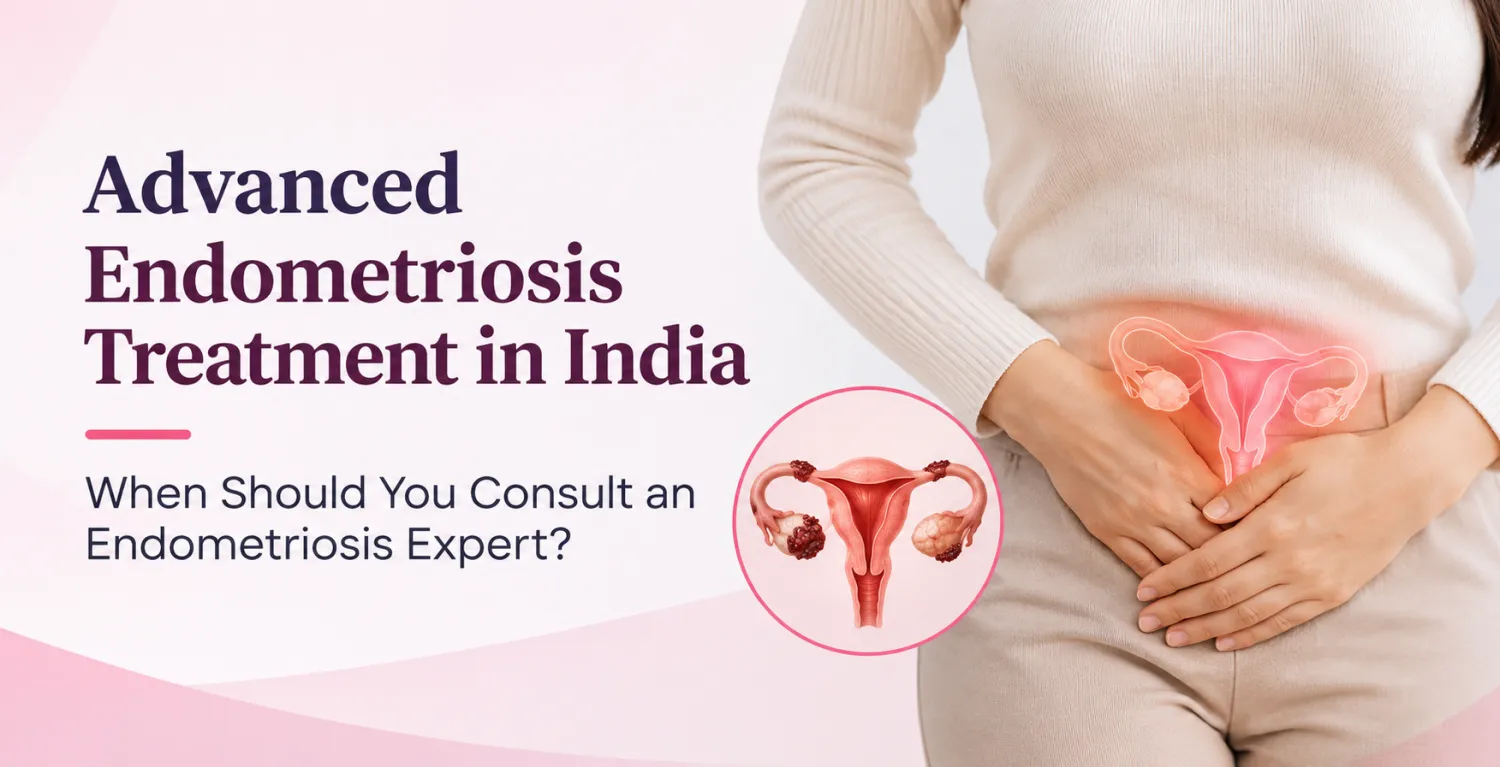
For women experiencing persistent pelvic pain, bowel symptoms, urinary problems or suspected deep lesions, specialist consultation can help establish an appropriate treatment plan.