




Posted By: Dr. Usha M Kumar on 15 Nov 2026
When endometriosis requires surgical treatment, one of the most important decisions concerns how the lesions will be treated.
Two techniques commonly discussed are excision and ablation.
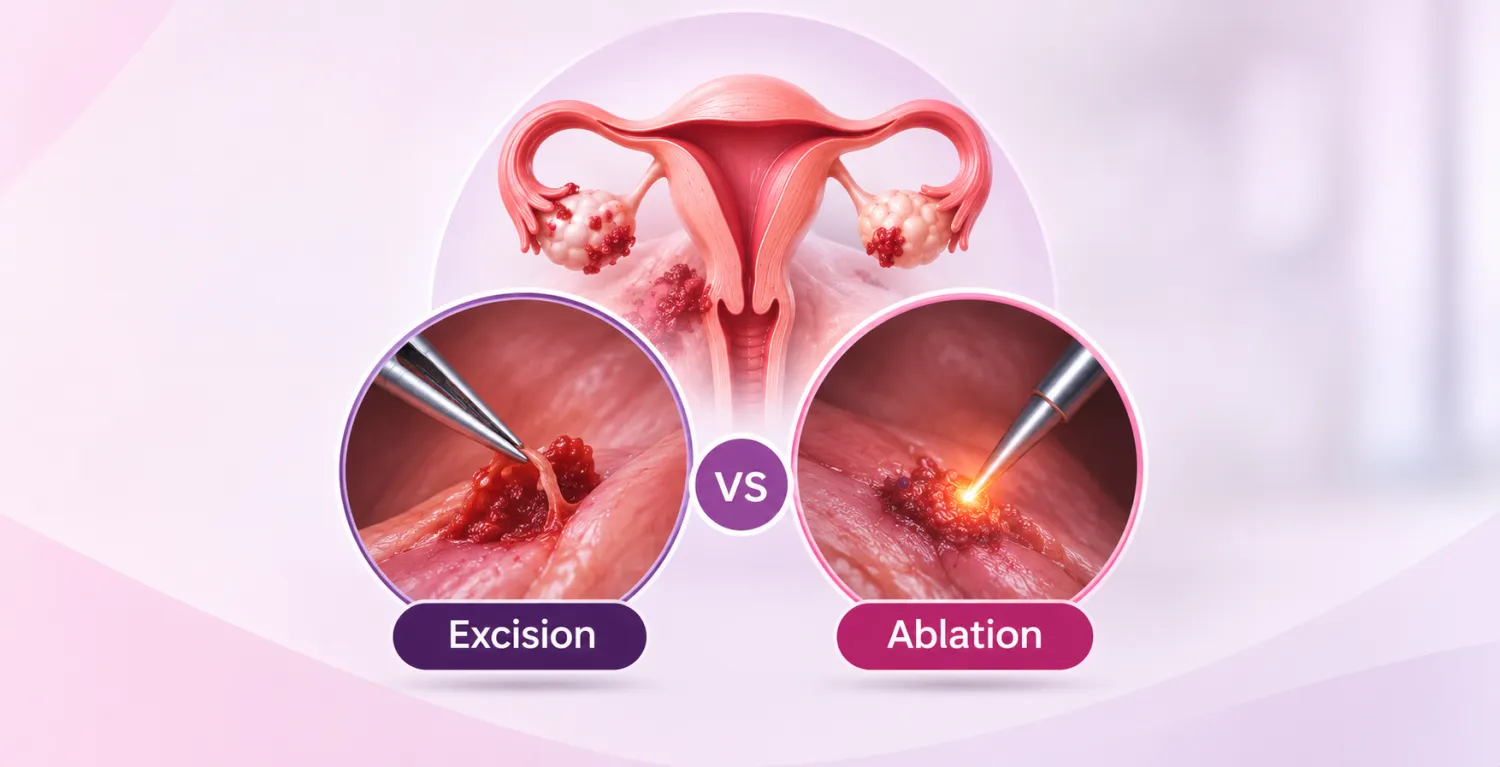
Although both are used during minimally invasive endometriosis surgery, they work differently. Excision involves removing affected tissue, while ablation destroys lesions using an energy-based technique.
Patients researching endometriosis excision surgery in India often want to know which approach provides better pain relief, whether lesions are more likely to return, and how surgery may affect future fertility.
The answers depend on the type and location of endometriosis, the surgeon’s experience and the patient’s individual circumstances.
What Is Endometriosis Excision Surgery?
Excision surgery involves identifying and surgically removing endometriotic lesions.
The technique may involve cutting around a lesion and separating it from surrounding tissue.
Depending on the location and depth of disease, excision can range from removing superficial peritoneal lesions to complex dissection involving deep pelvic structures.
A potential advantage is that excised tissue may be submitted for histopathological examination.
However, excision is not risk-free. Removing lesions near nerves, blood vessels, the bowel or urinary tract requires careful assessment and technical expertise.
What Is Endometriosis Ablation?
Ablation involves destroying visible endometriosis lesions using techniques such as electrosurgery or laser energy.
Instead of removing the lesion as a specimen, the surgeon applies energy to treat the affected tissue.
Ablation may be appropriate for selected superficial lesions, depending on their characteristics and location.
Its limitations include difficulty assessing the full depth of some lesions and the absence of tissue for histological examination when no biopsy is taken.
Ablation is generally less suitable as the sole approach for deeply infiltrating lesions extending into surrounding organs.
Excision vs Ablation: Key Differences
|
Factor |
Excision |
Ablation |
|
Technique |
Removes affected tissue |
Destroys tissue using energy |
|
Histopathology |
Tissue may be examined |
Usually unavailable unless separately biopsied |
|
Deep lesions |
Often relevant in specialist surgery |
Limited role for deep disease |
|
Superficial lesions |
May be used |
May be used |
|
Surgical complexity |
Varies; can be substantial |
Varies by site and technique |
|
Recurrence |
Still possible |
Still possible |
|
Fertility outcomes |
Depend on clinical circumstances |
Depend on clinical circumstances |
Neither technique guarantees permanent symptom relief.
Does Excision Provide Better Long-Term Pain Relief?
The evidence is more nuanced than many promotional claims suggest.
For superficial peritoneal endometriosis, studies comparing excision and ablation have produced mixed results, and high-quality evidence has not established that excision is universally superior for every patient.
For certain deep lesions, excision is often part of specialist surgical management because the disease extends beneath the tissue surface.
Long-term pain outcomes are influenced by several factors, including:
- The extent and location of disease
- Whether significant lesions remain
- Coexisting adenomyosis
- Pelvic floor dysfunction
- Neuropathic or centrally sensitised pain
- Postoperative hormonal management
- Previous surgery and adhesions
Even complete removal of visible endometriosis cannot guarantee that pain will resolve.
What About Endometriosis Recurrence?
Recurrence is one of the major concerns following endometriosis surgery.
It is important to distinguish between three situations.
Persistent symptoms: Pain continues after surgery, potentially because of residual disease or other pain-generating conditions.
Recurrent symptoms: Pain improves initially but returns later.
Confirmed disease recurrence: New or recurrent lesions are identified through appropriate evaluation.
These outcomes are not interchangeable.
Recurrence rates reported in research vary because studies use different definitions, patient populations, follow-up periods and surgical techniques.
For women not immediately planning pregnancy, postoperative hormonal treatment may help reduce symptom recurrence and the risk of certain recurrent lesions.
Excision Surgery for Ovarian Endometriomas
Ovarian endometriomas require particular caution.
Cystectomy, which involves removing the cyst wall, may reduce recurrence and pain compared with some drainage or coagulation techniques.
However, cystectomy can also remove or damage healthy ovarian tissue and reduce ovarian reserve.
This is especially relevant in women with bilateral endometriomas, previous ovarian surgery or reduced ovarian reserve.
The choice of surgical technique should consider fertility plans, cyst characteristics and the potential risks of ovarian damage.
Excision Surgery for Deep Endometriosis
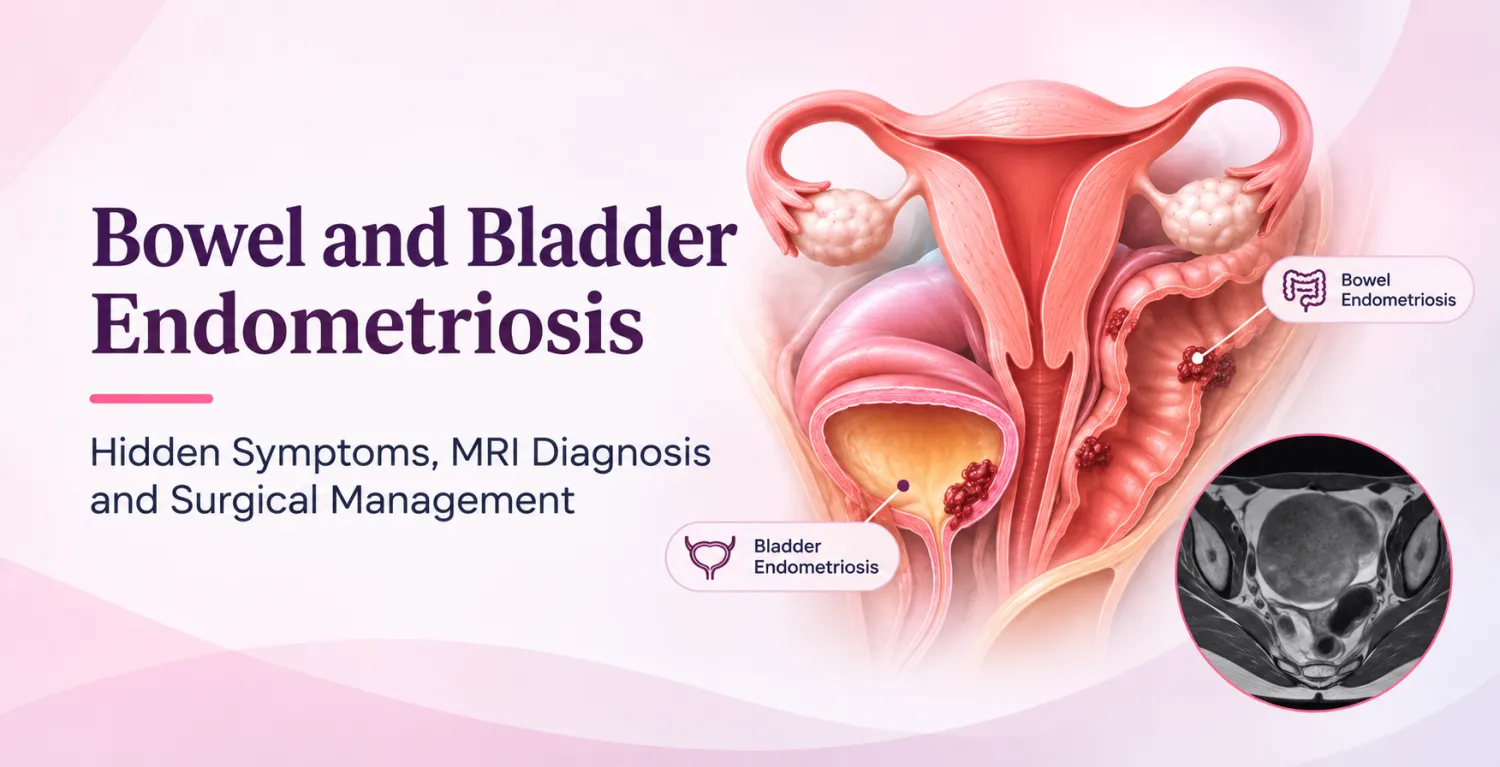
Deep endometriosis may involve the bowel, bladder, ureters or pelvic nerves.
In such cases, surgery may require advanced dissection and careful consideration of organ function.
The aim is to achieve appropriate treatment while avoiding unnecessary injury.
Depending on anatomical involvement, a multidisciplinary team may be required.
Not every deep lesion should be removed aggressively if the expected harm outweighs the likely benefit.
Does Excision Improve Fertility?
Surgery may improve the chances of spontaneous conception in selected patients with endometriosis.
However, the effect varies according to disease stage, age, ovarian reserve, tubal function and other infertility factors.
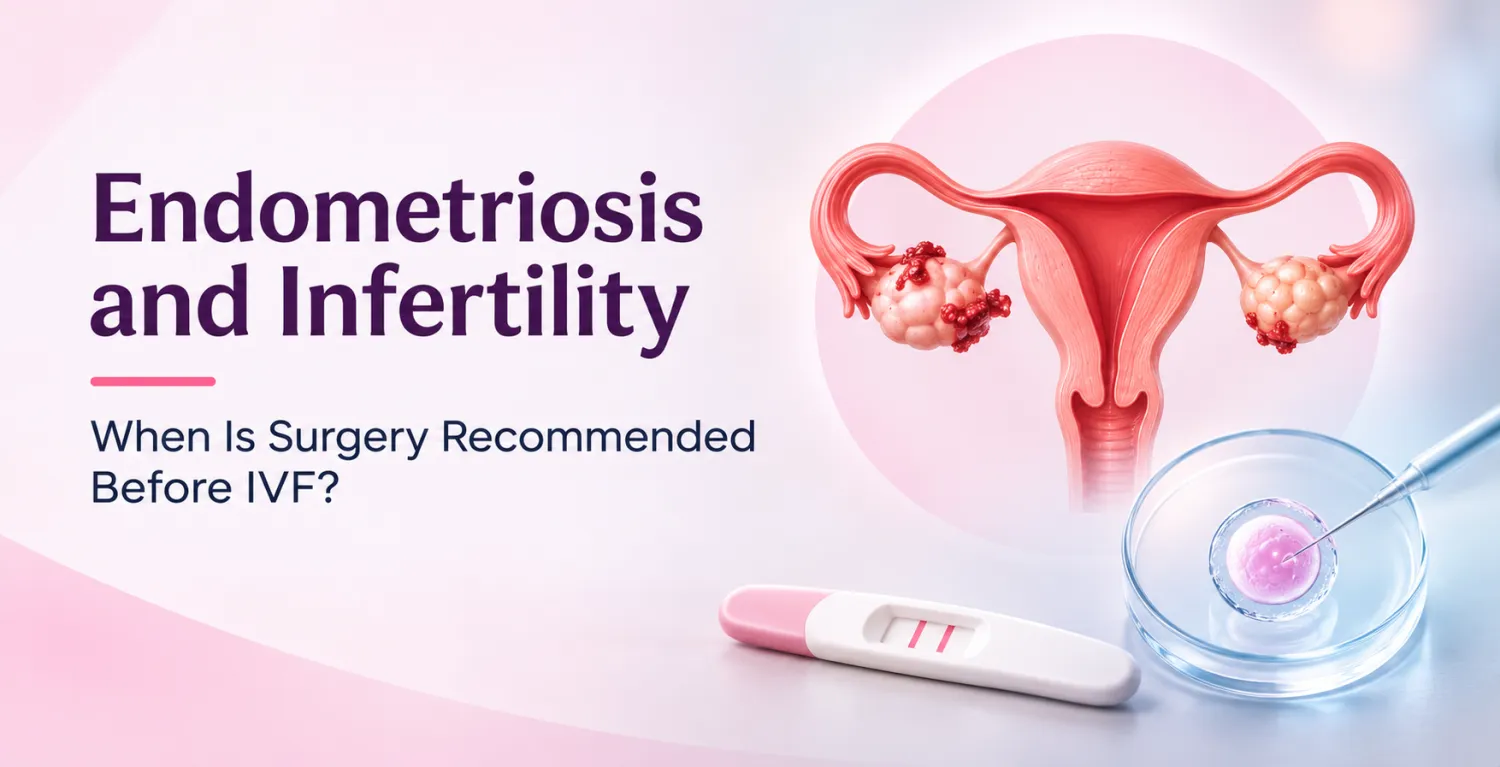
Surgery before IVF should not be performed routinely solely to improve reproductive outcomes.
In particular, ovarian surgery may reduce the number of eggs available for assisted reproduction.
Individualised fertility counselling is therefore essential.
Recovery After Endometriosis Excision Surgery
Recovery depends on the extent of the procedure.
A relatively limited laparoscopic operation may involve a shorter recovery than extensive surgery involving bowel or urinary tract reconstruction.
Patients may experience temporary abdominal discomfort, fatigue, bloating and changes in bowel function.
More complex procedures may require longer hospitalisation and follow-up.
The surgical team should explain anticipated recovery, activity restrictions, possible complications and warning symptoms before discharge.
Questions to Ask Before Choosing Surgery
Patients considering excision or ablation should ask their surgeon:
- What type of endometriosis is suspected?
- Which lesions are expected to require treatment?
- Why is excision or ablation being recommended?
- What are the risks to surrounding organs?
- How might the operation affect fertility or ovarian reserve?
- What is the plan if deep disease is found?
- What postoperative treatment may be recommended?
A clear explanation of the surgical strategy is more valuable than assuming that one technique is always superior.
Frequently Asked Questions
Is excision surgery a permanent cure for endometriosis?
No. Endometriosis can recur, and pain may persist even after visible lesions have been removed.
Is excision better than ablation?
Excision may be particularly relevant for deep lesions, but evidence does not establish universal superiority for all superficial disease.
Can excision surgery damage the ovaries?
Yes. Ovarian surgery, especially endometrioma cystectomy, can affect ovarian reserve.
Is robotic excision more effective than laparoscopic excision?
Robotic surgery offers technical features, but it has not been proven superior for all patients or outcomes.
Can endometriosis be treated without surgery?
Yes. Hormonal treatment and multidisciplinary pain management are appropriate options for many women.
Conclusion
Endometriosis excision and ablation are different surgical techniques, each with potential roles and limitations.
The most appropriate approach depends on disease anatomy, symptom burden, reproductive goals and surgical risk.
Women considering endometriosis excision surgery in India can seek specialist assessment to understand whether surgery is indicated and which technique may be appropriate.
Dr. Usha M. Kumar provides consultation for complex gynecological conditions and minimally invasive surgical treatment planning in Delhi.