




Posted By: Dr. Usha M Kumar on 15 Nov 2026
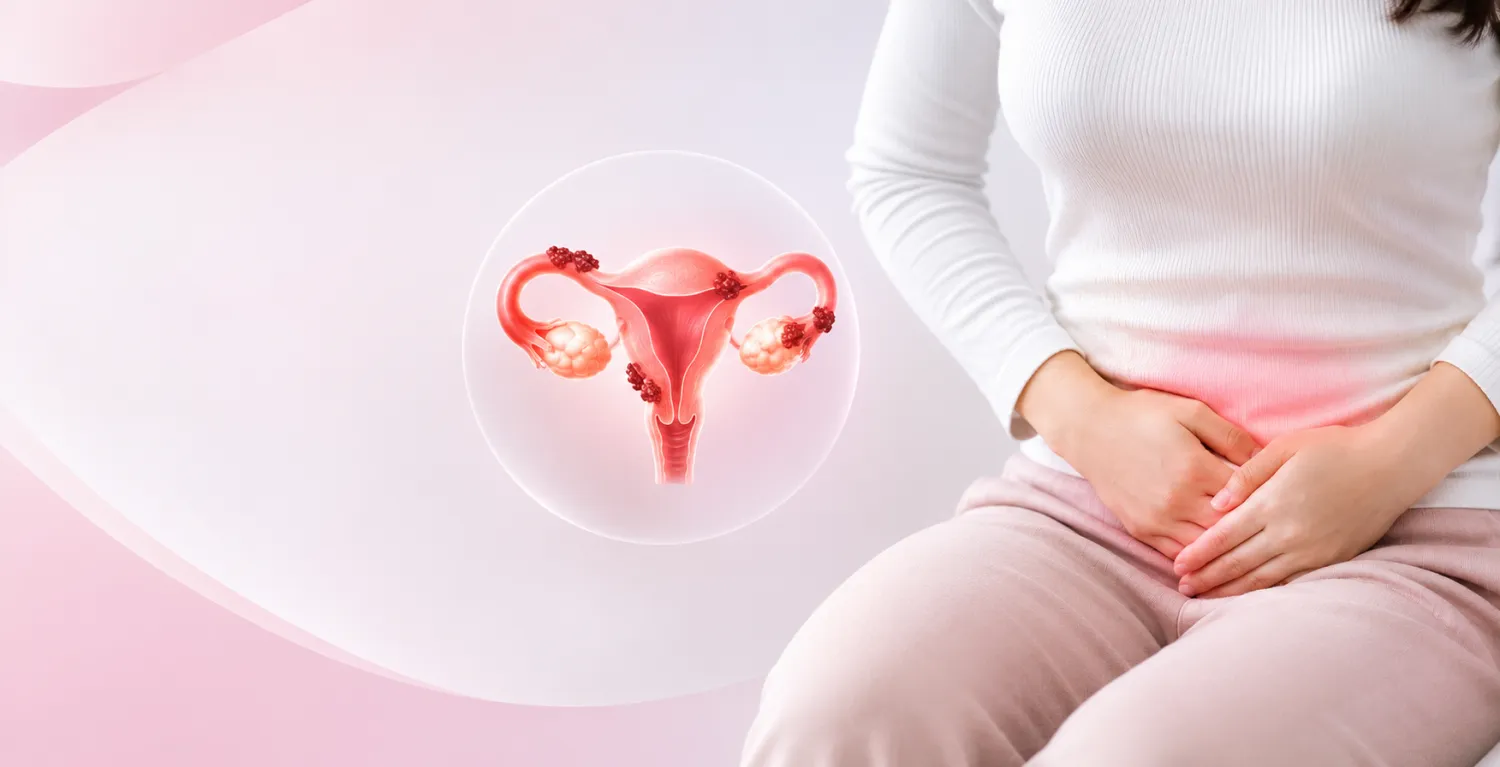
Endometriosis is a recognised contributor to infertility, but its relationship with reproductive health is complex.
Some women with endometriosis conceive naturally without difficulty, while others experience delayed conception despite having relatively mild symptoms.
For patients considering IVF, an important question frequently arises: should endometriosis be surgically treated before fertility treatment begins?
The answer is not the same for everyone.
Although surgery may benefit selected patients, operating unnecessarily—particularly on the ovaries—can sometimes reduce reproductive potential.
Women seeking an endometriosis fertility specialist in India should therefore receive an individualised assessment that considers both gynecological disease and reproductive factors.
How Does Endometriosis Affect Fertility?
Endometriosis may influence fertility through several mechanisms.
Pelvic inflammation
Endometriosis is associated with inflammatory changes in the pelvic environment.
These changes may affect reproductive processes, although the precise relationship between inflammation and infertility varies between patients.
Adhesions and anatomical distortion
Adhesions can alter the normal relationship between the ovaries, fallopian tubes and surrounding structures.
This may interfere with egg pickup and transport.
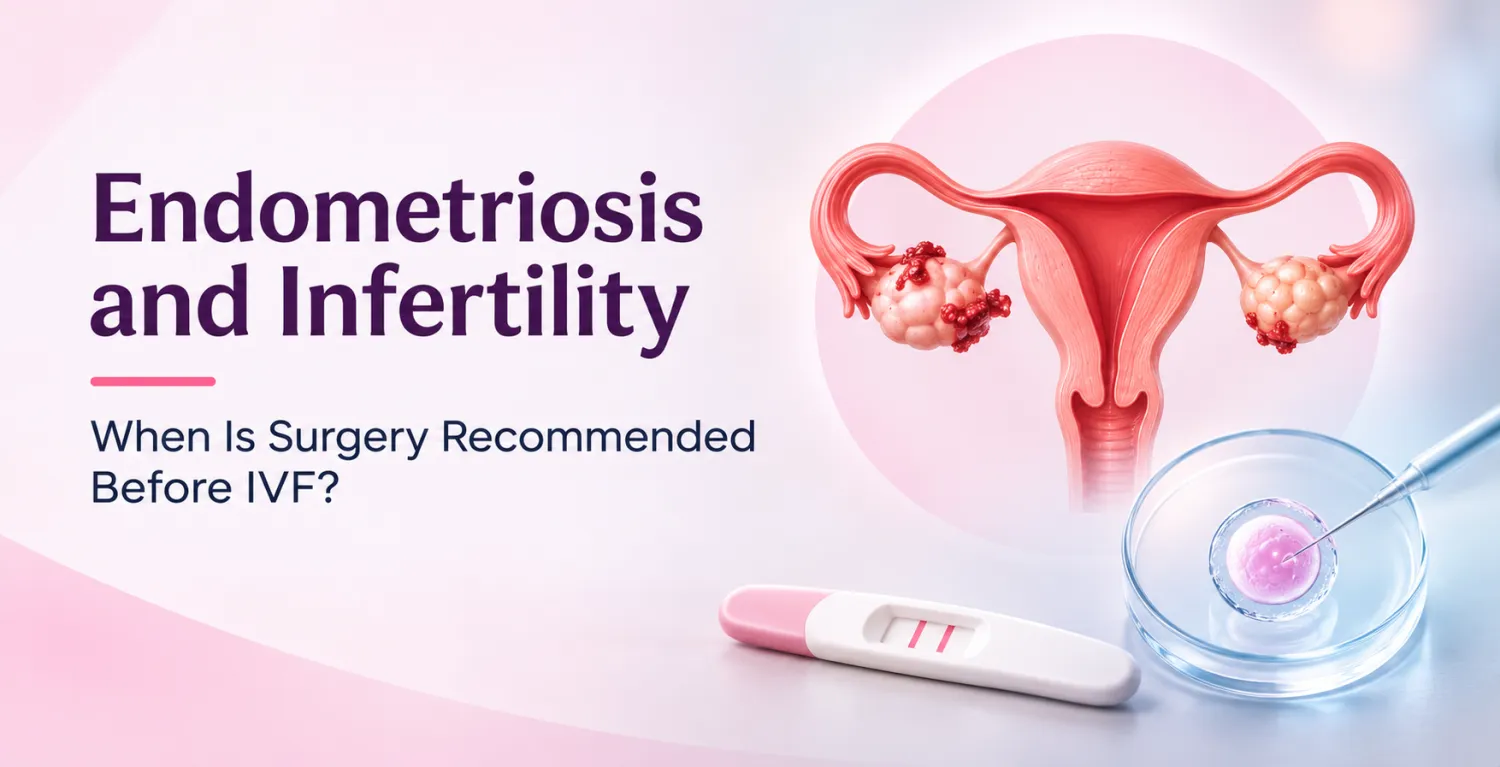
Ovarian endometriomas
Endometriomas are cysts associated with endometriosis that develop within the ovaries.
They may coexist with changes in ovarian reserve or ovarian function.
Tubal involvement
Endometriosis-related adhesions can affect tubal mobility or function.
Other fertility factors
Age, ovulation, sperm parameters, uterine conditions and other reproductive factors may also contribute.
Infertility should not automatically be attributed entirely to endometriosis.
Does the Stage of Endometriosis Predict Fertility?
Not reliably.
Advanced endometriosis may be associated with substantial anatomical distortion, but some women with severe disease conceive spontaneously.
Conversely, infertility can occur in women with limited visible endometriosis.
The stage of disease is only one part of reproductive assessment.
What Is Ovarian Reserve and Why Does It Matter?
Ovarian reserve refers to the quantity of remaining ovarian follicles and is commonly assessed using tests such as anti-Müllerian hormone (AMH) and antral follicle count (AFC).
These tests help estimate the likely ovarian response to stimulation.
They do not independently determine whether a woman can conceive naturally.
Ovarian reserve is particularly relevant in endometriosis because ovarian cysts and surgery may affect ovarian tissue.
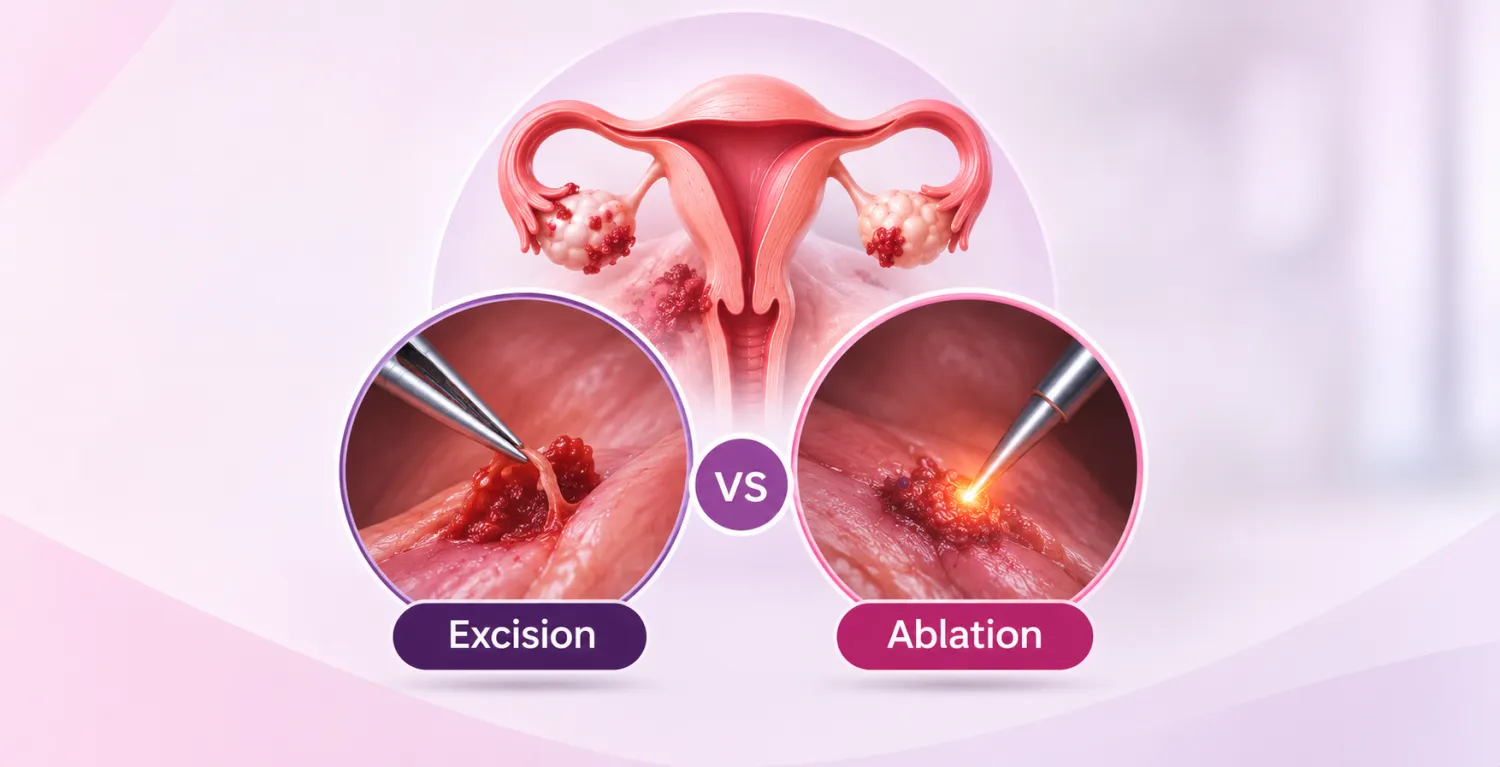
Should Endometriosis Be Removed Before IVF?
Not routinely.
The decision depends on the patient’s symptoms, age, ovarian reserve, previous operations and the location of disease.
For women with ovarian endometriomas, routine surgery before assisted reproductive treatment is generally not recommended solely to improve live birth outcomes.
Surgery can reduce ovarian reserve, especially when ovarian tissue is removed or damaged during cystectomy.
However, surgery may be appropriate in selected circumstances.
When Might Surgery Be Considered Before IVF?
Significant pain
Women with severe symptoms may benefit from surgical assessment when medical management is inadequate or unsuitable.
Suspicious ovarian findings
An ovarian cyst with concerning imaging features may require further evaluation and potentially surgical management.
Difficulty accessing ovarian follicles
In some cases, an endometrioma may interfere with safe access to follicles during egg retrieval.
Complex organ involvement
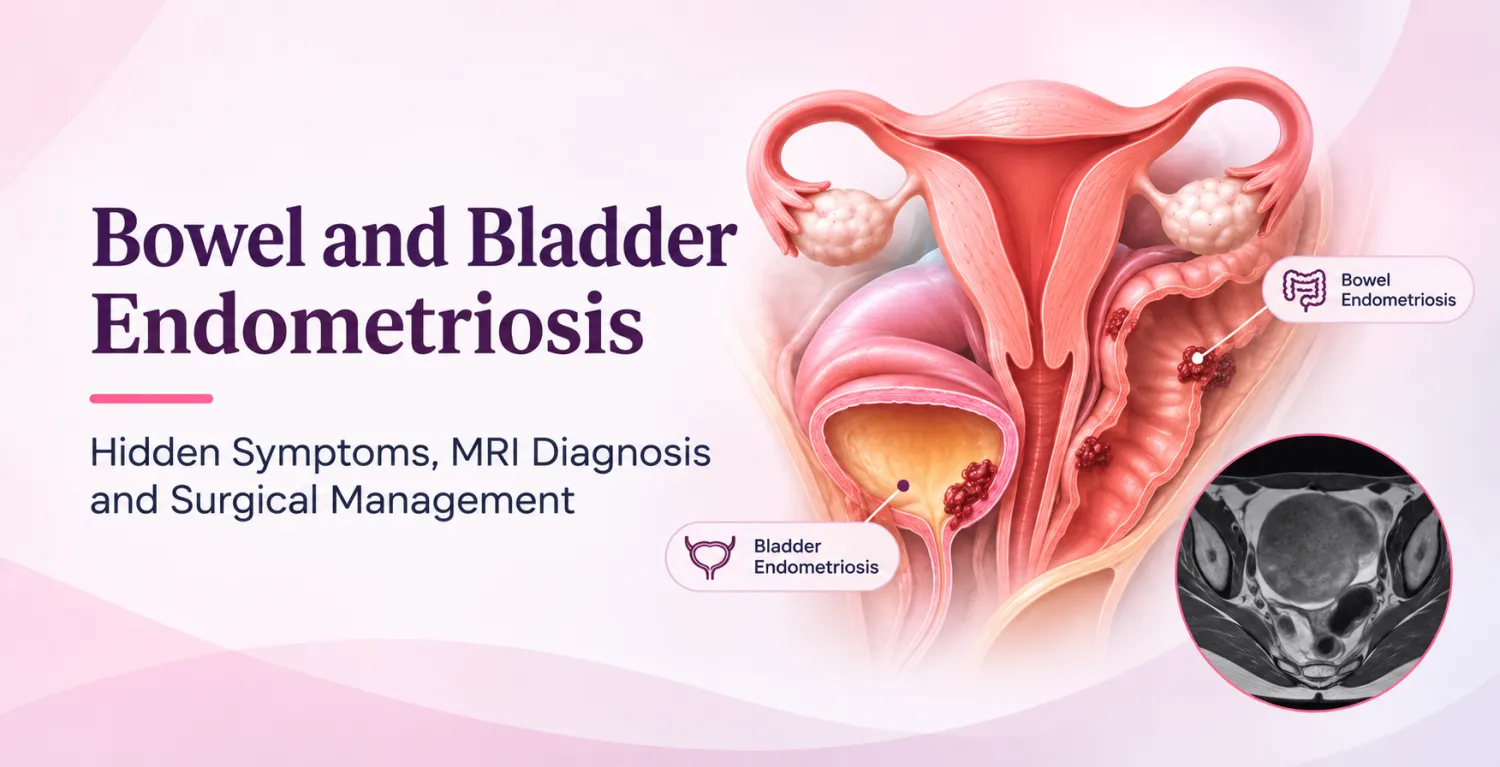
Deep endometriosis affecting bowel or urinary tract function may require treatment independently of fertility considerations.
Selected patients seeking spontaneous conception
Surgery may be considered in particular circumstances where improving pelvic anatomy could support natural conception.
The decision should be based on individualised counselling rather than a universal recommendation.
Endometrioma Surgery and the Risk to Ovarian Reserve
Endometrioma surgery requires careful technique because healthy ovarian tissue may be closely associated with the cyst wall.
Removing a cyst can sometimes reduce ovarian reserve.
The risk may be greater with bilateral endometriomas or repeated ovarian operations.
For women planning IVF, this potential reduction in ovarian response must be weighed against the expected benefit of surgery.
Fertility preservation discussions may be appropriate in selected patients, particularly those facing repeated or extensive ovarian surgery.
Does Deep Endometriosis Surgery Improve IVF Success?
Evidence does not establish that routine excision of deep endometriosis before IVF improves reproductive outcomes for every patient.
Surgical decisions should therefore be influenced by pain, organ involvement, patient preferences and overall clinical circumstances rather than an assumption that removing all disease will improve IVF success.
A coordinated approach between an endometriosis surgeon and a fertility specialist can help avoid unnecessary delays or procedures.
Fertility Preservation Options in Endometriosis
Some women may consider egg or embryo freezing, particularly when ovarian surgery or progressive ovarian disease could affect future reproductive options.
However, fertility preservation is not necessary for every patient with endometriosis.
Counselling should cover age, ovarian reserve, expected treatment response, costs, limitations and the fact that freezing eggs or embryos does not guarantee a future live birth.
Can Pregnancy Cure Endometriosis?
No.
Some women experience temporary improvement in symptoms during pregnancy because of hormonal changes, but pregnancy is not a treatment or cure for endometriosis.
Symptoms may return after childbirth.
Women should not be advised to become pregnant solely to manage the condition.
A Personalised Approach to Endometriosis and Infertility
An effective treatment plan considers:
- Age and duration of infertility
- Ovarian reserve
- Previous ovarian surgery
- Presence of endometriomas
- Tubal function
- Partner fertility factors
- Severity of pain
- Deep disease or organ involvement
- Personal reproductive priorities
The objective is to maximise appropriate reproductive opportunities while avoiding unnecessary interventions.
Frequently Asked Questions
Can I get pregnant naturally with endometriosis?
Yes. Many women with endometriosis conceive naturally, although fertility may be reduced in some cases.
Should an endometrioma always be removed before IVF?
No. Routine removal is not recommended solely to improve IVF outcomes.
Can endometriosis surgery reduce AMH levels?
Yes. Ovarian surgery can reduce AMH and ovarian reserve, particularly after endometrioma cystectomy.
Is IVF successful in women with stage 4 endometriosis?
IVF can be an option, but outcomes depend on age, ovarian reserve and other reproductive factors.
Should I consult a fertility specialist or an endometriosis surgeon first?
Women with complex disease may benefit from coordinated evaluation by both specialists, especially when surgery and assisted reproduction are being considered.
Conclusion
Endometriosis-associated infertility requires a careful balance between treating disease and preserving reproductive potential.
Surgery before IVF is appropriate for some women but unnecessary or potentially disadvantageous for others.
For patients seeking an endometriosis fertility specialist in India, a coordinated approach to gynecological and reproductive care is essential.
Dr. Usha M. Kumar provides gynecological surgical consultation in Delhi, including evaluation of endometriosis and discussion of fertility-related surgical considerations.