



Posted By: Dr. Usha M Kumar on 14 Jul 2026
A diagnosis of uterine fibroids often raises an immediate concern: “Will my uterus need to be removed?” The reassuring answer is that hysterectomy is not always necessary. Depending on the size, number and location of the fibroids—as well as the woman’s symptoms, age, health and future pregnancy plans—fibroids may be removed while preserving the uterus.
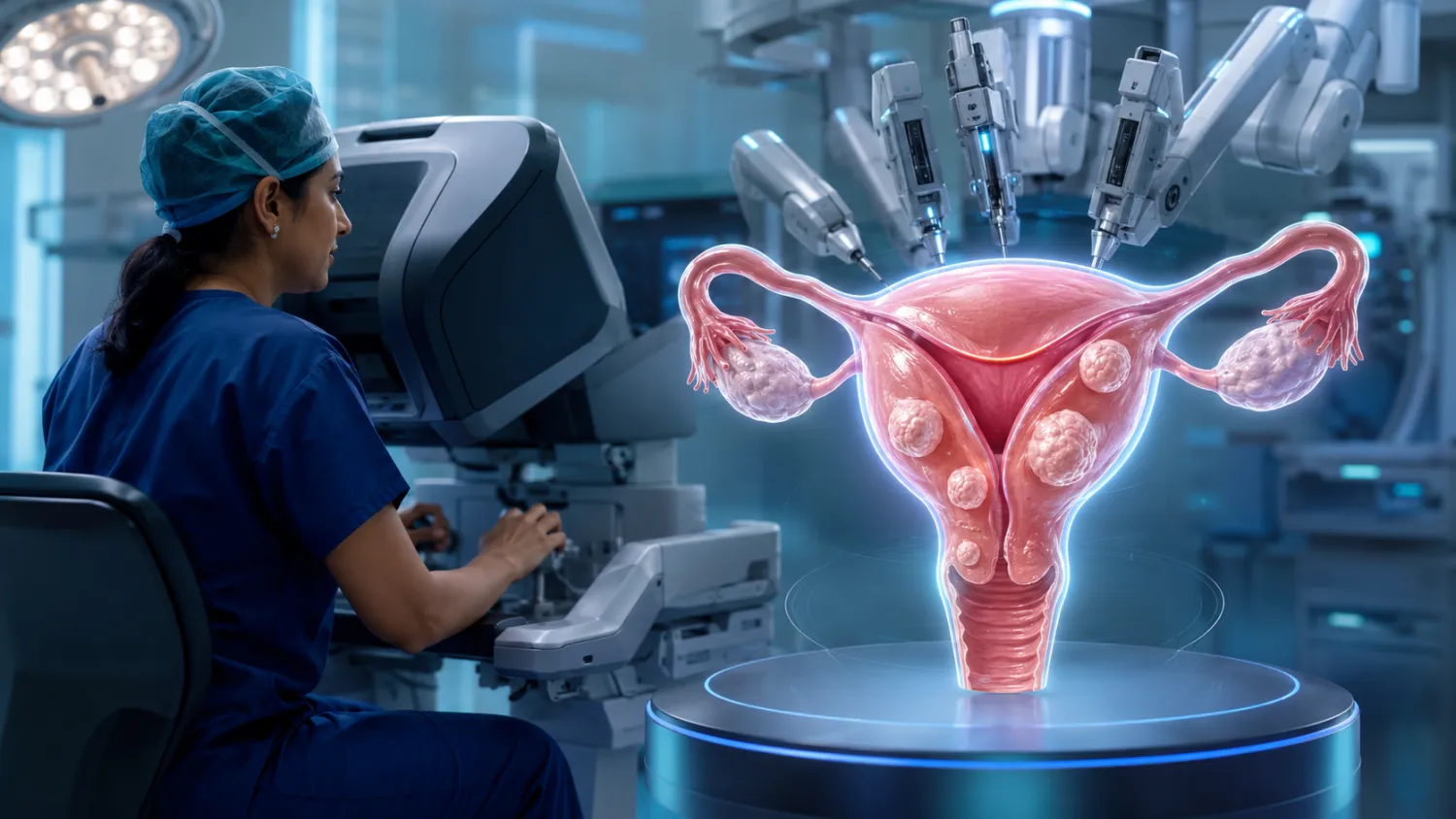
One uterus-preserving option is robotic myomectomy. This advanced form of minimally invasive surgery allows the surgeon to remove selected fibroids and carefully reconstruct the uterus through small abdominal incisions.
However, robotic surgery for uterine fibroids is not suitable for every patient. A personalised evaluation is essential before deciding whether robotic myomectomy, laparoscopic surgery, hysteroscopic surgery, open surgery or another treatment is most appropriate.
What Are Uterine Fibroids?
Uterine fibroids, also called leiomyomas or myomas, are non-cancerous growths that develop in or around the uterus. They vary greatly in size, number and location. A woman may have one small fibroid or several fibroids that enlarge or change the shape of the uterus.
Many fibroids do not cause symptoms and may only be discovered during an ultrasound or routine pelvic examination. Others can cause:
-
Heavy or prolonged menstrual bleeding
-
Bleeding between periods
-
Pelvic pain, pressure or heaviness
-
Abdominal enlargement
-
Frequent urination
-
Constipation
-
Pain during sexual intercourse
-
Lower back discomfort
-
Anaemia caused by excessive bleeding
-
Difficulty conceiving in selected cases
-
Pregnancy-related complications
Fibroids are usually benign and do not automatically require surgery. Treatment is generally considered when symptoms affect health, fertility or quality of life.
Do All Fibroids Require Treatment?
No. Small fibroids that are not causing symptoms may only require periodic monitoring. The treatment decision should be based on symptoms and clinical findings rather than size alone.
A gynaecologist may recommend treatment when fibroids cause persistent heavy bleeding, significant anaemia, pelvic pressure, severe pain, fertility concerns or rapid abdominal enlargement. Treatment may also be discussed when a fibroid’s position is affecting the uterine cavity or nearby organs.
Medicines may help control bleeding or pain, but they may not permanently remove the fibroids. Other options can include uterine artery embolisation, radiofrequency ablation and surgery. The benefits and limitations of each option should be discussed individually.
Can Fibroids Be Removed Without Removing the Uterus?
Yes. A myomectomy removes fibroids while leaving the uterus in place. It may be considered for women who want to preserve their uterus, whether for future pregnancy or for personal reasons.
The method used to perform a myomectomy depends on the fibroids’ size, number and position:
Hysteroscopic myomectomy
This technique may be used for fibroids projecting into the uterine cavity. The surgeon reaches the uterus through the vagina and cervix, so abdominal incisions are not required.
Laparoscopic myomectomy
Small abdominal incisions are used to insert a camera and specialised instruments. The surgeon controls the instruments directly to remove the fibroids and repair the uterus.
Robotic myomectomy
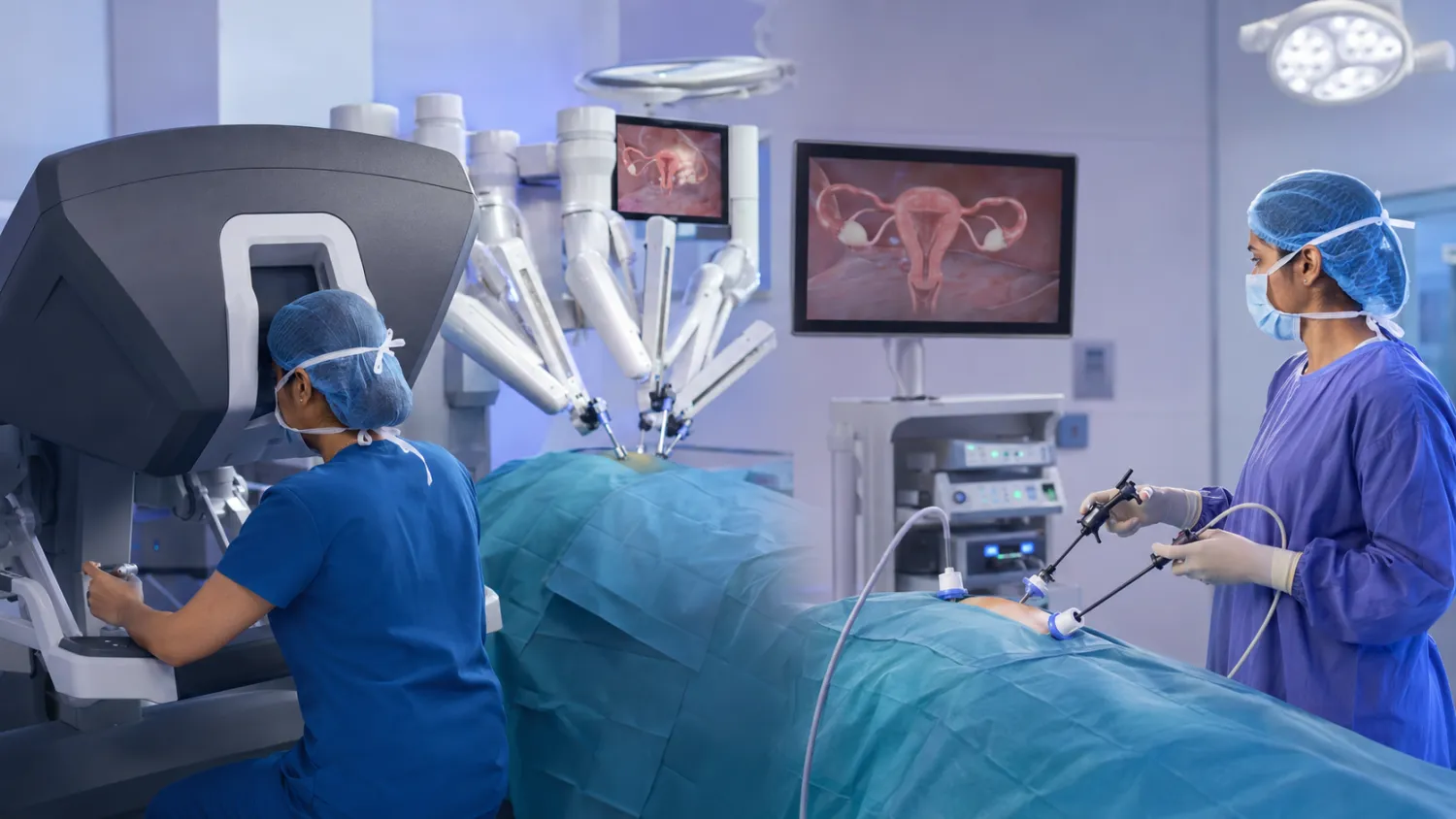
Robotic myomectomy also uses small abdominal incisions, but the surgeon controls wristed robotic instruments from a console. The robot does not perform the operation independently; every movement is directed by the surgeon.
Open abdominal myomectomy
A larger abdominal incision may be required for very large, numerous or deeply placed fibroids, particularly when safe removal and reconstruction cannot be achieved through a minimally invasive approach.
According to the Mayo Clinic, both laparoscopic and robotic myomectomy can remove fibroids while leaving the uterus in place in appropriately selected patients.
How Does Robotic Myomectomy Work?
During robotic surgery for uterine fibroids, the patient is placed under general anaesthesia. Several small incisions are made in the abdomen, and a camera and robotic instruments are positioned inside the surgical area.
The surgeon sits at a nearby console and views the pelvis through a magnified, high-definition, three-dimensional image. Hand movements made at the console are translated into precise movements of the instruments.
The surgeon carefully separates each selected fibroid from the uterine muscle. The uterus is then repaired in layers to restore its strength and structure. The removed tissue is extracted using a planned technique based on the fibroid’s size and the patient’s individual risk assessment.
Robotic instruments have wrist-like movement, which can assist with dissection and suturing in the confined space of the pelvis. The value of these features depends heavily on appropriate case selection and the surgeon’s experience.
What Are the Potential Benefits of Robotic Fibroid Surgery?
For suitable patients, robotic myomectomy may offer the following potential benefits:
-
Preservation of the uterus
-
Small abdominal incisions
-
Enhanced three-dimensional visualisation
-
Precise dissection around the fibroid
-
Greater instrument flexibility
-
Careful multilayer suturing of the uterus
-
Less blood loss in selected cases
-
Shorter hospital stay than open surgery
-
Less postoperative discomfort
-
Faster return to routine activities
-
Smaller scars
These are possible benefits rather than guarantees. The outcome depends on the fibroids, the patient’s health, surgical complexity and the expertise of the surgical team.
Who May Be Suitable for Robotic Myomectomy?
Robotic myomectomy may be considered when a woman:
-
Has symptomatic uterine fibroids
-
Wants to preserve her uterus
-
Wishes to retain the possibility of future pregnancy
-
Has fibroids that can be safely accessed through small incisions
-
Requires detailed uterine reconstruction
-
Has not received adequate relief from non-surgical treatment
-
Is medically fit for anaesthesia and minimally invasive surgery
Fibroid size alone does not always decide suitability. Their number, depth and location can be equally important. Previous abdominal operations, scar tissue, body weight, anaesthetic considerations and suspected malignancy also influence the recommendation.
When Might Robotic Surgery Not Be Appropriate?
Robotic surgery may not be recommended when fibroids are extremely large or numerous, there are extensive adhesions, cancer is suspected, or the surgeon believes that an open approach would provide safer access and control.
Some women may not require surgery at all. Others may be better suited to hysteroscopic myomectomy, conventional laparoscopy, open myomectomy or a non-surgical procedure.
A hysterectomy may be discussed when symptoms are severe, the woman does not wish to preserve her uterus, fibroids have repeatedly returned, other treatments have failed or there are additional uterine conditions. It may also be advised when there is significant concern about cancer.
The NHS notes that the recommended type of fibroid surgery depends on the size, number and location of the fibroids.
Can a Woman Become Pregnant After Robotic Myomectomy?
Because the uterus is preserved, pregnancy may be possible after robotic myomectomy. However, myomectomy does not guarantee fertility or pregnancy. Fertility can also be affected by age, ovarian reserve, fallopian tube health, sperm factors, endometriosis and other medical conditions.
The uterus needs adequate time to heal after surgery. The recommended waiting period before attempting pregnancy varies according to the number, size and depth of the fibroids removed and the extent of uterine repair.
Some women may be advised to have a caesarean delivery in a future pregnancy, particularly when deep incisions were made in the uterine muscle. This decision should be based on the operative findings and advice of the treating obstetrician.
What Are the Risks of Robotic Myomectomy?
All surgical procedures carry risks. Possible complications of myomectomy include:
-
Bleeding or need for blood transfusion
-
Infection
-
Injury to the bladder, bowel, ureters or blood vessels
-
Anaesthesia-related complications
-
Blood clots
-
Formation of internal scar tissue
-
Conversion to open surgery
-
Weakening of the uterine wall
-
Need for hysterectomy in an emergency
-
Recurrence or development of new fibroids
Fibroids removed during surgery may require division into smaller pieces for extraction. The method of tissue removal should be discussed before surgery, including precautions related to the rare possibility of an unexpected cancer.
Robotic technology may support minimally invasive surgery, but it does not eliminate risk. The FDA explains that robotic systems remain under the direct control of the surgeon.
How Long Does Recovery Take?
Recovery differs between patients and depends on the extent of surgery. Many women can begin walking within hours and may go home within one or two days after an uncomplicated minimally invasive procedure.
Light daily activities may be resumed gradually, while returning to work may take approximately two to four weeks. More strenuous exercise, heavy lifting and sexual activity should only be resumed after clearance from the surgeon.
Open abdominal myomectomy usually requires a longer hospital stay and recovery period than robotic or laparoscopic surgery.
Can Fibroids Return After Myomectomy?
Myomectomy removes existing fibroids but does not prevent new fibroids from developing. The possibility of recurrence depends on factors such as age, number of fibroids and individual biology.
Follow-up appointments and ultrasound monitoring may be advised, especially if symptoms return. Recurrence does not always mean another operation will be required.
Choosing the Right Fibroid Treatment
The best treatment should address the symptoms while respecting the patient’s fertility goals, preferences and long-term health. Before choosing surgery, ask:
-
Do my fibroids require treatment?
-
Can my uterus be preserved?
-
Which type of myomectomy is suitable for me?
-
Why is a robotic approach being recommended?
-
What are the alternatives?
-
How many similar procedures has the surgeon performed?
-
What are the risks of bleeding or conversion to open surgery?
-
How could surgery affect a future pregnancy?
-
What is the possibility of fibroid recurrence?
-
What will the treatment and hospitalisation cost?
Consult Dr Usha M Kumar for Uterine Fibroid Treatment
Dr Usha M Kumar is a Director-level Gynaecologic and Robotic Surgeon at Max Smart Super Speciality Hospital, Saket. With more than 30 years of experience and over 10,000 surgeries performed, she specialises in robotic and laparoscopic gynaecological surgery, gynaecologic oncology and complex women’s health conditions.
If you have been diagnosed with fibroids, a detailed consultation can help determine whether robotic myomectomy or another uterus-preserving treatment may be suitable for you.
Have questions or need to schedule an appointment? Get in touch with Dr Usha M Kumar and her team for expert guidance and compassionate women’s healthcare.
For appointments, call: +91-9999293741