




Posted By: Dr. Usha M Kumar on 24 Nov 2026
Endometriosis: Why Finding the Right Specialist Can Change a Woman’s Life
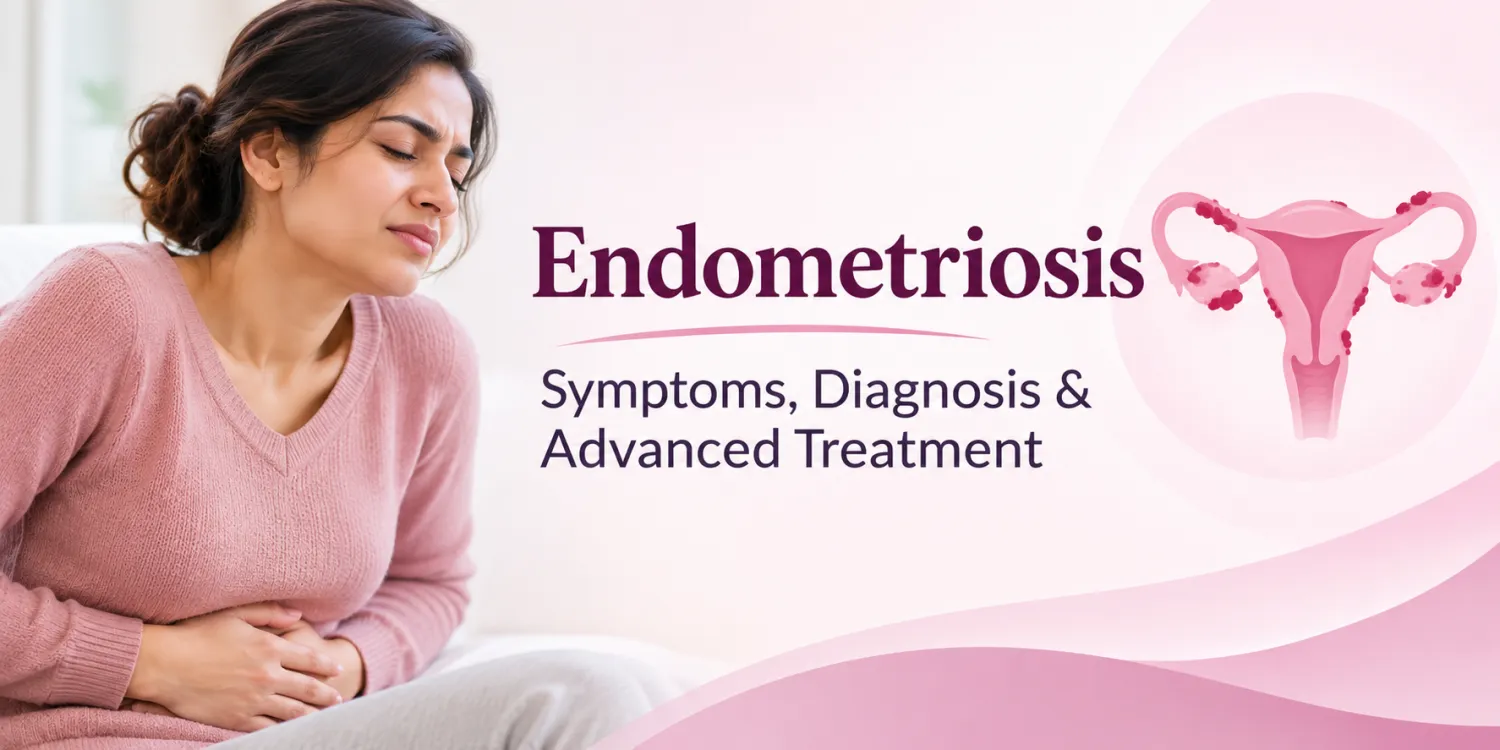
For some women, periods are uncomfortable. For others, they are so painful that everyday life becomes difficult. They miss work, cancel plans, struggle with exhaustion or spend several days each month trying to manage pain that seems to have no clear explanation.
Many are told that severe period pain is normal, that it will improve after marriage or that they should simply learn to tolerate it.
But persistent pelvic pain is not something women should be expected to endure without answers.
Sometimes, the underlying cause is endometriosis, a chronic inflammatory condition that can affect the ovaries, fallopian tubes, pelvic tissues, bowel, bladder and, occasionally, organs beyond the pelvis.
Endometriosis is estimated to affect approximately 10% of reproductive-age women worldwide. Yet diagnosis can be delayed because symptoms overlap with other conditions, and the severity of pain does not always reflect the extent of the disease.
For women searching for the best endometriosis doctor in Delhi, the most important consideration is not simply finding someone who treats painful periods. It is finding a specialist who understands the complexity of endometriosis, recognises its different presentations and can recommend appropriate medical, surgical and fertility-preserving treatment.
Dr. Usha M Kumar is a Delhi-based gynecologist associated with advanced gynecological endoscopy and minimally invasive surgery, including the management of complex endometriosis.
This article explores what endometriosis really means, why it is often missed, how specialists diagnose it, when surgery may be needed and what women should know before choosing an endometriosis specialist in Delhi.
- What Is Endometriosis?
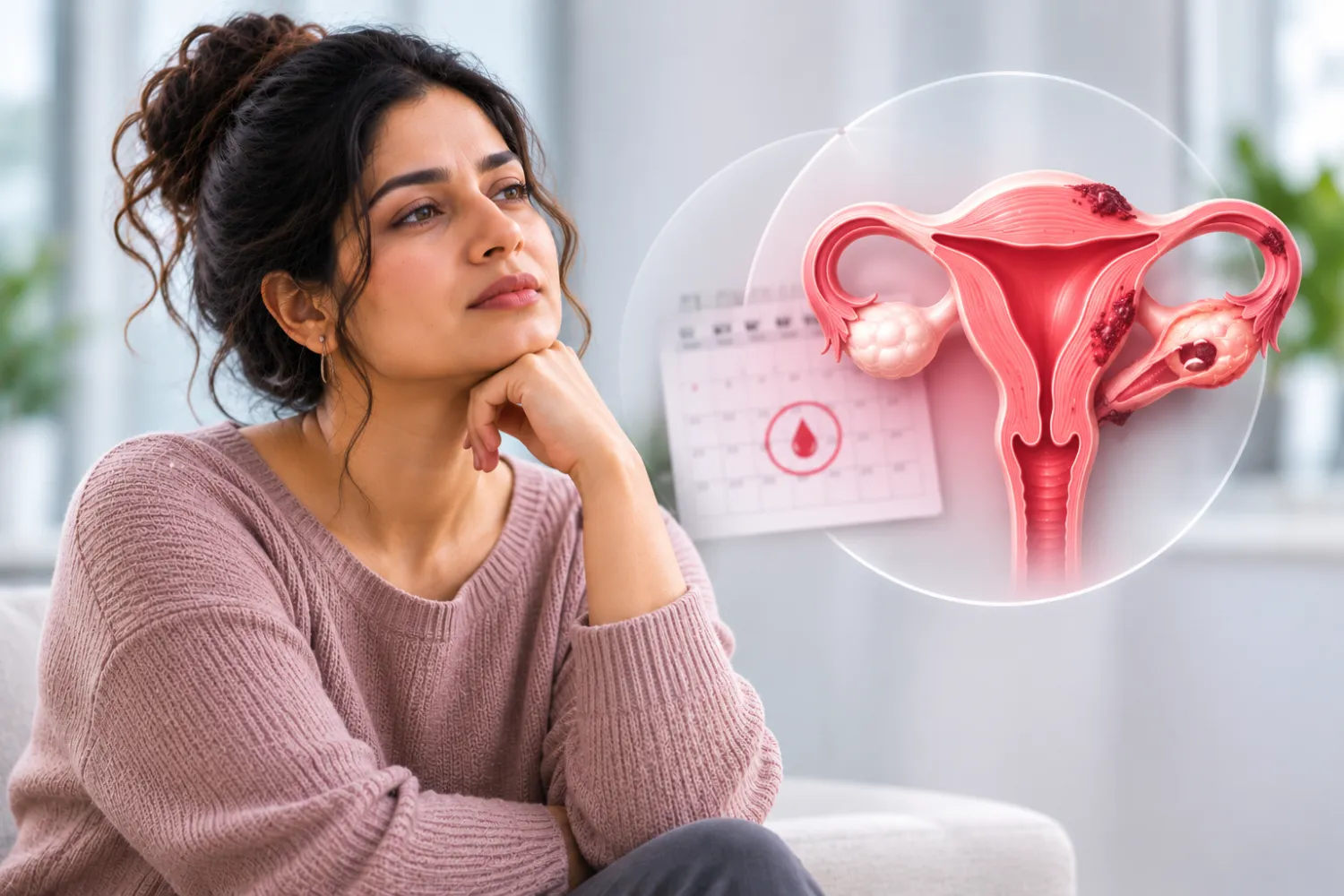
Endometriosis occurs when tissue resembling the lining of the uterus grows outside the uterine cavity. Unlike the normal endometrium, which is shed during menstruation, these deposits exist in locations where they can trigger inflammation, irritation, fibrosis and scar tissue formation.
Over time, the disease may lead to adhesions that cause pelvic organs to become attached to one another.
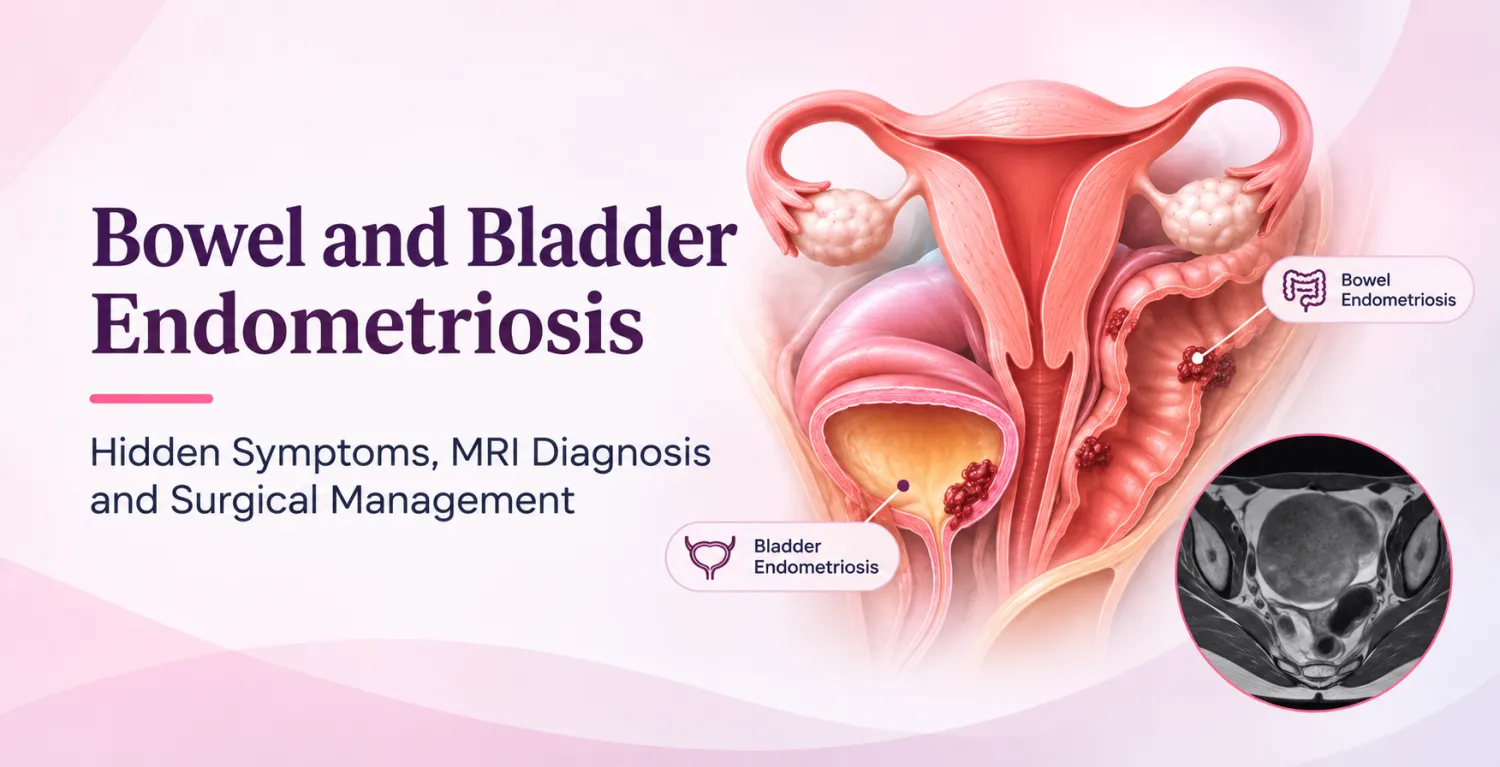
Endometriosis commonly affects the ovaries, pelvic lining, ligaments supporting the uterus and the space behind the uterus. In more complex cases, it can involve the bowel, bladder or ureters.
The condition behaves differently in different women. Some have small lesions but experience severe pain. Others have extensive disease with relatively mild symptoms.
This difference is important because pain intensity does not reliably indicate how advanced endometriosis is.
According to the World Health Organization, endometriosis affects approximately 190 million women of reproductive age worldwide and can significantly affect physical health, fertility, emotional well-being and quality of life.
World Health Organization
- Why Is Endometriosis Often Diagnosed Late?
Imagine a woman who has experienced severe menstrual pain since her teenage years. She has visited several doctors, taken painkillers regularly and undergone an ultrasound that appeared normal.
Years later, after developing pain during intercourse or difficulty conceiving, she finally receives an endometriosis diagnosis.
This is a common pattern in endometriosis care.
Diagnosis can be delayed for several reasons.
Severe period pain is frequently normalised
Menstrual discomfort is common, but pain that repeatedly disrupts normal activities deserves medical assessment.
Women sometimes delay seeking help because they believe severe pain is simply part of menstruation.
Symptoms overlap with other conditions
Endometriosis may resemble irritable bowel syndrome, urinary tract disorders, pelvic inflammatory disease or other causes of chronic pelvic pain.
This can make diagnosis challenging without a careful clinical evaluation.
Routine ultrasound may not detect every lesion
Ultrasound can identify ovarian endometriomas and certain forms of deep endometriosis, particularly when performed by an experienced examiner.
However, superficial endometriosis may not be visible on imaging.
A normal scan therefore does not automatically exclude the condition.
Symptoms may change over time
Some women initially experience only painful periods. Later, they may develop non-menstrual pelvic pain, bowel symptoms or fertility difficulties.
The World Health Organization reports that the time to diagnosis can range from four to twelve years.
World Health Organization
This is one reason why specialist assessment matters, particularly when symptoms persist despite initial treatment.
- Symptoms of Endometriosis That Women Should Not Ignore
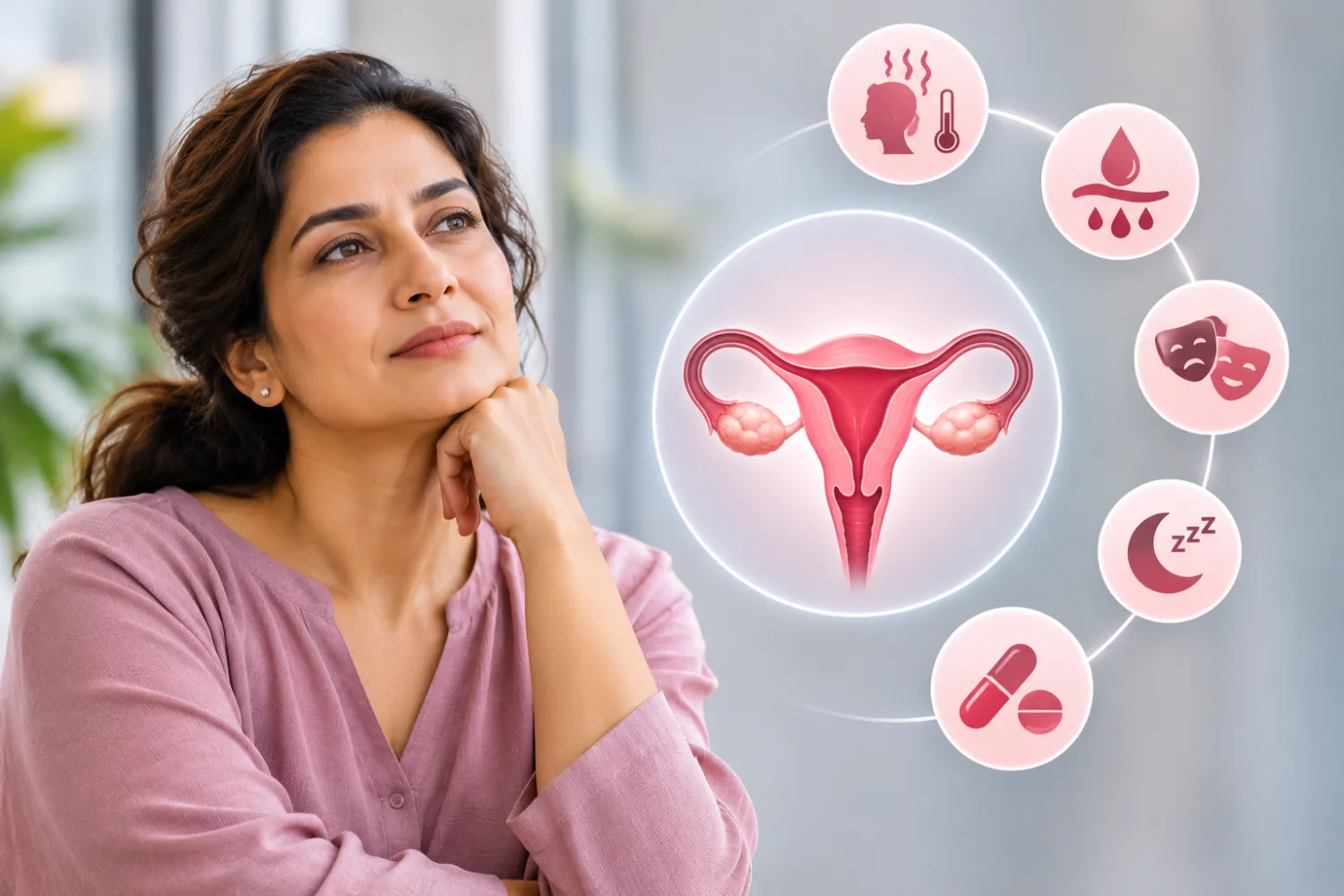
Endometriosis is often associated with painful periods, but its symptoms extend far beyond menstruation.
Severe menstrual cramps
Painful menstruation, medically called dysmenorrhoea, is one of the most common symptoms.
The pain may begin before menstruation, continue throughout the period or persist after bleeding stops.
Chronic pelvic pain
Some women experience persistent lower abdominal or pelvic pain even when they are not menstruating.
This can interfere with sleep, exercise, work and daily activities.
Pain during or after intercourse
Deep pain during sexual intercourse, known as dyspareunia, may occur when endometriosis affects tissues behind the uterus or other pelvic structures.
Painful bowel movements
Endometriosis involving tissues near the rectum or bowel can cause pain during bowel movements, constipation, diarrhoea or bloating.
Symptoms may become more pronounced during menstruation.
Urinary symptoms
When endometriosis affects the bladder or surrounding tissues, women may experience urinary urgency, discomfort or cyclical pain.
Blood in the urine during menstruation is less common but requires medical evaluation.
Difficulty becoming pregnant
Endometriosis can affect fertility through inflammation, adhesions, ovarian involvement and changes in pelvic anatomy.
However, many women with endometriosis conceive naturally.
Persistent fatigue
Chronic pain, disturbed sleep and the emotional burden of managing symptoms may contribute to fatigue.
These symptoms are not specific to endometriosis, but their pattern and severity can provide important diagnostic clues.
- What Causes Endometriosis?
The exact cause of endometriosis remains uncertain.
Researchers believe that several biological mechanisms may contribute to its development.
One theory involves retrograde menstruation, in which menstrual fluid travels backward through the fallopian tubes into the pelvic cavity.
However, retrograde menstruation occurs in many women who never develop endometriosis, suggesting that other factors are involved.
Immune system responses, genetic susceptibility, hormonal influences and inflammatory processes may also contribute.
Women with a close family history of endometriosis may have a higher likelihood of developing the condition.
Importantly, endometriosis is not caused by poor hygiene, personal behaviour or a woman’s decision to delay pregnancy.
It is a genuine medical condition that requires appropriate diagnosis and care.
- Understanding the Different Types of Endometriosis
Endometriosis is not a single uniform disease. Its location and depth can influence symptoms and treatment planning.
Superficial peritoneal endometriosis
This form affects the surface of the pelvic lining.
Lesions may be small and difficult to identify on routine imaging.
Despite their size, superficial lesions can sometimes cause significant pain.
Ovarian endometriosis
Endometriosis can form cysts within the ovaries, commonly called endometriomas or chocolate cysts.
These cysts contain altered blood products and may affect ovarian function.
Treatment depends on symptoms, cyst characteristics, fertility plans and other clinical findings.
Deep infiltrating endometriosis
Deep infiltrating endometriosis, or DIE, involves lesions extending beneath the surface of pelvic tissues.
It may affect the uterosacral ligaments, rectovaginal region, bowel, bladder or ureters.
Complex disease may distort pelvic anatomy and require advanced surgical planning.
Advanced endometriosis
Advanced disease may involve extensive adhesions, ovarian endometriomas and deep lesions affecting several pelvic structures.
Although endometriosis is sometimes described using stages I to IV, the stage alone does not determine pain severity or the most appropriate treatment.
For women seeking an advanced endometriosis specialist in Delhi, expertise in recognising disease location and assessing organ involvement is particularly important.
- How Is Endometriosis Diagnosed?
Accurate diagnosis begins with listening carefully to the patient’s symptoms.
An experienced endometriosis doctor considers the pattern of pain, menstrual history, previous treatments, fertility concerns and the impact of symptoms on daily life.
Detailed clinical history
The doctor may ask when the pain started, whether it changes during the menstrual cycle and whether bowel, bladder or sexual symptoms are present.
Previous surgeries and family history may also be relevant.
Pelvic examination
A pelvic examination may identify tenderness, restricted organ mobility or other findings suggesting endometriosis.
However, a normal examination does not rule out the disease.
Transvaginal ultrasound
Specialist pelvic ultrasound can help identify ovarian endometriomas and certain deep endometriosis lesions.
The accuracy depends partly on the location of the disease and the examiner’s expertise.
MRI for endometriosis
MRI may be recommended when deep disease is suspected, especially when the bowel, bladder, ureters or multiple pelvic structures may be involved.
MRI can help map disease extent before complex surgery.
Diagnostic laparoscopy
Laparoscopy allows the surgeon to examine pelvic structures directly and, when appropriate, remove lesions for histopathological assessment.
However, surgery is not always necessary to establish a working diagnosis or begin treatment.
Current ESHRE guidance supports a clinical approach using symptoms and imaging, with laparoscopy considered when imaging is negative but suspicion remains high, or when empirical treatment is unsuccessful or inappropriate.
ESHRE+1
The purpose of diagnosis is not merely to label the condition. It is to understand its likely extent and determine what treatment would be most beneficial.
- Can Endometriosis Be Treated Without Surgery?
Yes. Many women can manage endometriosis symptoms without undergoing surgery.
Treatment should be individualised according to pain severity, age, reproductive plans, previous treatment response and disease characteristics.
Pain-relieving medication
Non-steroidal anti-inflammatory medicines may help reduce menstrual pain.
These medications are not suitable for everyone and should be used according to medical advice.
Hormonal treatment
Hormonal therapies can reduce menstrual activity and help control endometriosis-related pain.
Options may include combined hormonal contraceptives, progestin-based treatment and certain hormonal intrauterine systems.
GnRH-based medications may be considered in selected situations, usually with attention to side effects and bone health.
Supportive pain management
Some women benefit from pelvic floor physiotherapy, pain management support and psychological interventions for chronic pain.
These approaches do not remove endometriosis lesions, but they can improve function and quality of life.
Monitoring
When symptoms are mild and there are no concerning findings, a specialist may recommend monitoring rather than immediate intervention.
Not every patient with endometriosis requires surgery.
The decision should reflect the patient’s symptoms, medical circumstances and personal goals.
- When Is Endometriosis Surgery Recommended?
Surgery may be considered when symptoms remain significant despite appropriate medical treatment or when disease-related complications require intervention.
Possible reasons include persistent severe pain, selected ovarian endometriomas, suspected deep organ involvement, anatomical distortion or certain fertility-related circumstances.
However, surgery is not automatically the best treatment for every patient.
Before recommending an operation, a specialist should evaluate the expected benefits, potential complications and alternatives.
This is particularly important for women with ovarian endometriomas, because surgery on the ovary can sometimes reduce ovarian reserve.
The decision should also consider whether the patient wishes to conceive naturally, is considering IVF or has completed her family.
For women searching for endometriosis surgery in Delhi, understanding the reason for surgery is just as important as understanding the surgical technique.
- Laparoscopic Endometriosis Surgery
Laparoscopy is a minimally invasive surgical technique performed through small abdominal incisions.
A camera allows the surgeon to view the pelvic organs while specialised instruments are used to perform the procedure.
Depending on the disease, surgery may involve removing endometriosis lesions, releasing adhesions, treating selected ovarian cysts and restoring pelvic anatomy where possible.
Potential advantages
Compared with traditional open surgery, laparoscopy often allows smaller incisions, shorter hospital stays and faster recovery in suitable cases.
However, recovery depends on the complexity of the procedure.
A simple operation for limited disease is very different from surgery involving the bowel, bladder or ureters.
Why surgical experience matters
Advanced endometriosis may distort normal anatomy.
Adhesions can bring organs unusually close together, increasing the difficulty of identifying and protecting vital structures.
Complex surgery therefore requires detailed anatomical knowledge, appropriate surgical expertise and careful planning.
- Robotic Endometriosis Surgery in Delhi
Robotic-assisted surgery is another minimally invasive approach used for selected complex gynecological procedures.
In robotic surgery, the surgeon controls specialised instruments through a robotic system.
The technology can provide three-dimensional magnified visualisation and articulated instrument movement.
When might robotic surgery be considered?
Robotic assistance may be considered for selected cases involving deep endometriosis, difficult pelvic anatomy, extensive adhesions or complex reconstructive procedures.
Potential advantages depend on the surgeon’s experience, the patient’s anatomy and the complexity of the operation.
Robotic surgery is not automatically superior to conventional laparoscopy for every patient, and it does not guarantee complete disease removal or prevent recurrence.
The most appropriate technique is the one that can achieve the treatment goals safely in the individual situation.
Dr. Usha M Kumar’s surgical experience
Dr. Usha M Kumar’s published professional profile describes advanced training in laparoscopic and robotic gynecological surgery, including complex endometriosis and fertility-preserving procedures.
She is associated with Max Smart Super Speciality Hospital, Saket, and has more than three decades of gynecological experience.
Dr. Usha M Kumar+1
Her clinical focus makes her a relevant specialist to consider when evaluating advanced surgical options for endometriosis in Delhi.
- Endometriosis Excision Surgery vs Ablation
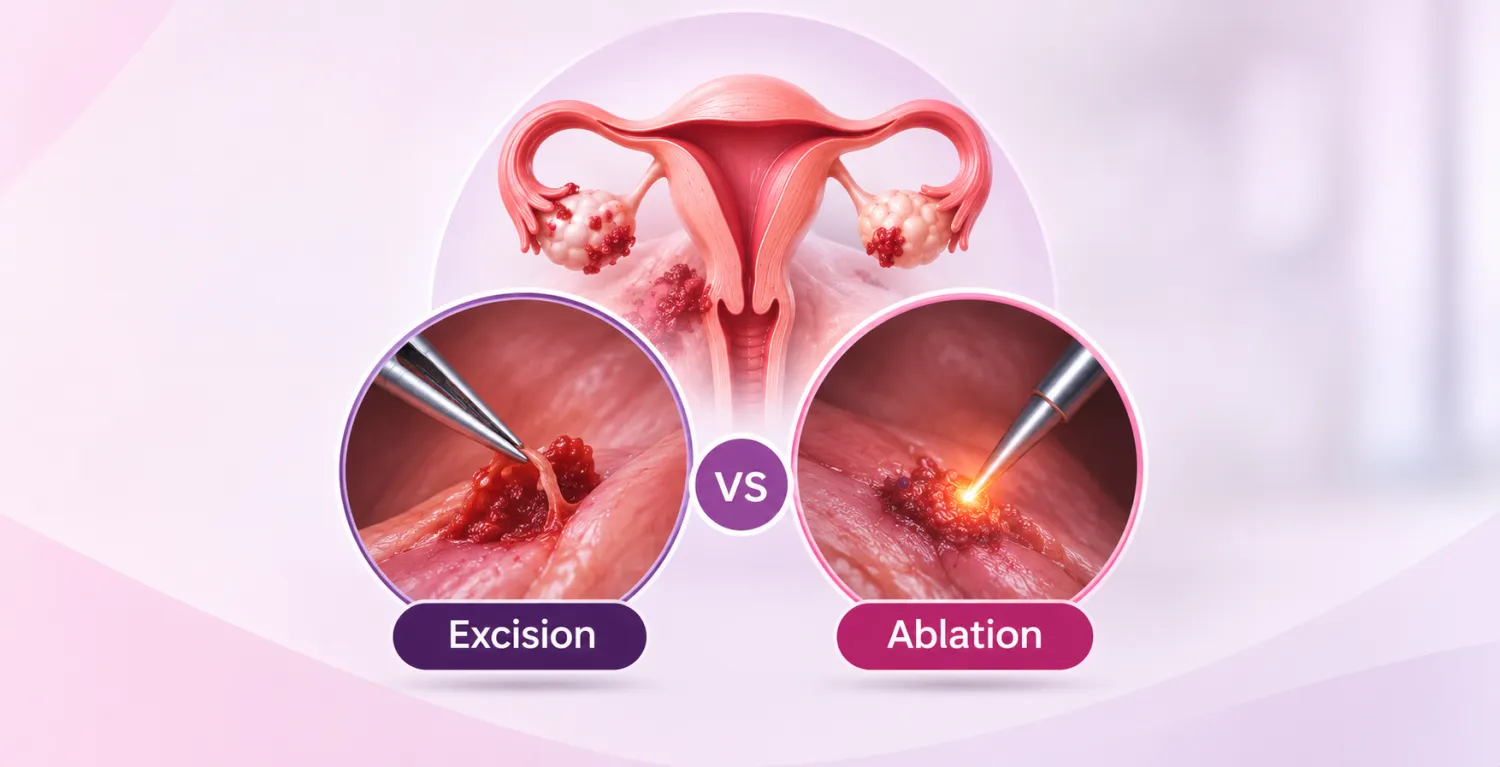
Two surgical approaches commonly discussed in endometriosis management are excision and ablation.
Excision surgery
Excision involves surgically removing endometriosis lesions from affected tissues.
It may be particularly relevant for deep lesions that extend beneath the tissue surface.
Ablation
Ablation uses energy to destroy visible endometriosis tissue.
It may be appropriate for selected superficial lesions but may not adequately treat deeper disease.
Which is better?
The answer depends on lesion type, location, disease extent, surgical expertise and the patient’s treatment goals.
Excision is often an important technique for deep endometriosis, but evidence does not establish that it is universally superior to ablation for every superficial lesion.
Neither approach guarantees that endometriosis will never recur.
A patient considering surgery should ask what technique is planned, why it is recommended and how the surgeon intends to protect surrounding healthy tissue.
- Deep Infiltrating Endometriosis: Why It Requires Specialised Care
Deep infiltrating endometriosis can be particularly challenging because lesions may involve structures essential for bowel, urinary and reproductive function.
For example, endometriosis near the rectum can cause painful bowel movements, while lesions involving the ureter may obstruct urine drainage.
Some women develop extensive adhesions that alter the position of the uterus, ovaries and surrounding organs.
Surgical planning for complex disease
Before surgery, detailed imaging may be needed to identify affected structures.
The surgical team may include a gynecological endometriosis surgeon, colorectal surgeon or urologist, depending on disease location.
The aim is to treat clinically significant disease while reducing unnecessary injury to healthy tissue.
For women with suspected bowel or bladder endometriosis, a consultation with an appropriately experienced specialist can help determine whether advanced surgery is needed.
- Endometriosis and Infertility: Can You Still Become Pregnant?
An endometriosis diagnosis does not mean that pregnancy is impossible.
Many women with mild or moderate endometriosis conceive naturally.
However, the disease can affect fertility through several mechanisms.
Inflammation may influence the reproductive environment. Adhesions may interfere with normal movement of the ovaries and fallopian tubes. Ovarian endometriomas and previous ovarian surgery may also affect ovarian reserve.
Fertility assessment may include ultrasound, ovarian reserve testing, evaluation of the fallopian tubes and semen analysis of the partner where appropriate.
Does endometriosis always require surgery before IVF?
No.
Surgery before IVF is not routinely recommended solely to improve fertility outcomes.
In some cases, particularly with ovarian endometriomas, surgery may reduce ovarian reserve without improving the likelihood of pregnancy through assisted reproduction.
However, surgery may still be considered for severe pain, suspicious cyst characteristics, difficult follicle access or other clinical indications.
A coordinated discussion between an endometriosis specialist and fertility specialist may be valuable.
Why fertility-preserving treatment matters
For women who wish to have children in the future, treatment should consider the potential impact on ovarian tissue and reproductive anatomy.
This is especially important during ovarian cyst surgery.
Even technically successful surgery can affect ovarian reserve, so the risks and benefits must be discussed beforehand.
- Can Endometriosis Return After Treatment?
Endometriosis is a chronic condition, and symptoms can persist or recur after treatment.
Recurrence depends on factors such as disease characteristics, the completeness and type of treatment, hormonal influences and individual circumstances.
Surgery may provide substantial relief for some women, but it is not a guaranteed permanent cure.
When pregnancy is not being pursued immediately, postoperative hormonal treatment may be recommended to reduce the likelihood of symptom recurrence.
Long-term care may also involve pain management, follow-up imaging when indicated and evaluation of other contributors to persistent pelvic pain.
The World Health Organization emphasises that endometriosis currently has no definitive cure and that treatment focuses on symptom control and reducing its long-term impact.
World Health Organization
- How to Choose the Best Endometriosis Doctor in Delhi
Finding the right doctor is especially important when symptoms are severe, fertility is affected or previous treatment has not provided relief.
The phrase best endometriosis doctor in Delhi is frequently used by patients searching online, but there is no universally accepted ranking that identifies one doctor as the best for every patient.
Instead, consider several practical factors.
Experience with different forms of endometriosis
Ask whether the specialist routinely evaluates superficial, ovarian and deep infiltrating endometriosis.
Complex disease requires different expertise from uncomplicated menstrual pain.
Ability to offer non-surgical treatment
A responsible specialist should discuss medical management and other appropriate alternatives before recommending surgery.
Advanced surgical expertise
If surgery is being considered, experience with complex pelvic anatomy, endometriosis excision and minimally invasive techniques may be relevant.
Fertility-conscious decision-making
Women planning pregnancy should understand how proposed treatment may affect ovarian reserve and reproductive outcomes.
Multidisciplinary support
Deep disease involving the bowel or urinary tract may require collaboration with other surgical specialists.
Clear communication
Patients should receive an understandable explanation of their diagnosis, treatment choices, expected benefits, complications and recovery.
Long-term follow-up
Because endometriosis can recur, ongoing management is often important even after symptoms improve.
The right specialist should focus on the patient’s long-term health rather than treating every case as an isolated procedure.
- Why Consider Dr. Usha M Kumar for Endometriosis Treatment in Delhi?
Dr. Usha M Kumar is a senior gynecological and robotic surgeon practising in South Delhi.
Her published professional credentials include MBBS, MS in Obstetrics and Gynecology, MRCOG and FRCOG (UK), along with additional training in advanced laparoscopic and robotic gynecological surgery.
Her professional profile reports more than 30 years of clinical experience and extensive experience with complex gynecological procedures.
Dr. Usha M Kumar+1
Experience with complex endometriosis
Her areas of practice include advanced endometriosis management, ovarian endometriosis, deep infiltrating disease and complex pelvic surgery.
Laparoscopic and robotic surgical training
Her background includes minimally invasive surgical techniques used in selected complex gynecological cases.
Fertility-preserving surgical planning
Her stated clinical focus includes fertility-preserving procedures, which may be relevant for women concerned about ovarian function and future pregnancy.
Care for advanced disease
Patients with suspected Grade 3 or Grade 4 endometriosis, extensive adhesions or recurrent symptoms may benefit from an assessment by a surgeon experienced in complex disease.
Individualised treatment decisions
Endometriosis management should be based on symptoms, imaging findings, fertility plans and the patient’s preferences.
Not every woman needs surgery, and not every surgical patient needs robotic assistance.
For women considering advanced endometriosis treatment in Delhi, Dr. Usha M Kumar is a specialist whose qualifications and stated areas of expertise are relevant to complex disease evaluation.
- Questions to Ask an Endometriosis Specialist
A consultation is an opportunity to understand the condition and make informed decisions.
Useful questions include:
- Do my symptoms suggest endometriosis or another pelvic condition?
- Do I need specialist ultrasound or MRI?
- Is there evidence of ovarian, bowel or bladder involvement?
- Can my symptoms be managed without surgery?
- What are the benefits and risks of hormonal treatment?
- If surgery is recommended, what is the specific indication?
- Would laparoscopy or robotic surgery be more appropriate in my case?
- How could treatment affect my fertility or ovarian reserve?
- What complications are possible?
- What follow-up or long-term treatment might I need?
For major or complex surgery, seeking a second opinion is also reasonable.
- Living with Endometriosis: Looking Beyond Medical Treatment
Endometriosis can affect far more than physical comfort.
Repeated pain episodes may interfere with professional responsibilities, social relationships, sleep, intimacy and emotional health.
Women may also experience frustration when their symptoms have been dismissed or when diagnosis takes years.
Managing endometriosis therefore requires attention to the whole person.
A symptom diary can help identify patterns and provide useful information during consultations.
Appropriate exercise, adequate sleep and stress management may support general well-being, although they do not cure endometriosis.
Pelvic floor physiotherapy may be useful when muscle dysfunction contributes to pain.
Psychological support can also help women manage the emotional impact of chronic illness.
Dietary changes may help some individuals manage gastrointestinal symptoms, but no particular diet has been proven to eliminate endometriosis.
The most effective approach is usually individualised, combining appropriate medical treatment with practical support for daily life.
- When Should You Seek an Endometriosis Consultation?
Consider consulting a gynecologist experienced in endometriosis if menstrual pain repeatedly disrupts daily activities, pelvic pain continues outside menstruation, intercourse becomes painful or bowel and urinary symptoms worsen around periods.
Specialist evaluation may also be appropriate if you have an ovarian endometrioma, difficulty conceiving, recurrent symptoms after treatment or suspected deep infiltrating endometriosis.
Seek urgent medical care for sudden severe abdominal pain, fainting, heavy bleeding, fever with significant pelvic pain or symptoms suggesting an acute medical emergency.
Women should not wait until pain becomes unbearable before seeking help.
Early assessment may allow symptoms to be managed more effectively and help identify complications requiring closer attention.
Frequently Asked Questions
Who is the best endometriosis doctor in Delhi?
There is no single independently established best doctor for every case. Dr. Usha M Kumar is an experienced gynecological and robotic surgeon in Delhi whose practice includes advanced endometriosis, complex pelvic surgery and fertility-preserving procedures.
Which doctor should I consult for severe endometriosis?
Women with severe or suspected deep infiltrating endometriosis may benefit from consultation with a gynecologist experienced in complex endometriosis management, advanced imaging interpretation and minimally invasive pelvic surgery.
Can endometriosis be cured permanently?
There is currently no guaranteed permanent cure. Medical treatment and surgery can help control symptoms, but disease or pain may persist or recur.
Is robotic surgery better for endometriosis?
Robotic surgery may be useful in selected complex cases, but it is not automatically better than conventional laparoscopy. The appropriate technique depends on disease extent, surgeon expertise, available resources and patient circumstances.
Can Grade 4 endometriosis be treated?
Yes. Advanced endometriosis can be managed using medical treatment, surgery or a combination of approaches. The treatment plan depends on symptoms, organ involvement and reproductive goals.
Can endometriosis cause infertility?
Yes, endometriosis can contribute to infertility, but many women with the condition conceive naturally. Fertility assessment helps determine the most appropriate next steps.
Is MRI necessary for endometriosis?
MRI is not necessary for every patient. It can be particularly useful when deep disease or bowel, bladder or ureter involvement is suspected.
Can endometriosis be diagnosed without surgery?
Yes. Symptoms, clinical examination and specialist imaging may support a diagnosis and allow treatment to begin without surgery.
Does removing an endometrioma improve fertility?
Not necessarily. Ovarian cyst surgery may be appropriate in selected situations, but it can also reduce ovarian reserve. Fertility plans should be discussed before surgery.
Where does Dr. Usha M Kumar consult in Delhi?
Dr. Usha M Kumar is associated with Max Smart Super Speciality Hospital, Saket, New Delhi, and also lists a consultation location in Lajpat Nagar. Patients should confirm current appointments through her official website.
Conclusion: Endometriosis Deserves Specialist Attention, Not Years of Unexplained Pain
Endometriosis is not simply a condition that causes painful periods. It can affect reproductive health, bowel and bladder function, emotional well-being and everyday quality of life.
The right diagnosis and treatment plan can make a meaningful difference, particularly for women who have experienced persistent symptoms, fertility difficulties or unsuccessful previous treatment.
For patients searching for the best endometriosis doctor in Delhi, the most important factors are relevant clinical experience, accurate diagnosis, balanced treatment recommendations, fertility-conscious planning and appropriate expertise in complex surgery when necessary.
Dr. Usha M Kumar offers gynecological and advanced minimally invasive surgical expertise for women seeking evaluation of endometriosis, including complex and deep infiltrating disease.
Whether you are experiencing severe period pain, have been diagnosed with an ovarian endometrioma or are considering surgery, an informed specialist consultation can help you understand your options.
You deserve to have your symptoms taken seriously and your treatment decisions explained clearly.
Consult Dr. Usha M Kumar
Gynecological, Laparoscopic & Robotic Surgeon
Max Smart Super Speciality Hospital
1–2 Press Enclave Road, Saket, New Delhi 110017, India
+91 99992 93741
Dr. Usha M Kumar – Official Website
Delhi Center for Endometriosis