




Posted By: Dr. Usha M Kumar on 10 Oct 2026
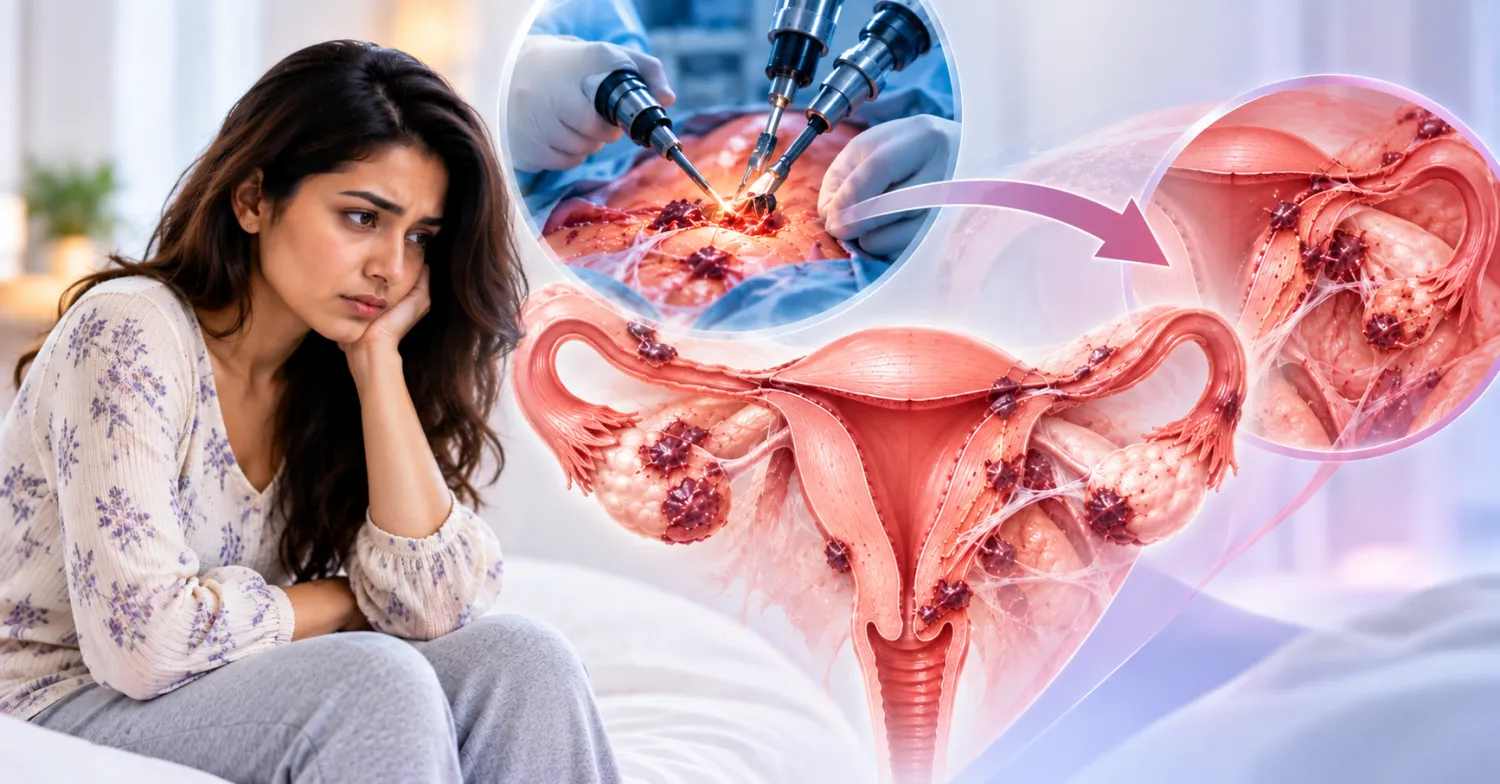
Endometriosis is not the same in every woman. In some patients, endometriotic lesions remain relatively superficial. In others, the disease extends deeper into pelvic tissues and may affect structures such as the bowel, bladder, ureters, vagina or tissues behind the uterus.
This more complex form is commonly known as deep endometriosis, historically also referred to as deep infiltrating endometriosis (DIE).
Deep endometriosis can cause severe period pain, chronic pelvic pain, painful intercourse, bowel or urinary symptoms and, in some women, fertility problems. Yet the severity of symptoms does not always predict how extensive the disease is.
Treatment therefore requires more than simply diagnosing “endometriosis.” Doctors need to understand where the disease is located, which organs are involved, how deeply they are affected and what the patient’s priorities are.
For women searching for treatment for deep infiltrating endometriosis in India, this article explains the symptoms, diagnosis, role of ultrasound and MRI, bowel and bladder involvement, fertility considerations and when advanced laparoscopic or robotic surgery may be appropriate.
What Is Deep Infiltrating Endometriosis?
Endometriosis is a chronic condition in which tissue similar to the lining of the uterus develops outside the uterus.
Deep endometriosis refers to disease that extends beneath the surface of affected tissues and can form nodules, fibrosis and adhesions within the pelvis.
It may involve areas such as:
- uterosacral ligaments
- rectovaginal region
- vagina
- rectum
- sigmoid colon
- bladder
- ureters
- pelvic sidewall
- tissues behind the uterus
Deep disease may occur together with ovarian endometriomas, commonly known as chocolate cysts, and extensive pelvic adhesions.
Because several structures can be involved simultaneously, deep endometriosis can represent one of the most challenging forms of the disease to diagnose and treat.
Is Deep Endometriosis the Same as Stage 4 Endometriosis?
Not necessarily.
Patients often use the terms deep endometriosis and Stage 4 endometriosis interchangeably, but they do not mean exactly the same thing.
Endometriosis can be classified using systems that consider findings such as lesion location, adhesions and ovarian involvement.
Deep endometriosis, however, describes the nature and anatomical location of disease.
A staging system alone does not fully communicate:
- which organs are affected
- how deeply a lesion extends
- the patient’s pain severity
- fertility implications
- surgical complexity
This is why modern endometriosis treatment should not be determined by stage alone.
The clinically important questions are:
Where is the disease?
What structures does it involve?
What symptoms is it causing?
What does the patient want to achieve from treatment?
What Causes Deep Endometriosis?
The exact cause of endometriosis remains incompletely understood.
Several biological mechanisms have been proposed, and the disease is likely to result from an interaction of hormonal, immune, inflammatory, genetic and other factors.
It is therefore inaccurate to suggest that endometriosis develops because of one specific lifestyle choice or behaviour.
Deep endometriosis should also not be viewed simply as ordinary endometriosis that a patient allowed to become “advanced.”
Disease behaviour differs among individuals.
What Are the Symptoms of Deep Infiltrating Endometriosis?
Symptoms depend substantially on the location of disease.
Common symptoms can include:
- severe menstrual cramps
- chronic pelvic pain
- pain during or after sexual intercourse
- pain while passing stool
- constipation or diarrhoea associated with menstruation
- rectal discomfort
- abdominal bloating
- pain while passing urine
- cyclical urinary symptoms
- lower back pain
- infertility
- fatigue
Some symptoms can provide clues about which pelvic structures may be involved.
However, symptoms alone cannot reliably map the disease.
Can Deep Endometriosis Cause Severe Period Pain?
Yes.
Severe dysmenorrhoea—pain associated with menstruation—is one of the common symptoms of endometriosis.
Pain that repeatedly interferes with school, work, sleep or normal activities deserves medical evaluation.
Taking painkillers every month and accepting disabling pain as “normal periods” can delay diagnosis.
At the same time, severe period pain does not automatically mean deep endometriosis. Other gynaecological conditions, including adenomyosis, may cause similar symptoms.
Proper assessment is therefore important.
What Is Bowel Endometriosis?
Bowel endometriosis occurs when endometriosis affects part of the intestinal tract.
The rectum and sigmoid colon are among the sites that may be affected.
Possible symptoms include:
- painful bowel movements
- deep pelvic pain
- constipation
- diarrhoea
- bloating
- cyclical bowel symptoms
- pain during intercourse
- occasionally rectal bleeding
Symptoms may become more noticeable around menstruation.
However, bowel symptoms can also result from many gastrointestinal conditions.
A woman with constipation or bloating should therefore not assume she has bowel endometriosis solely because these symptoms are present.
Does Bowel Endometriosis Always Require Surgery?
No.
The presence of bowel endometriosis does not automatically mean bowel surgery is necessary.
Treatment depends on factors including:
- severity of symptoms
- depth of bowel involvement
- lesion size
- location
- degree of narrowing
- other sites of endometriosis
- fertility plans
- response to medical treatment
- patient preferences
If surgery is recommended, the operation should be tailored to the extent of bowel involvement.
Not every bowel lesion requires removal of a segment of intestine.
How Is Bowel Endometriosis Treated Surgically?
The surgical technique depends on the size, depth and location of disease.
In selected patients, treatment may involve removing disease from the bowel surface without opening the bowel.
Other lesions may require removal of a portion of the bowel wall.
More extensive disease can occasionally require removal of an affected bowel segment followed by reconnection of healthy bowel.
These are very different procedures with different risks.
For this reason, suspected bowel endometriosis should ideally be identified before surgery whenever possible so appropriate expertise can be available.
A colorectal surgeon may participate in selected complex cases.
What Is Bladder Endometriosis?
Bladder endometriosis occurs when endometriotic disease affects the bladder.
Possible symptoms can include:
- pain when the bladder fills
- pain during urination
- urinary urgency
- pelvic pain
- cyclical urinary symptoms
- blood in the urine in some cases
However, urinary symptoms can have many other causes, including urinary infections and bladder pain syndromes.
Appropriate investigation is therefore necessary.
What Is Ureteric Endometriosis?
The ureters are the tubes that transport urine from the kidneys to the bladder.
Endometriosis can sometimes develop around or directly involve a ureter.
This form of disease deserves particular attention because significant narrowing can obstruct urinary drainage.
Importantly, severe ureteric involvement may not always produce dramatic symptoms.
When ureteric disease is suspected, imaging and assessment of the urinary tract may therefore form part of surgical planning.
Depending on the extent of involvement, a urologist may need to participate in treatment.
What Is Rectovaginal Endometriosis?
Rectovaginal endometriosis affects the area between the vagina and rectum.
Patients may experience:
- deep pain during sexual intercourse
- painful bowel movements
- severe pelvic pain
- painful periods
- rectal pressure
- fertility difficulties in some cases
These lesions can be surgically challenging because the vagina and bowel lie close together.
The decision to operate should therefore be based on symptoms, anatomical findings, patient priorities and potential risks and benefits.
Can Deep Endometriosis Affect Fertility?
Yes, but the relationship is complex.
Endometriosis may affect fertility through several mechanisms.
These can include:
- pelvic inflammation
- adhesions
- distortion of pelvic anatomy
- ovarian endometriomas
- fallopian tube involvement
- changes in the pelvic environment
However, having deep endometriosis does not mean pregnancy is impossible.
Some women conceive naturally, while others may require surgery, assisted reproductive treatment or a combination of approaches.
How Is Deep Infiltrating Endometriosis Diagnosed?
Diagnosis begins with a detailed clinical assessment.
A specialist may ask about:
- menstrual pain
- chronic pelvic pain
- painful intercourse
- bowel symptoms
- urinary symptoms
- previous fertility problems
- previous operations
- hormonal treatment
- previous imaging
Imaging can then help identify and map deep disease.
Role of Ultrasound in Deep Endometriosis
Specialist transvaginal ultrasound can provide valuable information about pelvic endometriosis.
It may identify:
- ovarian endometriomas
- reduced organ mobility
- adhesions
- nodules associated with deep disease
- selected bowel lesions
- other pelvic abnormalities
The quality of the examination matters.
An ultrasound specifically assessing suspected endometriosis can provide considerably more information than a routine pelvic scan in appropriate circumstances.
A normal ultrasound, however, does not necessarily exclude endometriosis.
Role of MRI in Deep Infiltrating Endometriosis
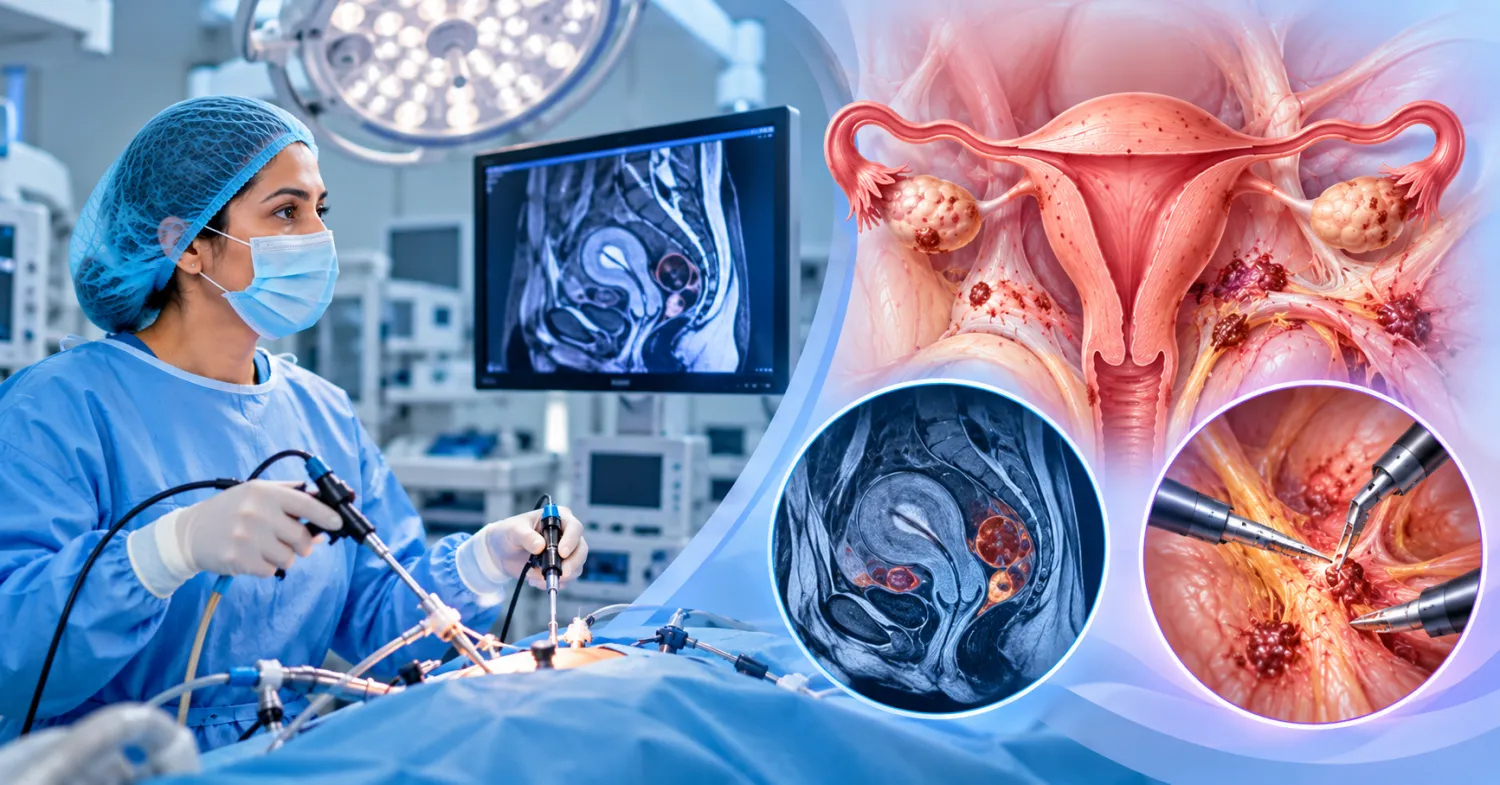
Pelvic MRI can be particularly useful when deep endometriosis is suspected.
It may help assess disease involving areas such as:
- bowel
- bladder
- ureters
- vagina
- rectovaginal region
- uterosacral ligaments
- ovaries
MRI can also assist with preoperative mapping.
This can help the surgical team anticipate the complexity of an operation and determine whether other specialists may need to participate.
Importantly, imaging should ideally be interpreted by professionals experienced in gynaecological imaging and endometriosis.
Can You Have Endometriosis Even if Ultrasound and MRI Are Normal?
Yes.
Normal imaging does not completely rule out endometriosis.
Some forms of superficial disease can be difficult to detect using imaging.
This is why diagnosis should consider symptoms, examination, imaging and the overall clinical picture rather than relying on one scan alone.
Is Laparoscopy Needed to Diagnose Endometriosis?
The approach to diagnosis has evolved.
Historically, laparoscopy was often described as the definitive way to diagnose endometriosis.
Today, appropriate clinical assessment and specialist imaging can allow many patients to begin treatment without undergoing diagnostic surgery solely to prove that endometriosis exists.
However, laparoscopy may still be considered in selected circumstances, including when symptoms remain strongly suggestive despite normal imaging or when surgery is being considered for treatment.
How Is Deep Endometriosis Treated?
Treatment is individualised.
Options can include:
- pain-relieving medication
- hormonal treatment
- surgery
- fertility treatment
- multidisciplinary pain management
- combinations of these approaches
Having deep endometriosis does not automatically mean surgery is required.
Treatment should consider both disease anatomy and what matters most to the patient.
When Is Surgery Considered for Deep Endometriosis?
Surgery may be considered when:
- symptoms remain severe despite appropriate treatment
- quality of life is significantly affected
- an organ is functionally compromised
- significant bowel or urinary tract disease is present
- fertility considerations make surgery appropriate
- there is another clear clinical indication for operative treatment
The potential benefits of surgery should always be weighed against its risks.
What Is Deep Infiltrating Endometriosis Excision Surgery?
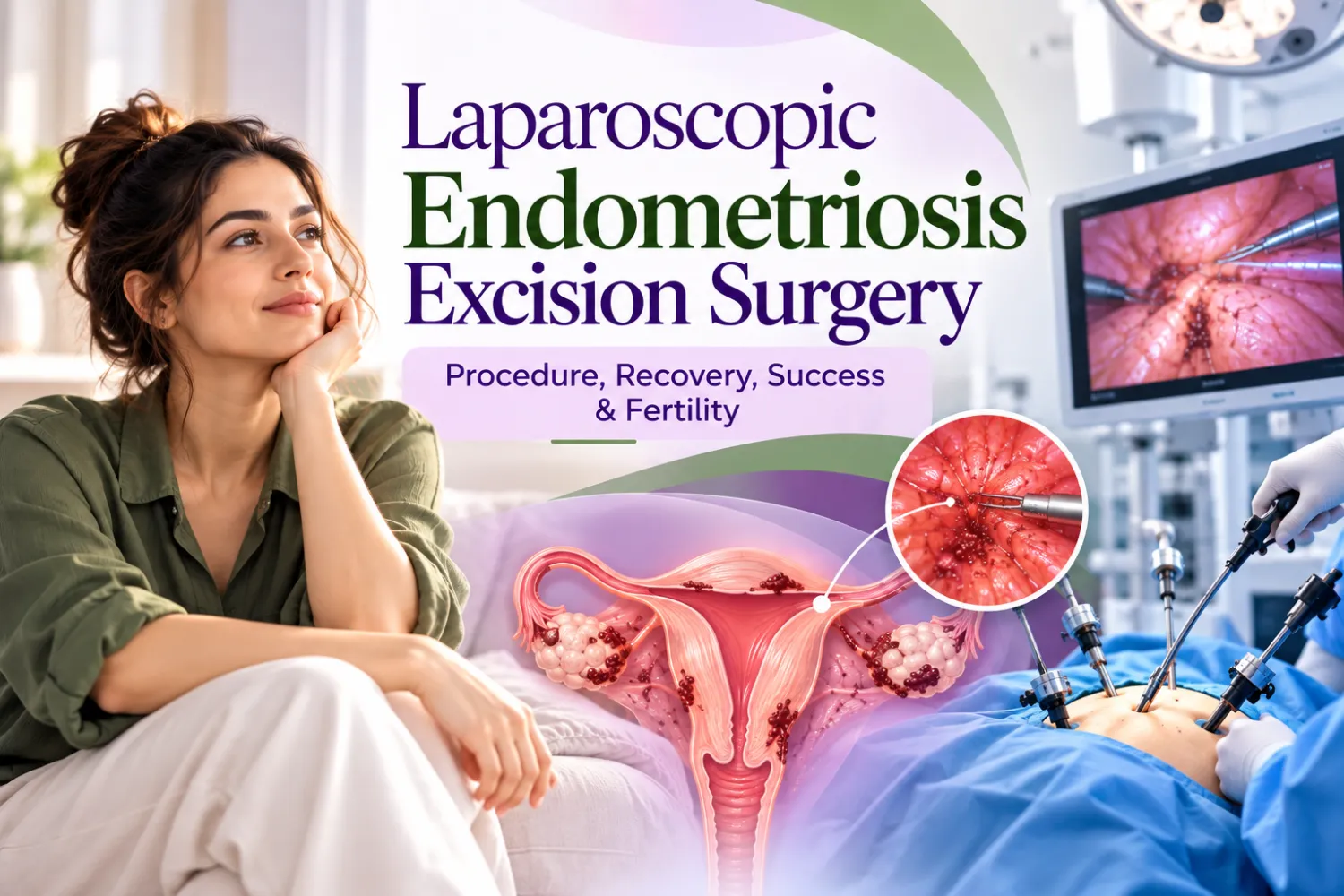
Excision surgery involves surgically removing identified endometriotic disease.
For deep endometriosis, this can require careful dissection around normal organs and tissues.
The objective is not simply to remove as much tissue as possible.
The goal is to treat clinically relevant disease while protecting healthy structures and organ function.
Depending on disease location, surgery may involve:
- excision of pelvic lesions
- adhesiolysis
- ovarian endometrioma surgery
- ureterolysis
- bladder surgery
- rectovaginal disease excision
- bowel procedures
- restoration of pelvic anatomy
The exact procedure differs considerably between patients.
Laparoscopic Surgery for Deep Endometriosis
Laparoscopic endometriosis surgery is performed through small abdominal incisions using a camera and specialised instruments.
It allows the surgeon to inspect the pelvis under magnification and perform complex dissection without a large abdominal incision in appropriately selected cases.
Minimally invasive surgery is widely used for endometriosis.
The difficulty of an operation, however, is determined by the disease rather than simply by the size of the incisions.
Complex deep endometriosis can still represent major surgery even when performed laparoscopically.
Robotic Surgery for Deep Infiltrating Endometriosis
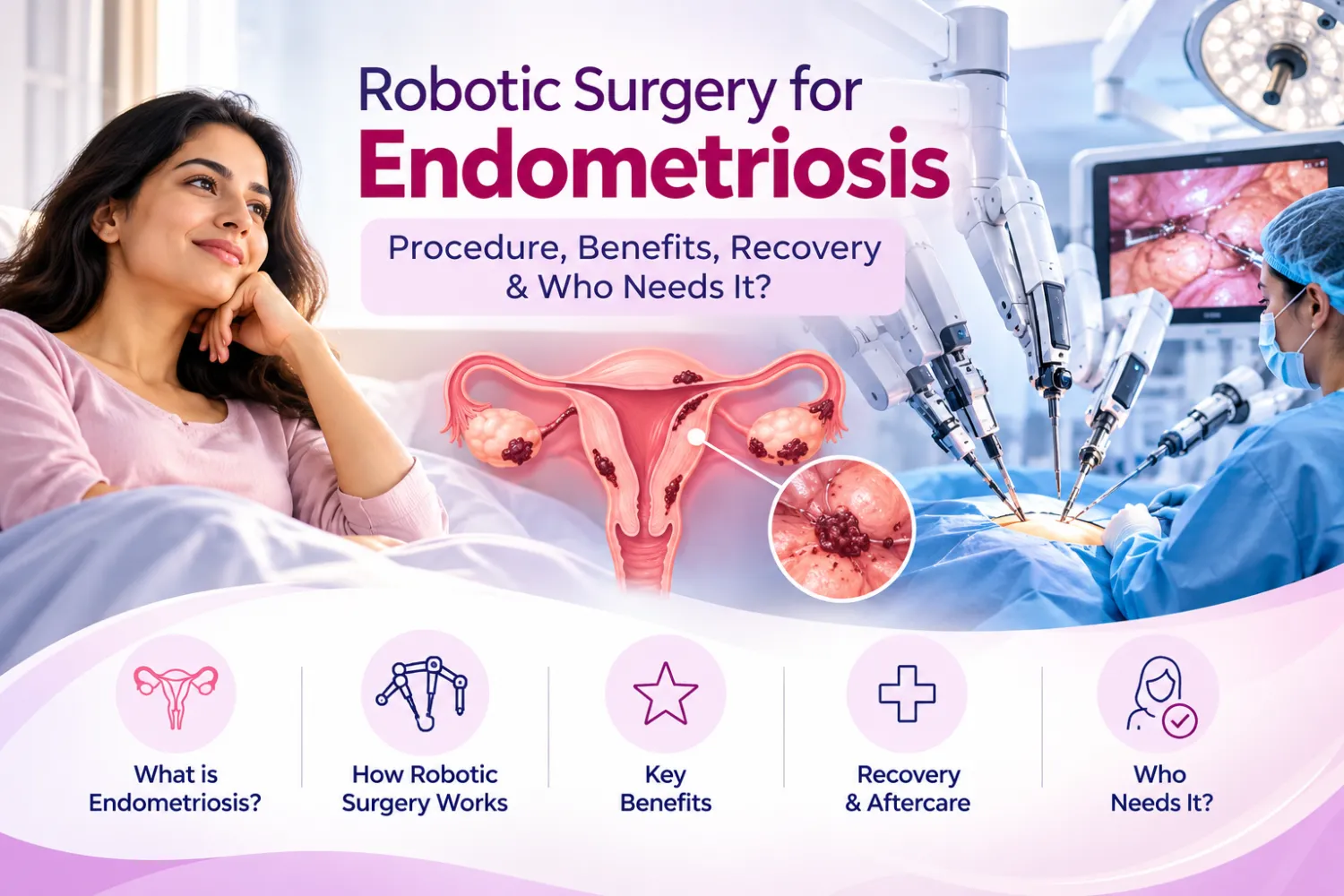
Robotic surgery for deep endometriosis is another minimally invasive approach.
The surgeon controls robotic instruments from a console.
Potential technical features include:
- magnified three-dimensional vision
- articulated instruments
- precise movement
- improved access at difficult pelvic angles
- surgeon ergonomics during lengthy procedures
These features may be useful in selected complex cases.
However, robotic surgery is not automatically superior to conventional laparoscopy.
An experienced laparoscopic surgeon can manage many complex endometriosis cases effectively.
The appropriate surgical platform should therefore be chosen according to disease characteristics and surgical expertise rather than simply because robotic technology is available.
Why Is Multidisciplinary Surgery Important?
Deep endometriosis can cross traditional boundaries between medical specialties.
A patient may simultaneously have gynaecological, bowel and urinary tract involvement.
Depending on disease location, the surgical team may include:
- advanced gynaecological surgeon
- colorectal surgeon
- urologist
- radiologist
- fertility specialist
- pain specialist
Not every patient needs all these specialists.
The advantage of multidisciplinary planning is that the necessary expertise can be available when complex organ involvement is identified.
Can Deep Endometriosis Surgery Preserve the Uterus?
Yes.
Deep endometriosis surgery does not automatically require hysterectomy.
Many procedures can be performed while preserving the uterus, particularly when fertility is desired.
The ovaries can also often be preserved.
Whether hysterectomy is appropriate depends on individual circumstances, associated uterine disease, symptoms, age and reproductive plans.
Importantly, removing the uterus does not automatically eliminate endometriosis elsewhere in the pelvis.
Does Deep Endometriosis Surgery Improve Fertility?
It may in selected patients, but surgery should not be presented as a guaranteed fertility treatment.
The decision is influenced by:
- age
- ovarian reserve
- duration of infertility
- location of disease
- ovarian endometriomas
- fallopian tube function
- previous surgery
- other infertility factors
- partner fertility factors
- likelihood of spontaneous conception
- possible need for IVF
For some women, surgery may improve the opportunity for natural conception.
For others, assisted reproductive treatment may be more appropriate.
The treatment plan should therefore be individualised rather than based simply on the presence of deep disease.
Deep Endometriosis and Ovarian Reserve
This becomes particularly important when the ovaries are affected.
Surgery for ovarian endometriomas can potentially reduce ovarian reserve because healthy ovarian tissue may be affected during cyst removal.
Women with previous ovarian surgery, bilateral endometriomas or reduced ovarian reserve require particularly careful planning.
When future pregnancy matters, fertility goals should be discussed before surgery, not after it.
What Are the Risks of Deep Endometriosis Surgery?
The risks depend heavily on where the disease is located and what procedures are required.
Potential complications can include:
- bleeding
- infection
- anaesthetic complications
- blood clots
- bowel injury
- bladder injury
- ureteric injury
- nerve or blood-vessel injury
- urinary problems
- bowel complications
- effects on ovarian reserve
- adhesions
- need for additional procedures
- conversion to open surgery in uncommon circumstances
- persistence or recurrence of symptoms
The risk profile of superficial endometriosis surgery cannot be directly compared with complex bowel or urinary tract surgery.
Patients should therefore receive a personalised explanation of the anticipated risks and benefits.
Recovery After Deep Endometriosis Surgery
Recovery varies considerably.
After minimally invasive surgery, temporary symptoms may include:
- abdominal discomfort
- bloating
- fatigue
- incision soreness
- mild vaginal bleeding
- altered bowel habits
- shoulder-tip discomfort from gas used during laparoscopy
Recovery after bowel, bladder or ureteric surgery may take longer.
Hospital stay and return to work depend on the extent of surgery and individual recovery.
The term “keyhole surgery” should therefore not be interpreted as meaning every endometriosis operation is minor.
Can Deep Endometriosis Come Back After Surgery?
Yes.
Endometriosis is a chronic condition.
Even after carefully performed surgery, symptoms or disease can recur.
Recurrence may be influenced by multiple factors, including:
- age
- disease pattern
- extent of disease
- postoperative management
- hormonal factors
- individual biology
For women not immediately seeking pregnancy, postoperative hormonal treatment may sometimes be considered to help maintain symptom control.
Surgery should therefore form part of a longer-term management strategy rather than being viewed as a guaranteed permanent cure.
Cost of Deep Infiltrating Endometriosis Surgery in India
The cost of deep infiltrating endometriosis surgery in India can vary considerably because there is no single standard operation.
Cost may depend on:
- location of disease
- number of organs involved
- complexity of surgery
- laparoscopic or robotic approach
- ovarian endometrioma treatment
- bowel surgery
- bladder or ureteric procedures
- multidisciplinary surgical involvement
- duration of surgery
- hospital category
- surgical consumables
- room category
- length of hospital stay
- insurance coverage
For this reason, quoting one universal endometriosis surgery cost in India can be misleading.
A meaningful estimate is usually possible only after the patient’s clinical assessment and imaging have established what procedure may actually be required.
How to Find the Best Endometriosis Surgeon in India for Deep Endometriosis
Patients with complex disease commonly search for the best endometriosis surgeon in India, best endometriosis surgeon in Delhi or deep endometriosis specialist in India.
Rather than relying solely on the word “best,” patients should evaluate the expertise relevant to their particular disease.
Important considerations include:
Experience With Complex Endometriosis
Does the surgeon regularly manage deep endometriosis rather than only uncomplicated ovarian cysts?
Advanced Minimally Invasive Surgical Expertise
Complex pelvic surgery may require advanced laparoscopic and/or robotic surgical skills.
Experience With Bowel, Bladder and Ureteric Disease
Deep endometriosis involving these structures requires additional planning and expertise.
Access to a Multidisciplinary Team
A centre capable of involving colorectal or urological specialists when necessary can be important for complex disease.
Fertility-Preserving Decision-Making
For women planning pregnancy, treatment should consider ovarian reserve and reproductive goals.
Individualised Treatment
An experienced endometriosis specialist should be able to explain when not to operate as well as when surgery is appropriate.
Questions to Ask Before Deep Endometriosis Surgery
Before proceeding with surgery, patients may want to ask:
- Where exactly is my endometriosis located?
- Is my disease considered deep endometriosis?
- Is my bowel involved?
- Is my bladder or ureter involved?
- Do I need surgery now?
- What are the alternatives to surgery?
- What exactly will be removed during surgery?
- Will you perform excision or another technique?
- Is conventional laparoscopy or robotic surgery appropriate?
- Could my ovaries be affected?
- How might surgery affect my fertility?
- Will a colorectal surgeon or urologist be required?
- What are the specific risks in my case?
- What is the expected recovery?
- What is the likelihood that symptoms could return?
Frequently Asked Questions About Deep Infiltrating Endometriosis
Is deep infiltrating endometriosis serious?
Deep endometriosis can be clinically significant, particularly when it causes severe symptoms or affects organs such as the bowel, bladder or ureters. However, the seriousness and treatment requirements vary considerably between patients.
Is deep endometriosis cancer?
No. Endometriosis is a benign disease and deep endometriosis is not itself cancer. Any unusual or concerning mass should nevertheless be appropriately evaluated.
Can deep endometriosis be seen on ultrasound?
Specialist transvaginal ultrasound can identify many forms of deep endometriosis. The quality and expertise behind the scan are important. A normal ultrasound does not completely exclude endometriosis.
Is MRI better for deep endometriosis?
MRI can be particularly useful for mapping suspected deep disease and surgical planning. Ultrasound and MRI can be complementary rather than competing tests.
Does bowel endometriosis always require bowel removal?
No. The surgical approach depends on the depth, size and location of the lesion. Some patients do not require surgery at all, and not every patient undergoing surgery requires bowel resection.
Can deep endometriosis affect the kidneys?
Endometriosis involving the ureter can potentially obstruct urine flow from a kidney. This is why suspected urinary tract disease requires appropriate assessment.
Can deep endometriosis be treated without surgery?
Yes, in selected patients. Hormonal treatment and other approaches may control symptoms. Surgery is considered according to symptoms, organ involvement, fertility goals and individual circumstances.
Is robotic surgery better for deep endometriosis?
Robotic systems can provide technical advantages during complex pelvic dissection, but they have not made expert conventional laparoscopy obsolete. The surgeon’s expertise and appropriate case selection remain central.
Can deep endometriosis return after surgery?
Yes. Endometriosis is chronic, and recurrence of symptoms or lesions can occur even after surgery.
Can I become pregnant with deep endometriosis?
Yes. Some women with deep endometriosis conceive naturally, while others may benefit from surgery, IVF or other fertility treatment. The appropriate pathway depends on individual fertility factors.
Deep Infiltrating Endometriosis Treatment in Delhi
Women seeking deep infiltrating endometriosis treatment in Delhi should ideally receive more than a routine pelvic assessment.
Complex endometriosis requires answering three separate questions:
Where is the disease?
What problems is it causing?
What treatment provides the best balance of benefit and risk for this patient?
That may involve specialist ultrasound or MRI, fertility assessment, medical treatment, advanced laparoscopic surgery, robotic-assisted surgery or multidisciplinary surgical management.
The objective should not simply be to perform the largest possible operation.
The objective is to treat clinically relevant disease while preserving healthy organs and respecting the patient’s fertility goals and long-term quality of life.
About Dr Usha M Kumar
Dr Usha M Kumar is a senior gynaecologist with extensive experience in minimally invasive gynaecological surgery, including advanced laparoscopic and robotic procedures.
Her approach to suspected or confirmed endometriosis focuses on careful assessment of symptoms, disease location and complexity, previous treatment and reproductive goals before deciding on surgery.
Patients with ovarian endometriomas, recurrent endometriosis or suspected deep disease involving the bowel, bladder, ureters or other pelvic structures may require detailed preoperative assessment and multidisciplinary planning.
For women searching for an experienced endometriosis surgeon in Delhi or India, the important consideration is not simply access to advanced surgical technology. It is whether the treatment plan combines accurate diagnosis, appropriate surgical expertise, fertility considerations and long-term disease management.
In complex endometriosis, the quality of surgical planning can be just as important as the surgery itself.