




Posted By: Dr. Usha M Kumar on 06 Oct 2026
One of the most common questions women ask after endometriosis surgery is:
“Can my endometriosis come back?”
The short answer is yes, endometriosis can recur after surgery.
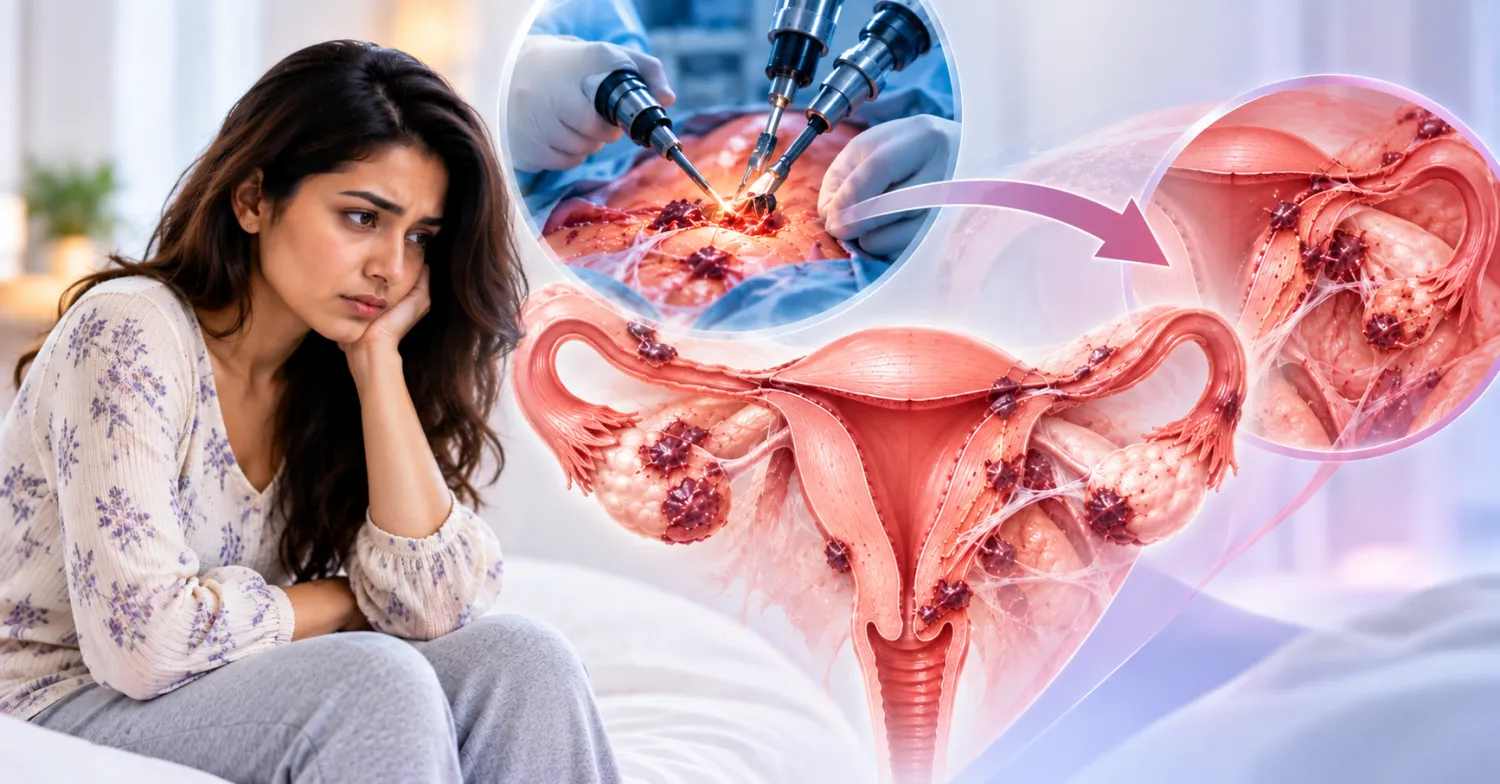
Surgery can remove or treat visible endometriotic disease, restore anatomy and improve symptoms in appropriately selected patients. However, endometriosis is a chronic condition, and no operation can guarantee that symptoms or lesions will never return.
Recurrence also does not necessarily mean that the previous surgery “failed.”
Some women remain symptom-free for years after treatment. Others experience recurrent pelvic pain or develop new endometriotic lesions. The likelihood and pattern of recurrence depend on several factors, including the type and extent of disease, age, ovarian involvement, surgical treatment and postoperative management.
Understanding recurrence is therefore an important part of long-term endometriosis treatment.
This article explains why endometriosis can return after surgery, possible warning symptoms, recurrence after excision or ovarian endometrioma surgery, the role of postoperative hormonal treatment, fertility considerations and when repeat surgery may be appropriate.
What Does Endometriosis Recurrence Mean?
The term endometriosis recurrence can mean different things.
It may refer to:
- return of endometriosis-related symptoms
- development of new endometriotic lesions
- recurrence of an ovarian endometrioma
- endometriosis identified again on imaging
- endometriosis found during another operation
- need for additional medical or surgical treatment
These are not necessarily equivalent.
For example, a woman may develop pelvic pain after surgery without having recurrent endometriosis.
Conversely, imaging may detect an ovarian endometrioma in someone who has relatively few symptoms.
Therefore, recurrent symptoms should be properly evaluated rather than automatically labelled recurrent endometriosis.
Why Can Endometriosis Return After Surgery?
Endometriosis is a chronic biological disease, not simply an abnormal piece of tissue that can always be permanently removed.
Surgery treats disease that can be identified and safely addressed at that time.
It cannot necessarily prevent future biological processes associated with endometriosis.
Several explanations may contribute to apparent recurrence.
New Endometriotic Disease May Develop
New lesions can develop after previous treatment.
Microscopic Disease May Not Be Visible
Surgery relies heavily on identifying disease during an operation.
Microscopic abnormalities that cannot be seen may remain.
Some Disease May Be Unsafe to Remove Completely
Endometriosis can develop very close to important structures such as the bowel, bladder, ureters, nerves and major blood vessels.
In selected circumstances, aggressive removal of every abnormal-looking area could cause more harm than benefit.
Ovarian Endometriomas Can Recur
Women who have undergone surgery for an ovarian endometrioma or chocolate cyst may subsequently develop another endometrioma.
Symptoms May Have Another Cause
Not every episode of pelvic pain following endometriosis surgery represents recurrent disease.
This distinction is particularly important when deciding whether another operation is appropriate.
How Quickly Can Endometriosis Come Back After Surgery?
There is no universal timeline.
Recurrence can occur months or years after surgery, while many patients may have prolonged symptom improvement.
The likelihood of recurrence depends on multiple variables, making it inappropriate to tell an individual patient that endometriosis will return after a specific number of years.
Factors that may influence recurrence include:
- age
- disease pattern
- ovarian involvement
- previous operations
- type of surgical treatment
- postoperative hormonal management
- pregnancy plans
- individual biological factors
Long-term management therefore matters even after successful surgery.
What Are the Symptoms of Recurrent Endometriosis?
Symptoms may resemble those experienced before surgery.
Possible symptoms include:
- increasingly painful periods
- chronic pelvic pain
- pain during or after intercourse
- painful bowel movements
- cyclical bowel symptoms
- urinary discomfort
- lower back or pelvic pressure
- recurrent ovarian cysts
- difficulty becoming pregnant
However, symptoms can change after surgery.
A woman who previously experienced predominantly menstrual pain might later present with pain during intercourse or bowel symptoms.
Any significant or persistent recurrence of symptoms warrants assessment.
Does Pelvic Pain After Surgery Mean Endometriosis Has Returned?
No.
This is an important distinction.
Pelvic pain is complex and can have many causes.
After previous endometriosis surgery, pain may potentially arise from:
- recurrent endometriosis
- adenomyosis
- pelvic-floor muscle dysfunction
- adhesions
- ovarian cysts
- bladder disorders
- gastrointestinal conditions
- musculoskeletal problems
- neuropathic pain
- central sensitisation or altered pain processing
Therefore, performing repeat surgery solely because pain has returned may not always solve the problem.
The first step should be determining the most likely cause of symptoms.
Can Endometriosis Return After Excision Surgery?
Yes.
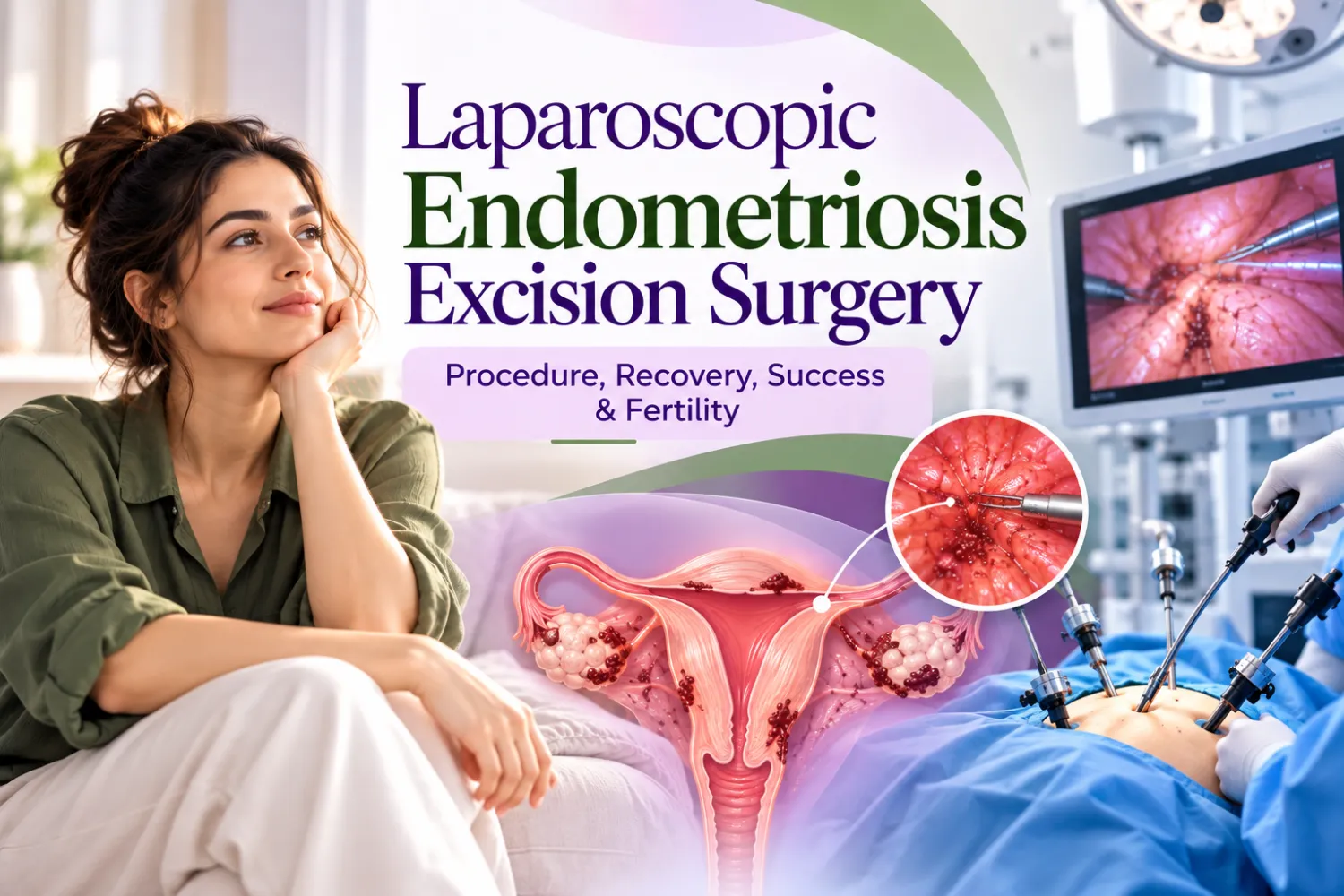
Endometriosis excision surgery involves removing identified endometriotic lesions.
Excision can be an important surgical technique, particularly for certain forms of deep disease.
However, it should not be marketed as a guaranteed permanent cure.
Even after technically successful excision:
- new disease can potentially develop
- microscopic disease may remain
- symptoms may recur
- ovarian endometriomas may recur
- pain may arise from another condition
The objective of excision is therefore appropriate treatment of identified disease—not a promise that a patient will never experience endometriosis again.
Does Excision Reduce Recurrence Compared With Ablation?
The answer depends on the type of endometriosis being treated.
For ovarian endometriomas, cystectomy is generally favoured over simple drainage and coagulation when surgery is indicated because it can reduce recurrence of the endometrioma and endometriosis-associated pain.
For superficial peritoneal endometriosis, evidence comparing excision and ablation is less definitive.
This is why the statement “excision always prevents recurrence better than ablation” is too simplistic.
Surgical technique should be selected according to lesion type, location, depth, fertility considerations and potential risks.
Can a Chocolate Cyst Come Back After Surgery?
Yes.
An ovarian endometrioma, commonly called a chocolate cyst, can recur following surgery.
Recurrence is especially important because repeated ovarian surgery can have implications for ovarian reserve.
If a woman develops another endometrioma after previous surgery, the decision should not automatically be:
“Operate again.”
Instead, the doctor should consider:
- age
- symptoms
- cyst size and appearance
- whether one or both ovaries are affected
- previous ovarian operations
- ovarian reserve
- fertility plans
- whether IVF is being considered
- potential benefit of another operation
Repeat ovarian surgery deserves careful consideration.
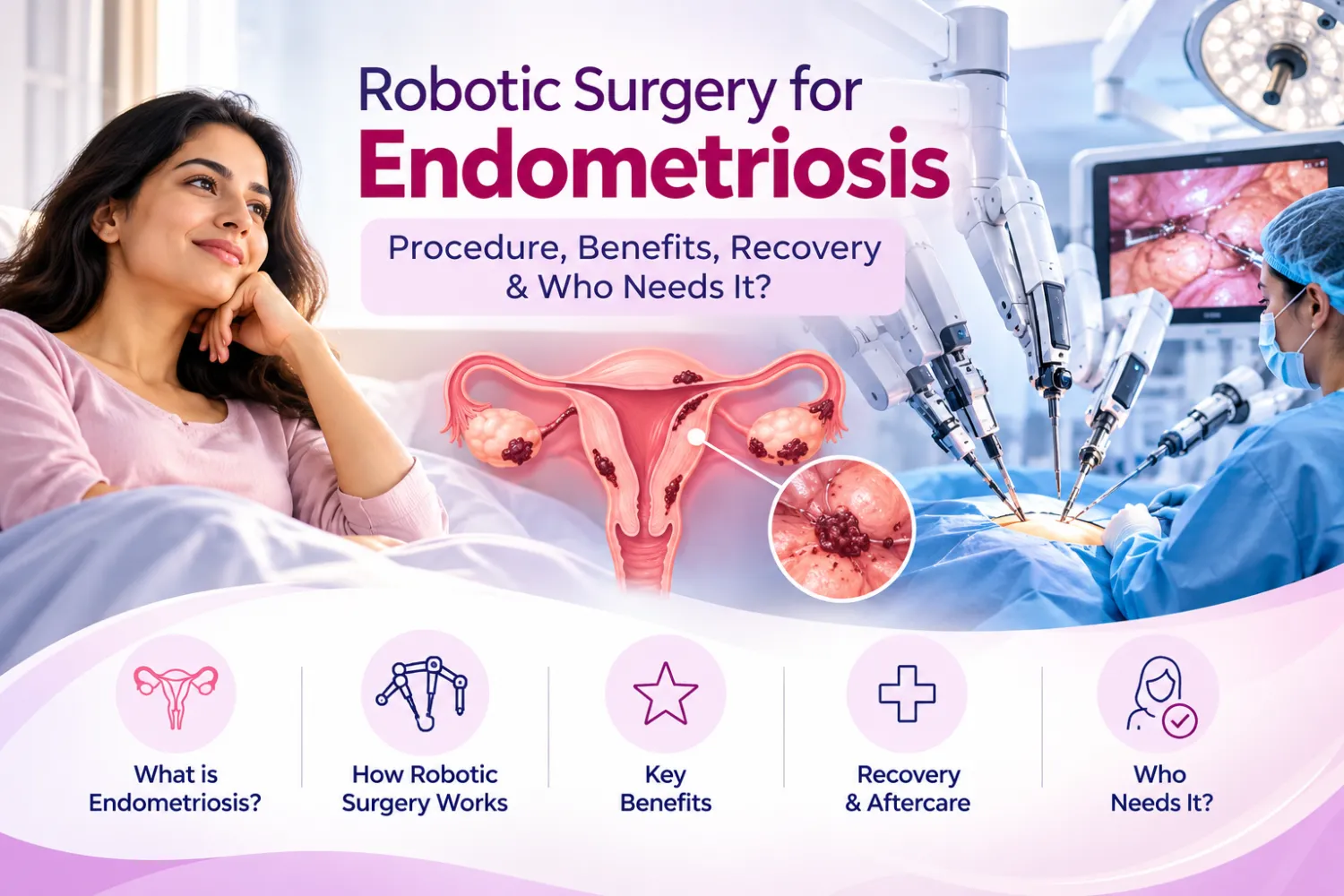
Can Endometriosis Return After Robotic Surgery?
Yes.
Robotic surgery is a surgical platform; it does not change the underlying chronic biology of endometriosis.
Although robotic technology offers technical features such as magnified three-dimensional vision and articulated instruments, it cannot guarantee that endometriosis will never recur.
Similarly, conventional laparoscopic surgery cannot guarantee permanent freedom from disease.
The long-term outcome depends on much more than whether the operation was performed robotically or laparoscopically.
Can Stage 4 Endometriosis Come Back After Surgery?
Yes.
Patients with extensive disease can experience recurrence following treatment.
However, recurrence cannot be predicted simply from a stage number.
Advanced endometriosis may involve:
- severe adhesions
- ovarian endometriomas
- deep pelvic disease
- bowel involvement
- bladder involvement
- ureteric disease
- distorted pelvic anatomy
Follow-up and postoperative management should therefore be individualised according to the actual pattern of disease.
Can Deep Infiltrating Endometriosis Recur?
Yes.
Deep endometriosis can recur or remain symptomatic after surgery.
However, recurrent symptoms following complex surgery should be evaluated carefully before another operation is considered.
This is particularly important when previous surgery involved the:
- bowel
- bladder
- ureters
- vagina
- rectovaginal region
- pelvic nerves
Repeat surgery can be technically more difficult because normal anatomy may have been altered by the original disease, previous surgery and postoperative adhesions.
Can Endometriosis Return After Hysterectomy?
This is one of the most misunderstood aspects of endometriosis.
Yes, endometriosis-related disease or symptoms can persist or recur after hysterectomy.
A hysterectomy removes the uterus.
Endometriosis, however, occurs outside the uterus.
If endometriotic disease exists elsewhere in the pelvis, removing the uterus alone does not automatically remove those lesions.
This is why hysterectomy should not be described as a universal cure for endometriosis.
It may be considered in selected patients who have completed their family and have appropriate clinical indications, particularly when other uterine conditions coexist.
But the decision needs careful counselling.
Can Endometriosis Return After Removal of the Ovaries?
Removal of both ovaries substantially changes the hormonal environment, but it still should not be presented as an absolute guarantee that endometriosis-related symptoms can never persist.
Removing ovaries also has major long-term implications because it causes surgical menopause in a premenopausal woman.
Therefore, removal of healthy ovaries purely to “prevent endometriosis forever” requires very careful consideration of risks, benefits, age and individual circumstances.
What Factors May Increase the Risk of Recurrence?
No single factor predicts recurrence perfectly.
Potential influences include:
Younger Age
Younger women have more reproductive years ahead during which disease or symptoms may recur.
Ovarian Endometriomas
Ovarian disease can recur following treatment.
Extensive Disease
More widespread disease can make complete surgical treatment technically more complex.
Incomplete Treatment Where Necessary for Safety
In selected cases, disease close to critical structures may not be appropriate to remove aggressively.
No Postoperative Hormonal Suppression
For women not immediately attempting pregnancy, postoperative hormonal treatment may reduce recurrence of symptoms or disease in appropriate circumstances.
Individual Disease Biology
Endometriosis behaves differently between individuals, which partly explains why two women undergoing similar procedures can have very different long-term outcomes.
Can Endometriosis Recurrence Be Prevented?
It may be possible to reduce the risk or delay recurrence, but no strategy guarantees that endometriosis will never return.
Long-term management may include:
- appropriate initial surgery
- postoperative hormonal treatment where indicated
- regular follow-up
- assessment of recurrent symptoms
- fertility planning
- avoiding unnecessary repeated surgery
- management of other contributors to pelvic pain
Treatment should be personalised.
Role of Hormonal Treatment After Endometriosis Surgery
For women who are not immediately trying to become pregnant, hormonal treatment may be recommended after surgery in appropriate circumstances.
Options can include:
- combined hormonal contraceptives
- progestogen-based treatment
- levonorgestrel-releasing intrauterine system
- other hormonal therapies in selected patients
The objective is to suppress hormonal stimulation associated with endometriosis and help maintain symptom control.
The choice depends on:
- symptoms
- medical history
- age
- side-effect profile
- contraindications
- fertility plans
- patient preference
Postoperative medication should therefore be individualised rather than routinely prescribed in exactly the same way to every patient.
Why Fertility Plans Change Post-Surgery Treatment
This is particularly important.
A woman trying to conceive immediately after surgery usually cannot follow the same hormonal suppression strategy as someone who does not plan pregnancy for several years.
Therefore, after endometriosis surgery, one of the first questions should be:
“Are you planning pregnancy now, later, or not at all?”
That answer can significantly influence postoperative management.
Can Pregnancy Prevent Endometriosis From Returning?
Pregnancy should not be prescribed as a treatment or “cure” for endometriosis.
Symptoms may change during pregnancy because of hormonal changes, but pregnancy does not guarantee permanent elimination of endometriosis.
Women should make decisions about pregnancy based on their reproductive wishes, not because they have been told that becoming pregnant will cure their disease.
Does Diet Prevent Endometriosis Recurrence?
There is currently no specific diet proven to guarantee prevention of endometriosis recurrence.
A balanced diet, regular physical activity, adequate sleep and overall health are valuable for general wellbeing, but they should not be marketed as replacements for evidence-based endometriosis treatment.
Patients should be cautious about claims that a particular food, detox programme or supplement can permanently eliminate endometriosis.
Can Exercise Stop Endometriosis From Coming Back?
Exercise has many health benefits and may support overall physical and psychological wellbeing.
However, there is insufficient evidence to claim that exercise alone prevents endometriotic lesions from recurring.
It can form part of a healthy long-term management strategy without being presented as a cure.
How Is Recurrent Endometriosis Diagnosed?
Evaluation may include:
Detailed Symptom Review
The doctor will assess whether symptoms resemble previous endometriosis or suggest another condition.
Clinical Examination
A pelvic examination may provide additional information in appropriate patients.
Transvaginal Ultrasound
Specialist ultrasound can identify:
- recurrent endometriomas
- some forms of deep disease
- other pelvic abnormalities
MRI
MRI may be useful when recurrent deep disease is suspected or complex anatomy needs mapping.
Importantly, normal imaging does not completely exclude endometriosis.
Do You Need Another Laparoscopy to Diagnose Recurrence?
Not necessarily.
Modern management does not require every patient with recurrent symptoms to undergo diagnostic laparoscopy.
Clinical assessment and imaging can often guide treatment.
Surgery should generally have a therapeutic objective rather than being performed automatically every time symptoms return.
When Is Repeat Endometriosis Surgery Needed?
Repeat surgery may be considered in selected circumstances, including:
- significant symptoms despite appropriate medical treatment
- recurrent endometrioma requiring intervention
- deep disease causing substantial symptoms
- bowel or urinary tract compromise
- fertility-related indications in selected patients
- another clear surgical indication
However, repeat surgery requires careful consideration.
The question should not simply be:
“Has the endometriosis returned?”
It should be:
“Will another operation meaningfully improve this patient’s outcome?”
Why Should Repeated Ovarian Surgery Be Considered Carefully?
This is especially important for women with recurrent chocolate cysts.
Every ovarian operation has the potential to affect healthy ovarian tissue.
Repeated endometrioma surgery may therefore have implications for ovarian reserve.
Before another ovarian procedure, clinicians should consider:
- age
- AMH or other ovarian-reserve assessment when appropriate
- previous operations
- whether disease is unilateral or bilateral
- symptoms
- fertility plans
- IVF plans
- alternatives to surgery
For a woman hoping to become pregnant, protecting ovarian function may sometimes be more important than repeatedly removing every recurrent cyst.
Repeat Surgery vs IVF: Which Is Better?
There is no universal answer.
For women experiencing infertility after previous endometriosis surgery, another operation is not automatically required before IVF.
The decision can depend on:
- age
- ovarian reserve
- duration of infertility
- severity of symptoms
- location of recurrent disease
- previous surgery
- fallopian tube function
- partner fertility factors
- previous fertility treatment
Sometimes surgery is appropriate.
In other circumstances, proceeding with assisted reproductive treatment may provide a better balance between potential benefit and delay.
This decision should ideally involve both endometriosis and fertility expertise.
What Are the Risks of Repeat Endometriosis Surgery?
Repeat surgery can sometimes be more technically challenging than a first operation.
Possible reasons include:
- postoperative adhesions
- distorted anatomy
- previous removal of tissue
- recurrent deep disease
- previous bowel or urinary tract surgery
Potential surgical risks depend on the procedure but can include:
- bleeding
- infection
- bowel injury
- bladder injury
- ureteric injury
- blood-vessel or nerve injury
- further adhesions
- effects on ovarian reserve
- persistence of pain
- further recurrence
This does not mean repeat surgery should never be performed.
It means the expected benefit should justify the additional intervention.
How to Choose an Endometriosis Surgeon for Recurrent Disease
Women with recurrent symptoms frequently search for the best endometriosis surgeon in India or best endometriosis surgeon in Delhi.
Recurrent disease requires particularly thoughtful assessment.
Rather than relying solely on promotional rankings, consider whether the surgeon:
- regularly treats endometriosis
- manages recurrent and complex disease
- has advanced laparoscopic and/or robotic experience
- considers alternatives to repeat surgery
- understands ovarian-reserve implications
- incorporates fertility plans
- works with colorectal or urological specialists when needed
- offers long-term management rather than surgery alone
A good endometriosis specialist should be comfortable recommending against another operation when the expected benefit is low.
Cost of Repeat Endometriosis Surgery in India
The cost of endometriosis surgery in India varies substantially, and repeat surgery can sometimes be more complex than an initial operation.
Factors affecting cost can include:
- location and extent of recurrent disease
- ovarian involvement
- previous operations
- laparoscopic or robotic approach
- bowel involvement
- bladder or ureteric involvement
- need for multidisciplinary surgeons
- duration of surgery
- hospital category
- surgical consumables
- room selection
- length of hospital stay
- insurance coverage
Therefore, quoting a single standard endometriosis surgery cost in India without reviewing the patient’s condition can be misleading.
A meaningful estimate should follow clinical assessment and appropriate imaging.
Frequently Asked Questions About Endometriosis Recurrence
Can endometriosis come back after surgery?
Yes. Endometriosis is a chronic condition, and symptoms or lesions can recur after surgery. The timing and likelihood vary between individuals.
How quickly can endometriosis grow back after surgery?
There is no fixed timeline. Recurrence may occur months or years later, while some women experience prolonged symptom control.
Can endometriosis come back after excision?
Yes. Excision removes identified disease but cannot guarantee that new lesions or symptoms will never develop.
Can a chocolate cyst come back after surgery?
Yes. Ovarian endometriomas can recur. Repeat ovarian surgery should be considered carefully, particularly when fertility and ovarian reserve are important.
Can endometriosis return after robotic surgery?
Yes. Robotic surgery is a minimally invasive surgical platform and does not eliminate the biological possibility of recurrence.
Can endometriosis return after hysterectomy?
Yes. A hysterectomy removes the uterus, whereas endometriosis exists outside the uterus. Residual or recurrent disease and symptoms are therefore possible.
Does Stage 4 endometriosis come back?
It can. However, recurrence risk cannot be predicted solely from the stage of disease.
Does pregnancy cure endometriosis?
No. Pregnancy can temporarily alter symptoms but should not be regarded as a cure for endometriosis.
Can hormonal treatment prevent recurrence?
Postoperative hormonal treatment can help reduce recurrence of symptoms or disease in appropriately selected women who are not immediately trying to conceive. It does not guarantee that endometriosis will never return.
Does recurrent endometriosis always require surgery?
No. Treatment may include observation, hormonal therapy, pain management, fertility treatment or surgery depending on symptoms and individual circumstances.
Should recurrent endometriosis be operated on before IVF?
Not automatically. Age, ovarian reserve, symptoms, disease location and previous surgery should all be considered before deciding between repeat surgery and assisted reproduction.
Endometriosis Recurrence Treatment in Delhi
For women experiencing symptoms after previous endometriosis surgery in Delhi or elsewhere, the first objective should be to determine what is causing those symptoms rather than immediately scheduling another operation.
Evaluation may include:
- review of previous surgical records
- assessment of current symptoms
- specialist ultrasound
- MRI where appropriate
- ovarian-reserve assessment when fertility matters
- fertility evaluation
- multidisciplinary assessment for complex disease
The treatment may then involve hormonal therapy, fertility treatment, pain management, repeat laparoscopic or robotic surgery, or another individualised approach.
The return of pain does not automatically mean another operation is necessary.
That distinction is central to responsible long-term endometriosis care.
About Dr Usha M Kumar
Dr Usha M Kumar is a senior gynaecologist with extensive experience in minimally invasive gynaecological surgery, including advanced laparoscopic and robotic procedures.
Her approach to endometriosis focuses not only on surgical treatment but also on appropriate patient selection, preservation of reproductive function where relevant and long-term management.
Women experiencing recurrent symptoms following previous endometriosis surgery can benefit from reassessment to determine whether symptoms are related to recurrent disease, ovarian endometriomas, adhesions or another cause.
For patients searching for an experienced endometriosis surgeon in Delhi or India, particularly after previous surgery, the important question is not simply whether another operation can be performed.
It is whether another operation should be performed.
The aim should always be to achieve the best balance between symptom control, disease management, fertility preservation, avoidance of unnecessary repeat surgery and long-term quality of life.