





Posted By: Dr. Usha M Kumar on 08 Nov 2026
Walk through any office in Nehru Place, Okhla or Saket on a Monday morning and you will see a workforce that is younger, more qualified and more female than it was a decade ago. What you will not see is the quiet health trouble many of those women are carrying: heavy periods they have learned to plan meetings around, pelvic pain they put down to stress, a Pap test they keep postponing because there is never a free afternoon.
This is where a corporate well-women health programme earns its place. It is not a perk or a poster on the pantry wall. Done properly, it is a practical way to catch problems early, help women get care without losing a day’s pay, and show employees that the company takes their health seriously. This article explains what such a programme involves, why it matters to Delhi employers, and how HR teams can set one up without turning it into a box-ticking exercise.
Why women’s health at work is an HR issue
Most workplace wellness plans focus on general check-ups, gym memberships and mental health days. Those are useful, but they often miss conditions that affect only women, or affect them differently. A few examples:
- Heavy or painful periods can cause fatigue, anaemia and unplanned leave. Many women never mention this at work, and some never mention it to a doctor either.
- PCOS (polycystic ovary syndrome) is common in women in their twenties and thirties and is linked with irregular cycles, weight changes, acne and a higher long-term risk of diabetes. Our guide to PCOS symptoms and treatment explains the signs in detail.
- Anaemia is widespread among Indian women and is often tied to heavy periods. It can quietly drain energy and concentration for years.
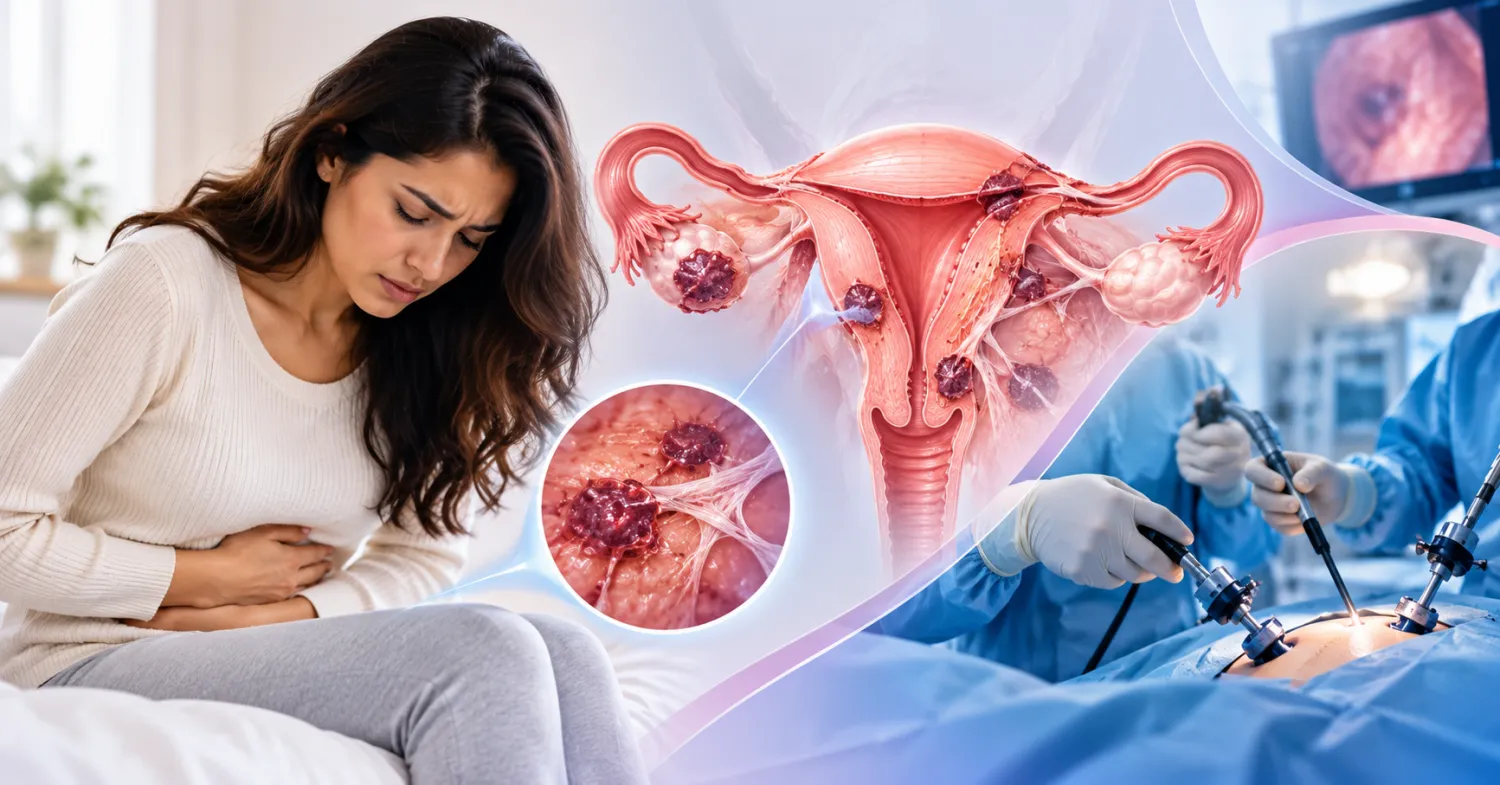
- Fibroids and endometriosis can cause pain, heavy bleeding and fertility problems, yet diagnosis is frequently delayed.
- Cervical and breast cancer can be detected early, or even prevented, with regular screening. Yet many women have never been screened.
- Perimenopause and menopause affect women in their forties and fifties, often at the peak of their careers, with symptoms such as hot flushes, poor sleep and mood changes.
These are not “private matters” that employers should stay away from. They influence energy, attendance, retention and morale. When a company creates a safe, confidential route to care, women use it.
What is a corporate well-women health programme?
It is a structured arrangement between an employer and a gynaecology team that brings women’s health education, screening and expert consultation to employees, either on campus or through the doctor’s clinic and hospital. Dr. Usha M Kumar offers a dedicated Corporate Well-Women Health Programme, which can be tailored to the size and needs of an organisation.
Though the details differ from company to company, a good programme usually brings together four things.
1. Awareness sessions
Short talks, in person or online, on topics such as periods, PCOS, fibroids, endometriosis, cervical cancer prevention, pregnancy planning and menopause. These sessions work best when women can ask questions freely, including anonymously. The goal is simple: to replace myths and embarrassment with accurate information.
2. Screening and health checks
A basic women’s health check may include a clinical examination, blood tests for haemoglobin, thyroid and blood sugar, a pelvic ultrasound where indicated, and cervical screening with a Pap smear or HPV test. Dr. Usha’s gynaecologic cancer screening programme is built around catching problems at the stage where they are easiest to treat. We cover which tests matter at which age in our guide to a health check-up for women over 40.
3. Confidential one-to-one consultations
Screening is only useful if there is a clear next step. Women whose results need attention should be able to speak with a gynaecologist privately, either at the clinic or through a telephone or video consultation, which suits employees who cannot easily take time off.
4. A pathway to treatment
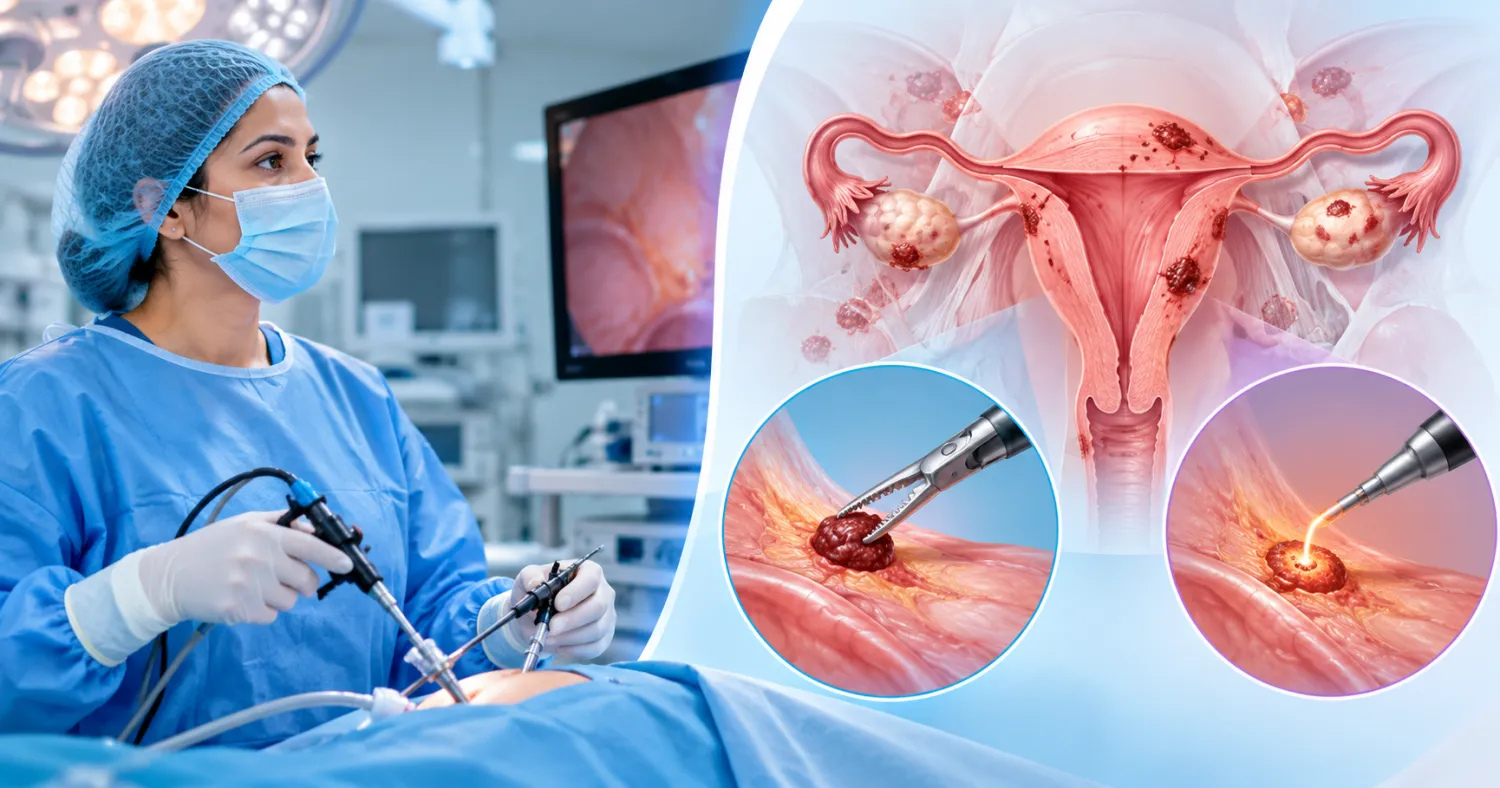
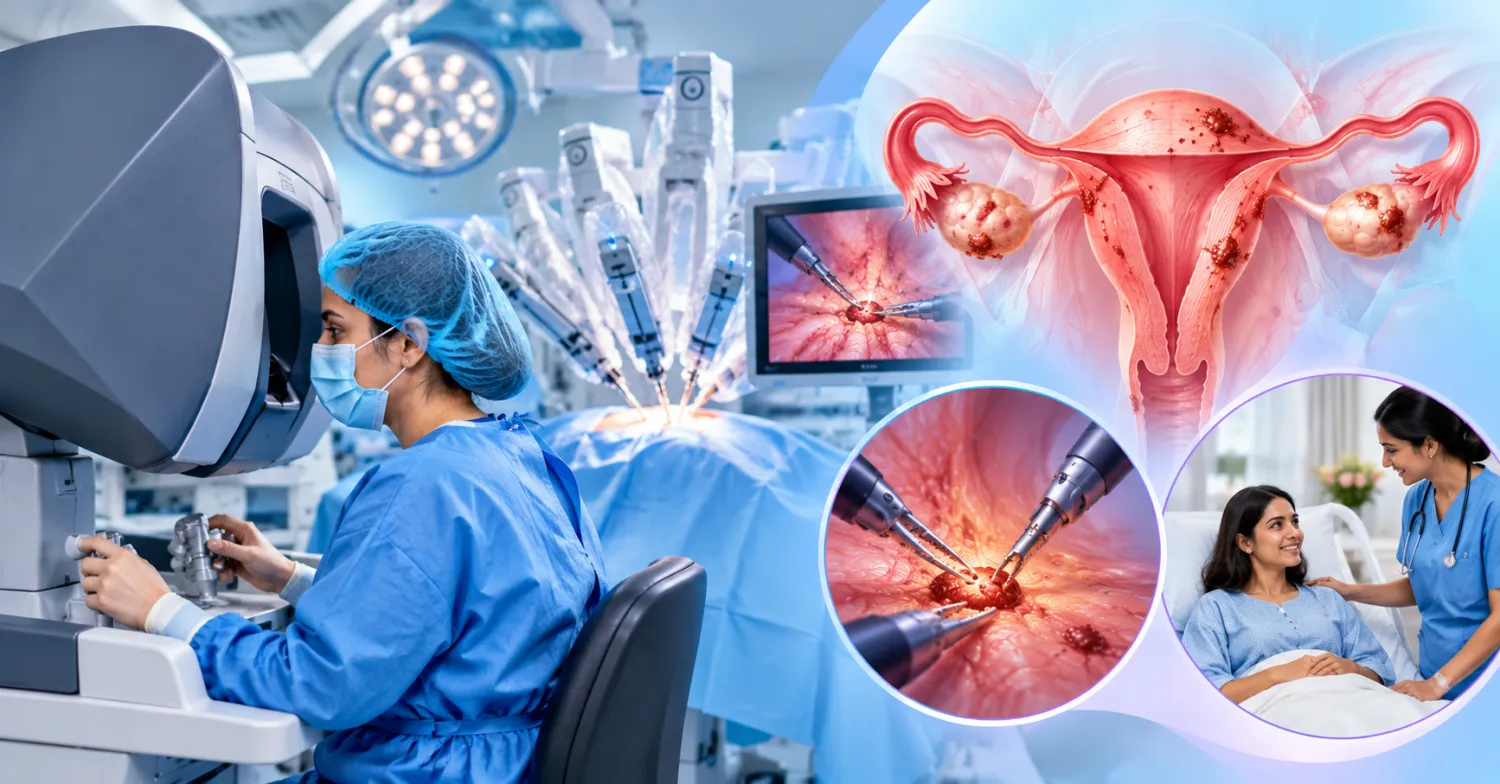
This is the part most programmes forget. If a screening finds fibroids, a cyst or an abnormal Pap result, the employee should know exactly where to go next. Dr. Usha’s practice covers fibroid treatment, hysteroscopy, laparoscopic and robotic surgery and gynaecologic oncology, so women do not get a diagnosis and then have to start looking for a doctor from scratch.
What employers gain
We should be careful not to overpromise numbers here, because every workplace is different. But the benefits employers commonly see are easy to understand.
Earlier detection. Conditions found at screening are usually simpler and cheaper to manage than those that arrive as emergencies.
Fewer unplanned absences. A woman whose heavy bleeding is treated, or whose anaemia is corrected, has more energy and fewer bad days.
Better retention. Women notice which employers take their needs seriously, especially around periods, pregnancy and menopause. These policies are increasingly part of how candidates compare companies.
A more open culture. When a company treats women’s health as a normal topic rather than a taboo, employees feel more comfortable asking for support.
Support for managers. Many managers are unsure how to respond when an employee mentions period pain or fertility treatment. A short briefing can help them respond kindly and appropriately.
How HR teams can set it up well
A programme succeeds or fails on its design. Here are practical steps that HR and admin teams in Delhi can follow.
- Start with a quick, anonymous survey. Ask what women would find most useful. Often the answers (period health, PCOS, menopause, screening) point to the right topics.
- Choose the format. Some companies prefer an on-site health day; others prefer awareness talks followed by appointments at the clinic. Smaller offices in Okhla or Nehru Place may find the second option easier.
- Protect privacy. Reports and consultations must stay between the employee and the doctor. Nobody in the company should see individual results.
- Make participation voluntary and easy. Offer time slots during working hours, and do not make attendance a requirement.
- Include everyone. Remember women across ages, from new joiners to those approaching menopause, and include contract and support staff where possible.
- Follow up. Provide a clear route for referrals and repeat visits, and consider an annual cycle rather than a one-time camp.
- Review quietly. Check participation and general feedback, never individual health data.
Common concerns, answered
“Will employees feel uncomfortable?” Some might at first, which is why confidentiality and a female doctor-led session matter. Voluntary participation and anonymous question boxes help a lot.
“Is it only for large companies?” No. A small firm can run a short awareness talk and offer discounted or arranged check-ups. The programme can be scaled to fit.
“Is this a substitute for insurance?” No. It complements it. Screening and awareness reduce the need for treatment, while insurance helps when treatment is needed.
“What about male employees?” Men benefit too, as partners, parents and colleagues. Some companies open part of the awareness sessions to everyone.
Bringing it together
A corporate well-women health programme is one of the more thoughtful things an employer can do. It treats women’s health as ordinary, important and worth planning for. For Delhi companies, in business hubs like Nehru Place, Okhla and Saket, it also means having a trusted specialist close at hand.
If you are an HR leader or business owner who would like to explore this, Dr. Usha M Kumar’s team can help you plan something that fits your workplace. You can read more about Dr. Usha, or book an appointment.
Disclaimer: This article is for general information and does not replace a personal medical consultation.