




Posted By: Dr. Usha M Kumar on 25 Oct 2026
Endometriosis can be far more than painful periods. For some women, the pain becomes severe enough to interfere with work, sleep, exercise, relationships and everyday activities. In others, endometriosis may affect the ovaries, fallopian tubes, bowel, bladder or other pelvic structures and may be associated with difficulty becoming pregnant.
While many women with endometriosis can be managed with medicines and hormonal treatment, surgery may become an important part of treatment in selected cases.
The decision to undergo endometriosis surgery is not based simply on whether endometriosis is present or on its stage. The severity and pattern of symptoms, location of disease, fertility plans, previous treatment, ovarian reserve and individual priorities all need to be considered.
This article explains when surgery may be recommended, the different types of endometriosis surgery, the role of laparoscopy and robotic surgery, recovery, recurrence, fertility considerations and the factors that can influence the cost of endometriosis surgery in India.
What Is Endometriosis?
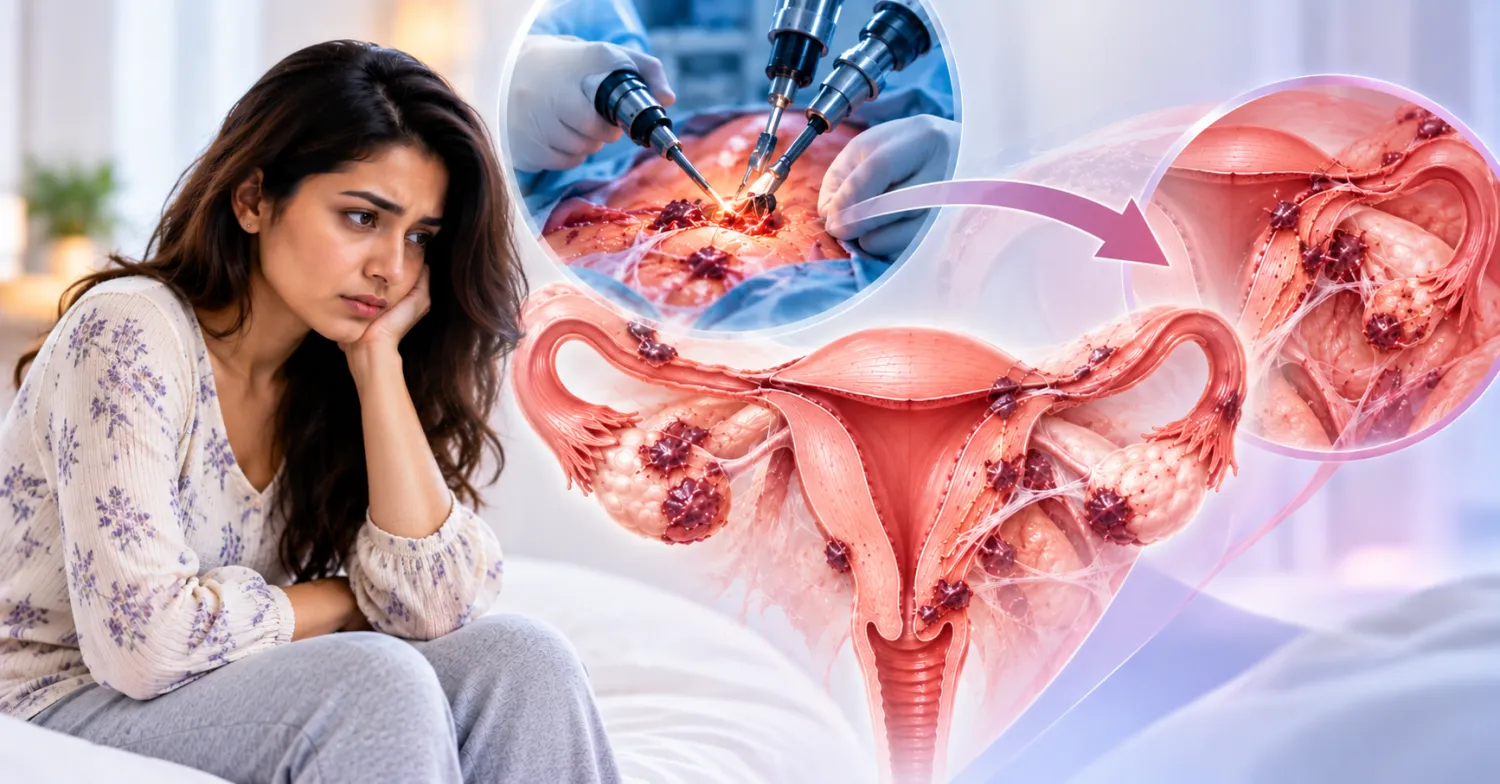
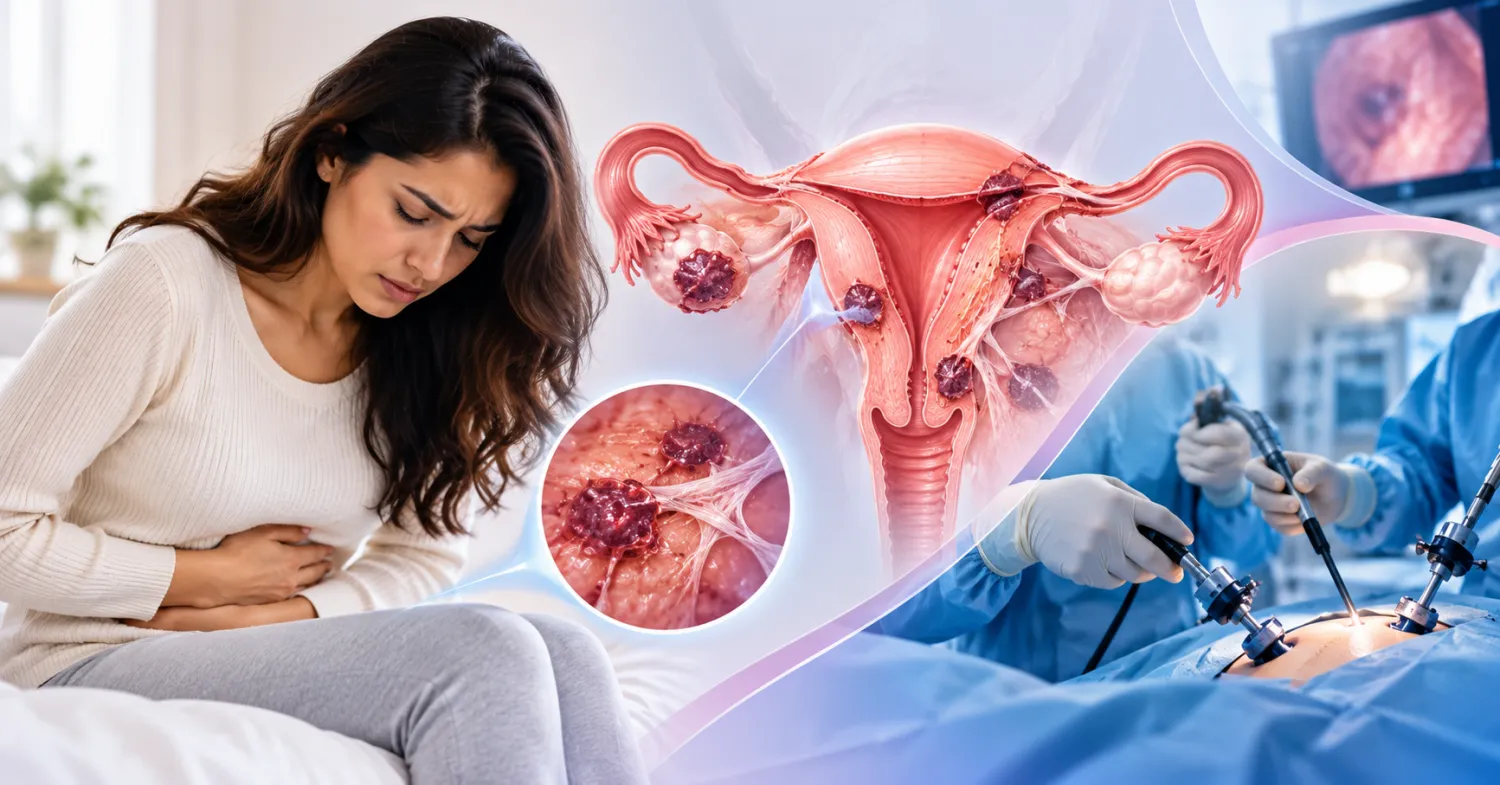
Endometriosis is a chronic condition in which tissue similar to the lining of the uterus grows outside the uterus.
These endometriotic lesions most commonly develop within the pelvis and may involve areas such as:
- ovaries
- fallopian tubes
- pelvic lining or peritoneum
- tissues behind the uterus
- ligaments supporting the uterus
- space between the vagina and rectum
- bowel
- bladder
- ureters
Repeated inflammation associated with endometriosis can contribute to scar tissue and adhesions. In some women, ovarian endometriosis forms cysts known as endometriomas, often referred to as chocolate cysts.
Endometriosis affects an estimated 10% of women of reproductive age worldwide. Symptoms can vary considerably, and the extent of disease does not always correspond with the severity of pain.
What Are the Common Symptoms of Endometriosis?
Women with endometriosis may experience:
- severe menstrual cramps
- persistent or recurrent pelvic pain
- pain during or after sexual intercourse
- painful bowel movements, particularly during periods
- pain while urinating during menstruation
- abdominal bloating
- heavy or troublesome periods
- difficulty becoming pregnant
- fatigue
- lower back or pelvic discomfort
Some women with significant endometriosis may have relatively mild symptoms, while others with apparently less extensive disease may experience severe pain.
For this reason, treatment should be individualised rather than determined solely by the “stage” of endometriosis.
Does Every Woman With Endometriosis Need Surgery?
No.
An endometriosis diagnosis does not automatically mean surgery is required.
Depending on symptoms and pregnancy plans, treatment may initially include pain-relieving medicines and hormonal therapies. Hormonal treatments can suppress endometriosis-related activity and reduce symptoms in many patients.
Surgery becomes more relevant when there is a specific reason to remove or treat endometriotic disease.
A consultation with an experienced endometriosis specialist is therefore important before deciding whether surgery is appropriate.
When Is Endometriosis Surgery Needed?
There is no single rule applicable to every patient. Surgery may be considered in several clinical situations.
- Severe or Persistent Pelvic Pain
If endometriosis-related pain remains significant despite appropriate medical or hormonal treatment, surgery may be considered.
The aim is to identify and treat visible endometriotic lesions and release adhesions where appropriate.
However, pelvic pain can have several causes. Surgery should therefore not be presented as a guaranteed cure for every type of chronic pelvic pain.
- Deep Endometriosis
Deep endometriosis can involve tissues and organs deeper within the pelvis.
It may affect structures such as the:
- bowel
- bladder
- ureter
- rectovaginal region
- pelvic sidewall
These cases can be considerably more complex than superficial endometriosis.
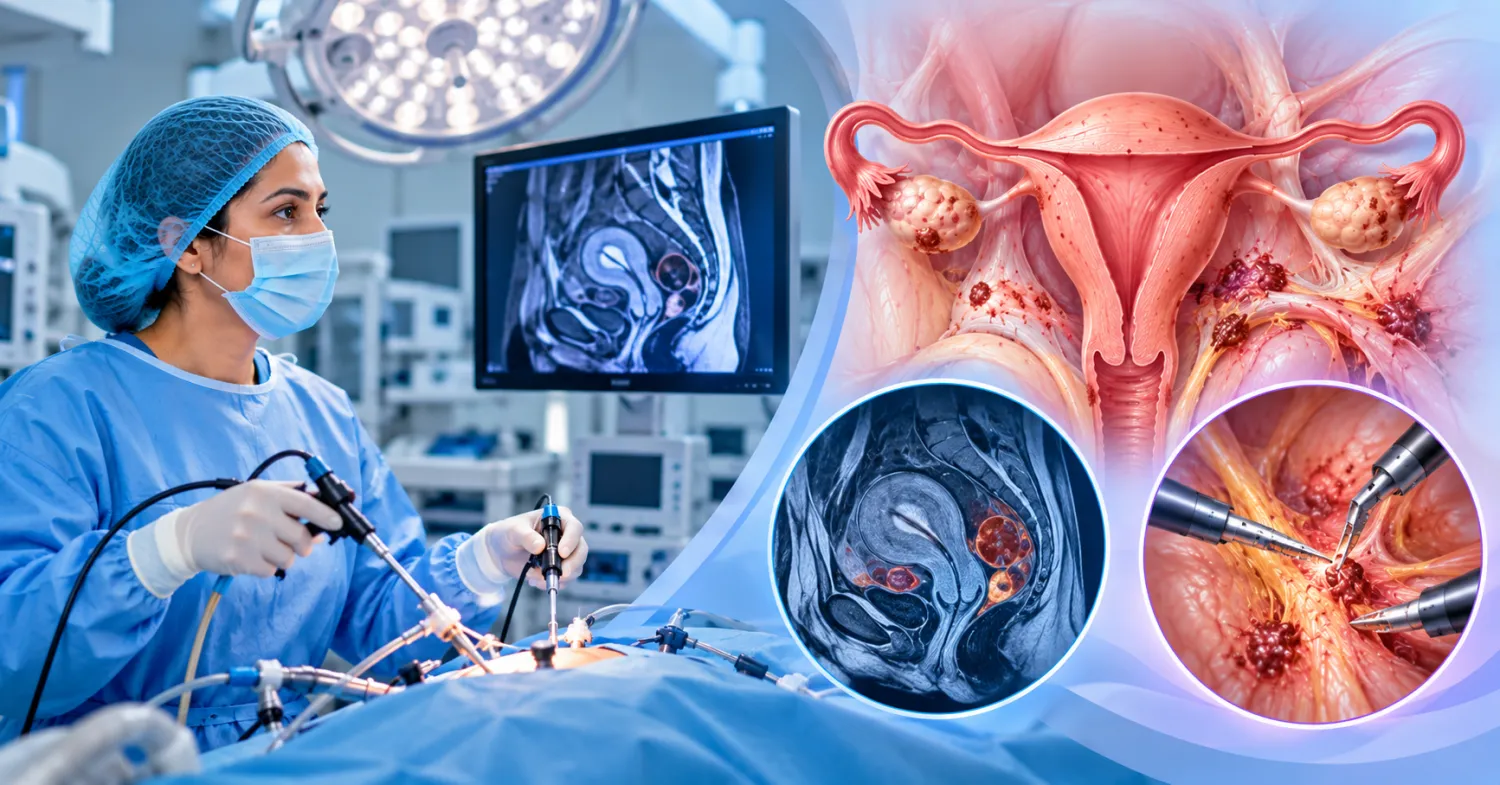
Preoperative mapping with specialist ultrasound and/or MRI may be required to understand the extent of disease and plan surgery appropriately.
When bowel, bladder or ureteric involvement is suspected, treatment may require a multidisciplinary surgical team.
- Ovarian Endometrioma or Chocolate Cyst
Endometriosis involving the ovary may produce an endometrioma.
Whether an endometrioma should be operated on depends on several factors, including:
- cyst size
- symptoms
- appearance on imaging
- age
- ovarian reserve
- previous ovarian surgery
- fertility plans
- whether IVF is being considered
Surgery on an ovary requires particular care because removal of an endometrioma can potentially affect healthy ovarian tissue and ovarian reserve.
Therefore, “remove every chocolate cyst” is not an appropriate universal approach.
- Endometriosis Associated With Infertility
Endometriosis may contribute to fertility problems through several mechanisms, including inflammation, adhesions, distorted pelvic anatomy and ovarian involvement.
Surgery may improve the chance of spontaneous pregnancy in selected patients, particularly in some forms of endometriosis.
However, surgery is not automatically the best fertility treatment for every woman with endometriosis.
The decision becomes especially important in women with ovarian endometriomas because ovarian surgery can affect ovarian reserve.
Age, AMH or other measures of ovarian reserve, duration of infertility, partner factors, previous surgery and whether assisted reproductive treatment is planned should all be considered.
- Endometriosis Affecting Normal Organ Function
Surgery may become particularly important when endometriosis affects organs such as the bowel, bladder or ureter.
For example, ureteric endometriosis can sometimes interfere with urinary drainage from the kidney.
These cases need specialist assessment because symptoms alone may not accurately reflect disease severity.
- Persistent or Recurrent Symptoms
Women who have previously received treatment for endometriosis may develop recurrent symptoms.
Before repeat surgery is considered, it is important to establish whether recurrent endometriosis is actually responsible for the symptoms and whether another operation is likely to provide meaningful benefit.
Repeat surgery, particularly involving the ovaries, needs careful evaluation.
How Is Endometriosis Evaluated Before Surgery?
Good endometriosis surgery starts well before entering the operating theatre.
Assessment usually includes a detailed medical history, symptom evaluation, previous treatment history, fertility plans and appropriate imaging.
Pelvic Ultrasound
A transvaginal ultrasound can help identify ovarian endometriomas and some forms of deep endometriosis.
Importantly, a normal ultrasound does not necessarily exclude endometriosis.
MRI
MRI may be useful when deep endometriosis is suspected or detailed anatomical mapping is needed before complex surgery.
It can be particularly valuable when disease involving the bowel, bladder, ureter or other deep pelvic structures is suspected.
Fertility Assessment
For women planning pregnancy, fertility considerations should ideally be incorporated into surgical planning rather than discussed only after surgery.
Depending on the situation, assessment may include ovarian reserve and other fertility factors.
What Are the Different Types of Endometriosis Surgery?
Most endometriosis surgery is performed using minimally invasive techniques.
The appropriate procedure depends on where the disease is located and its complexity.
Laparoscopic Endometriosis Surgery
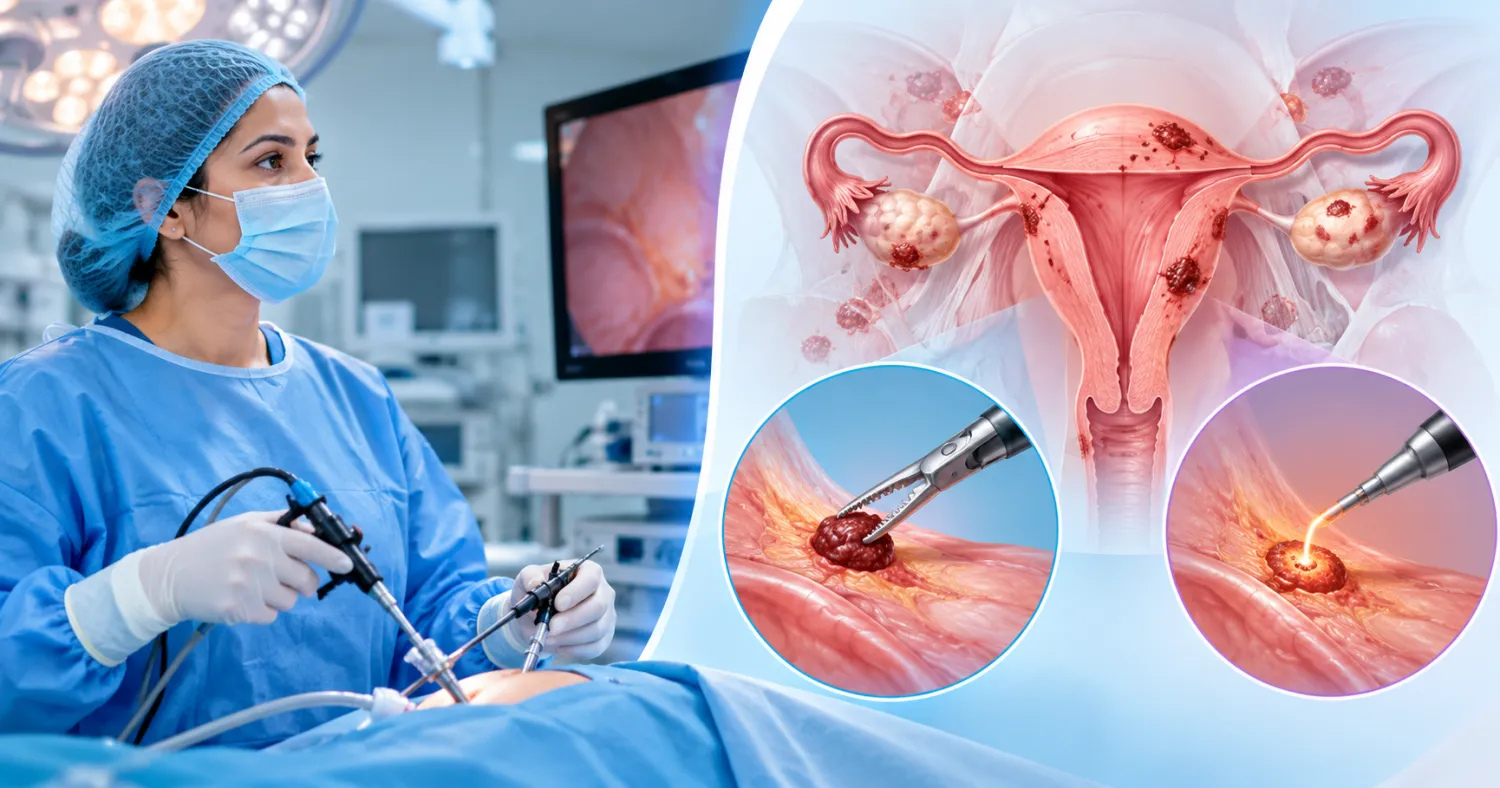
Laparoscopy, commonly known as keyhole surgery, is the established minimally invasive surgical approach for endometriosis.
Small incisions are made in the abdomen through which a camera and specialised surgical instruments are introduced.
The surgeon systematically examines the pelvis and treats appropriate areas of endometriosis.
Compared with traditional open surgery, minimally invasive surgery generally allows smaller incisions and may offer faster postoperative recovery in appropriately selected patients.
Endometriosis Excision Surgery
Excision surgery involves surgically removing endometriotic lesions.
The objective is to remove identified disease while preserving healthy surrounding structures whenever possible.
Excision can be particularly relevant for certain types of deep endometriosis.
The complexity of excision varies substantially. Removing a superficial lesion is very different from treating endometriosis involving the bowel, bladder, ureter or other critical structures.
This is one reason surgeon experience and appropriate case selection are important in complex endometriosis.
Ablation of Endometriosis
Ablation destroys the surface of an endometriotic lesion using an energy source rather than physically cutting out the lesion.
Both excision and ablation have roles in endometriosis surgery, and the appropriate technique depends on the type and location of disease.
It is therefore misleading to suggest that one technique is universally superior for every patient and every lesion.
Robotic Surgery for Endometriosis
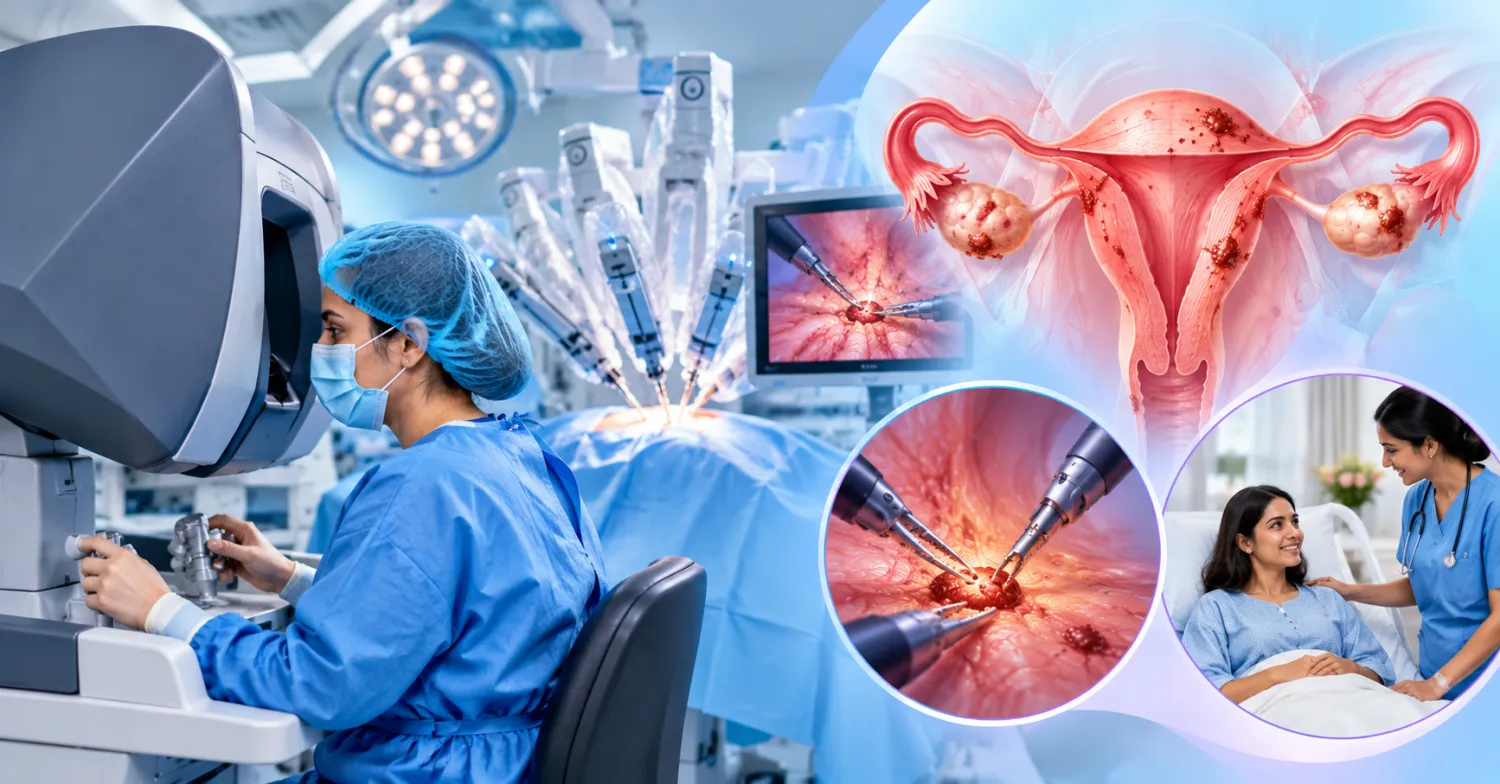
Robotic surgery for endometriosis is another minimally invasive surgical approach.
The surgeon operates from a console and controls robotic instruments placed through small abdominal incisions.
Robotic systems can provide enhanced three-dimensional visualisation and highly articulated instruments. These technical features may be useful during complex pelvic dissection.
Robotic surgery may be considered for selected cases such as:
- deep infiltrating endometriosis
- complex pelvic adhesions
- disease in anatomically difficult locations
- selected bowel or bladder involvement
- complex fertility-preserving procedures
However, robotic surgery should not be considered automatically better than conventional laparoscopy.
The most appropriate surgical platform depends on disease complexity, the surgeon’s expertise, available infrastructure and individual patient factors.
Laparoscopic vs Robotic Endometriosis Surgery: Which Is Better?
Patients frequently search for whether robotic endometriosis surgery is better than laparoscopic surgery.
There is no universal answer.
Both are minimally invasive approaches.
For many cases, conventional laparoscopy can be highly effective when performed by an appropriately trained surgeon. Robotic technology may offer technical advantages in certain complex procedures, but technology itself does not replace surgical expertise.
A more useful question is:
Which surgical approach is most appropriate for my type and location of endometriosis?
That decision should be made after proper evaluation.
What Is Deep Infiltrating Endometriosis Surgery?
Deep endometriosis is among the more challenging forms of the disease.
It can involve structures including:
- rectum or sigmoid colon
- bladder
- ureters
- vagina
- rectovaginal septum
- pelvic nerves and surrounding tissues
Surgical planning is especially important because complete treatment may involve dissection close to vital structures.
Depending on organ involvement, a gynaecological surgeon may work with colorectal surgeons, urologists or other specialists.
Patients looking for the best endometriosis surgeon in India should therefore focus not simply on promotional claims but on whether the surgeon and treating centre have experience managing the specific pattern and complexity of their disease.
Does Endometriosis Surgery Require Removal of the Uterus?
No.
Endometriosis surgery does not automatically mean hysterectomy.
Many operations are performed while preserving the uterus and ovaries, particularly in women who want future pregnancy.
A hysterectomy may be considered in selected circumstances, particularly when there are additional uterine problems such as adenomyosis or persistent heavy bleeding and fertility is no longer desired.
Even then, removing the uterus alone does not necessarily eliminate endometriosis elsewhere in the pelvis.
The decision should therefore be individualised and discussed carefully.
Can Endometriosis Surgery Improve Fertility?
It can in selected patients.
Surgical treatment of some forms of endometriosis and associated adhesions can improve the probability of spontaneous pregnancy.
But fertility planning in endometriosis is complex.
For example, surgery for an ovarian endometrioma may remove disease but can also reduce ovarian reserve if healthy ovarian tissue is affected.
For women trying to conceive, decisions should therefore consider:
- woman’s age
- duration of infertility
- ovarian reserve
- location and severity of endometriosis
- fallopian tube status
- previous endometriosis surgery
- partner’s fertility evaluation
- possibility of natural conception
- IUI or IVF plans
Sometimes surgery is appropriate before fertility treatment; in other circumstances proceeding to assisted reproduction may be more appropriate.
There is no single pathway suitable for every patient.
Can Endometriosis Come Back After Surgery?
Yes.
Endometriosis is a chronic condition, and symptoms or lesions can recur after surgery.
Recurrence does not necessarily mean that the original operation was unsuccessful.
Several factors may influence recurrence, including disease pattern, age, hormonal factors, completeness of treatment and postoperative management.
For women who are not immediately trying to conceive, postoperative hormonal therapy may sometimes be recommended to help prolong symptom control.
Long-term follow-up is therefore an important part of endometriosis management.
How Long Does Endometriosis Surgery Take?
There is no standard duration.
A relatively straightforward laparoscopic procedure may take considerably less time than complex surgery for deep endometriosis involving multiple organs.
Surgery duration can depend on:
- extent of disease
- number and location of lesions
- severity of adhesions
- ovarian involvement
- previous surgery
- bowel or urinary tract involvement
- surgical technique required
Your surgeon can provide a more meaningful estimate after reviewing imaging and clinical findings.
Recovery After Endometriosis Surgery
Recovery varies according to the extent of surgery.
After minimally invasive surgery, many patients begin walking relatively early and gradually return to normal activities.
Temporary symptoms can include:
- abdominal discomfort
- fatigue
- bloating
- mild vaginal bleeding
- incision discomfort
- shoulder-tip discomfort related to gas used during laparoscopy
Recovery after extensive deep endometriosis surgery can take longer than after straightforward laparoscopic treatment.
Patients should follow their surgical team’s specific instructions regarding wound care, medication, physical activity, diet and return to work.
Urgent medical advice should be sought for symptoms such as worsening severe pain, high fever, heavy bleeding, persistent vomiting, breathing difficulty or concerning wound changes.
What Is the Cost of Endometriosis Surgery in India?
The cost of endometriosis surgery in India cannot accurately be represented by one figure because endometriosis surgery ranges from relatively straightforward laparoscopy to highly complex multidisciplinary procedures.
The overall cost may depend on:
- type of surgery
- extent and location of endometriosis
- laparoscopic or robotic approach
- ovarian endometrioma treatment
- bowel or bladder involvement
- need for additional surgical specialists
- operating time
- hospital category
- room selection
- investigations
- medicines and consumables
- duration of hospitalisation
- insurance coverage
Robotic surgery may involve different costs compared with conventional laparoscopy because of technology and consumable requirements.
A meaningful cost estimate should ideally be provided only after clinical evaluation and review of relevant investigations.
Patients comparing the endometriosis surgery cost in Delhi or India should also consider the complexity of their condition and the expertise required rather than making a decision based only on the lowest quoted surgical package.
How Do You Choose an Endometriosis Surgeon?
Searching online for the best endometriosis surgeon in India, best endometriosis surgeon in Delhi or endometriosis specialist near me may provide many options, but choosing a surgeon requires more than looking at rankings.
Important questions include:
Does the surgeon regularly manage endometriosis?
Complex endometriosis requires familiarity with different patterns of the disease.
Does the surgeon perform minimally invasive surgery?
Advanced laparoscopic and robotic surgical expertise may be particularly relevant for complex disease.
Is fertility preservation considered?
For women who want children, treatment decisions should incorporate reproductive plans from the beginning.
Is multidisciplinary support available?
Complex bowel, bladder or ureteric endometriosis may require collaboration with other surgical specialists.
Is the treatment individualised?
Not every patient requires surgery, robotic surgery, hysterectomy or ovarian surgery.
A good endometriosis treatment plan should explain both surgical and non-surgical alternatives.
Questions to Ask Before Endometriosis Surgery
Before deciding on surgery, consider asking your surgeon:
- Where is my endometriosis located?
- Do I definitely need surgery?
- What happens if I postpone surgery?
- Are medical treatments appropriate for me?
- Will you use excision, ablation or both?
- Do my ovaries appear to be involved?
- Could surgery affect my ovarian reserve?
- Is my bowel, bladder or ureter involved?
- Will another specialist be required during surgery?
- Is laparoscopy or robotic surgery more appropriate in my case?
- What are the important risks?
- How long is the expected recovery?
- What is the possibility of recurrence?
- How could surgery affect my fertility?
- What treatment or follow-up may be needed after surgery?
Frequently Asked Questions About Endometriosis Surgery
Is surgery the only treatment for endometriosis?
No. Endometriosis can often be managed with pain-relieving medicines and hormonal treatments. Surgery is generally considered according to symptoms, disease location, response to previous treatment, fertility plans and other individual factors.
Which surgery is best for endometriosis?
There is no single operation that is best for everyone. Laparoscopic excision, ablation, ovarian endometrioma surgery and more complex procedures may be used depending on the type of disease. Robotic surgery may also be considered in selected patients.
Can endometriosis be completely removed?
Visible endometriotic lesions can often be surgically treated, but endometriosis is a chronic condition and recurrence can occur. Surgery therefore cannot guarantee that endometriosis or its symptoms will never return.
Is robotic surgery better for endometriosis?
Robotic technology provides enhanced visualisation and articulated instruments that can be helpful in selected complex procedures. However, conventional laparoscopy is also an established approach. The surgeon’s expertise and the complexity of disease are more important than choosing technology simply because it is newer.
Can I become pregnant after endometriosis surgery?
Many women conceive after treatment, but the effect of surgery on fertility varies. Age, ovarian reserve, disease severity, fallopian tube function and other fertility factors all influence the likelihood of pregnancy.
Can endometriosis surgery damage the ovaries?
Ovarian surgery, particularly surgery for endometriomas, can affect ovarian reserve. This risk needs to be balanced against the potential benefits of surgery, especially in women who want future pregnancy.
Does endometriosis surgery mean hysterectomy?
No. Most endometriosis surgery does not automatically require hysterectomy. Fertility-preserving treatment is possible in many women.
Can endometriosis recur after surgery?
Yes. Symptoms and/or disease may recur after treatment. Appropriate postoperative management and follow-up can therefore be important.
How much does endometriosis surgery cost in India?
The cost varies substantially according to the complexity of disease, surgical approach, hospital, duration of surgery, hospital stay and whether additional specialists are required. An individualised estimate after evaluation is more reliable than a generic online package price.
Endometriosis Surgery in Delhi: Why Individualised Treatment Matters
Endometriosis is not the same disease in every woman.
One patient may have superficial pelvic lesions. Another may have an ovarian endometrioma. A third may have deep disease involving the bowel, bladder or ureter.
Their treatment should not be identical.
For women considering endometriosis surgery in Delhi, the objective should therefore be to obtain an accurate assessment of the location and extent of disease and understand all reasonable treatment options.
The decision to operate should answer an important question:
What meaningful benefit is this surgery expected to provide for this particular patient?
That benefit may be better symptom control, restoration of anatomy, treatment of an endometrioma, management of organ-threatening disease, support for fertility goals or a combination of these.
About Dr Usha M Kumar
Dr Usha M Kumar is a senior gynaecologist with extensive experience in minimally invasive gynaecological surgery, including laparoscopic and robotic procedures.
Women seeking consultation for suspected or diagnosed endometriosis can undergo an individualised assessment to understand the extent of their condition and whether medical management, laparoscopic surgery, robotic surgery, fertility-focused treatment or another approach is appropriate.
The aim of endometriosis treatment should never simply be to perform an operation. It should be to select the right treatment for the right patient while considering symptom relief, organ preservation, fertility goals and long-term quality of life.