




Posted By: Dr. Usha M Kumar on 15 Oct 2026
Endometriosis can range from small superficial lesions to complex disease involving the ovaries, bowel, bladder, ureters and tissues deep within the pelvis. When surgery becomes necessary, precision and careful preservation of surrounding healthy structures can be particularly important.
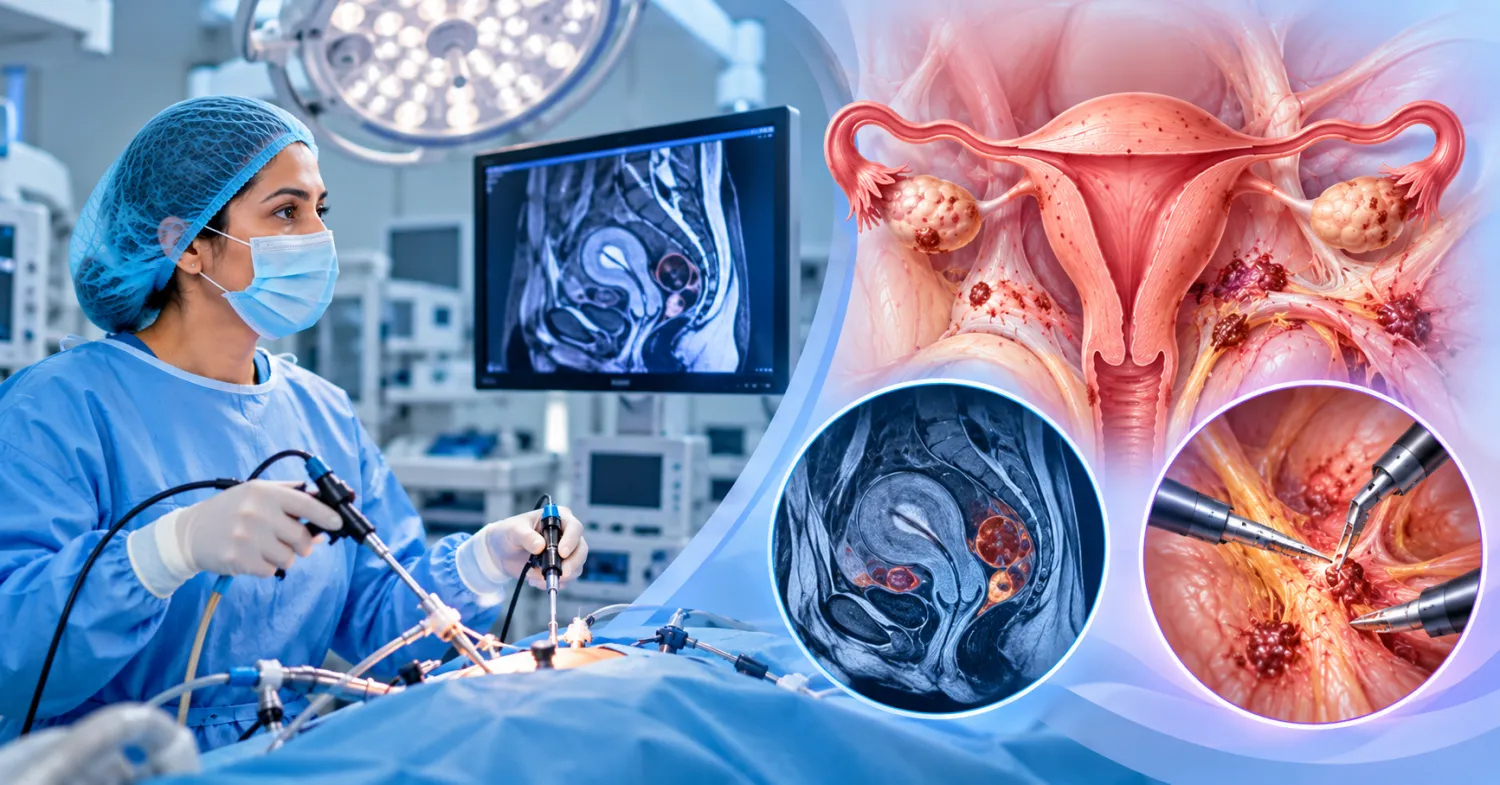
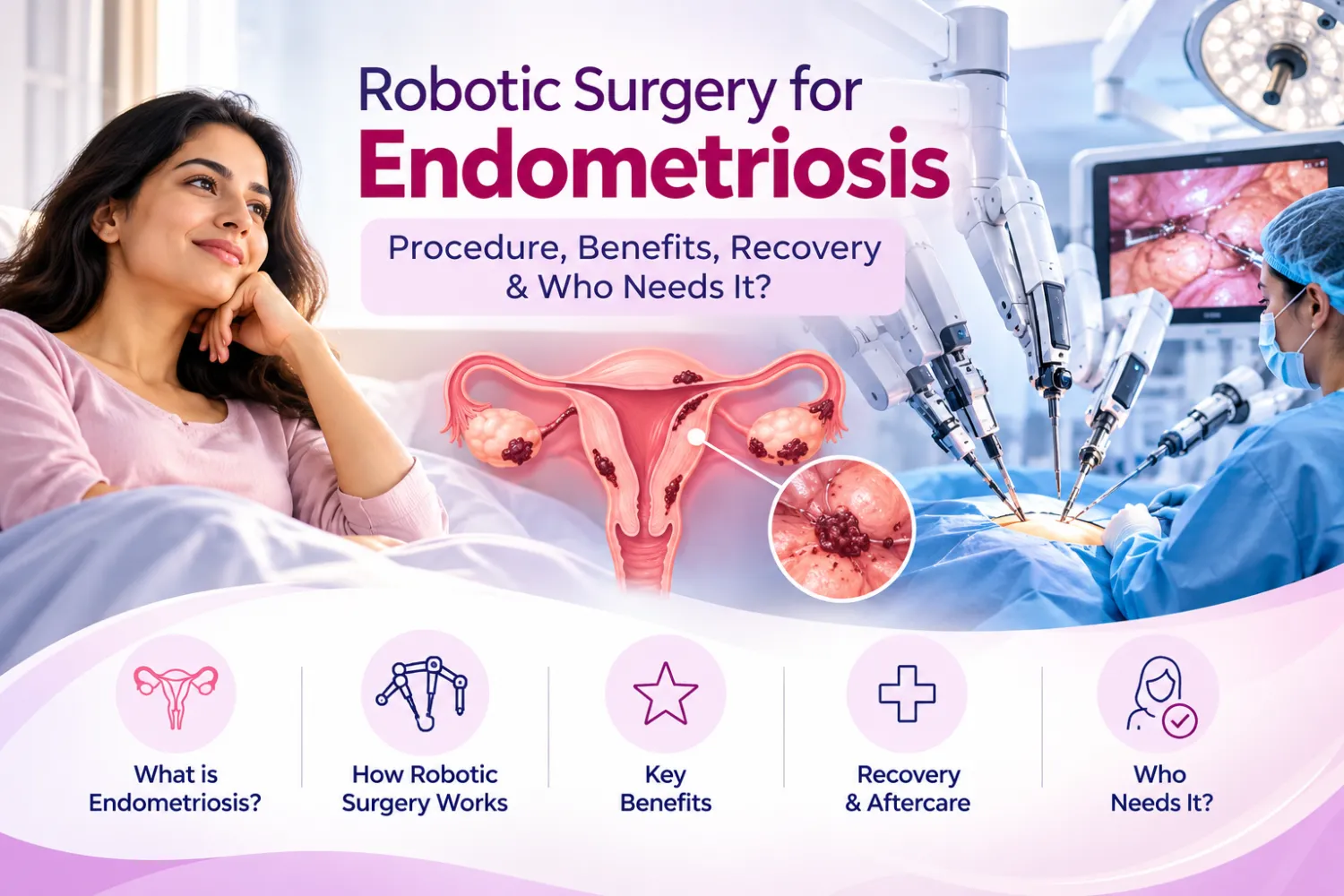
One minimally invasive option available for selected patients is robotic surgery for endometriosis.
Robotic surgery provides the surgeon with magnified three-dimensional vision and highly articulated instruments that can assist with precise dissection in difficult areas of the pelvis. These features can be useful in selected complex cases, particularly when endometriosis is deep or pelvic anatomy has been distorted by adhesions or previous surgery.
However, an important point is often lost in online discussions:
Robotic surgery is not automatically better than conventional laparoscopic surgery for every woman with endometriosis.
Current guidance recommends minimally invasive laparoscopic surgery when surgery is appropriate, but the choice of surgical platform should depend on the disease, the patient’s needs, available expertise and the surgeon’s experience.
This article explains robotic endometriosis surgery, when it may be considered, its potential advantages and limitations, recovery, fertility considerations, risks and factors influencing the cost of robotic endometriosis surgery in India.
What Is Endometriosis?
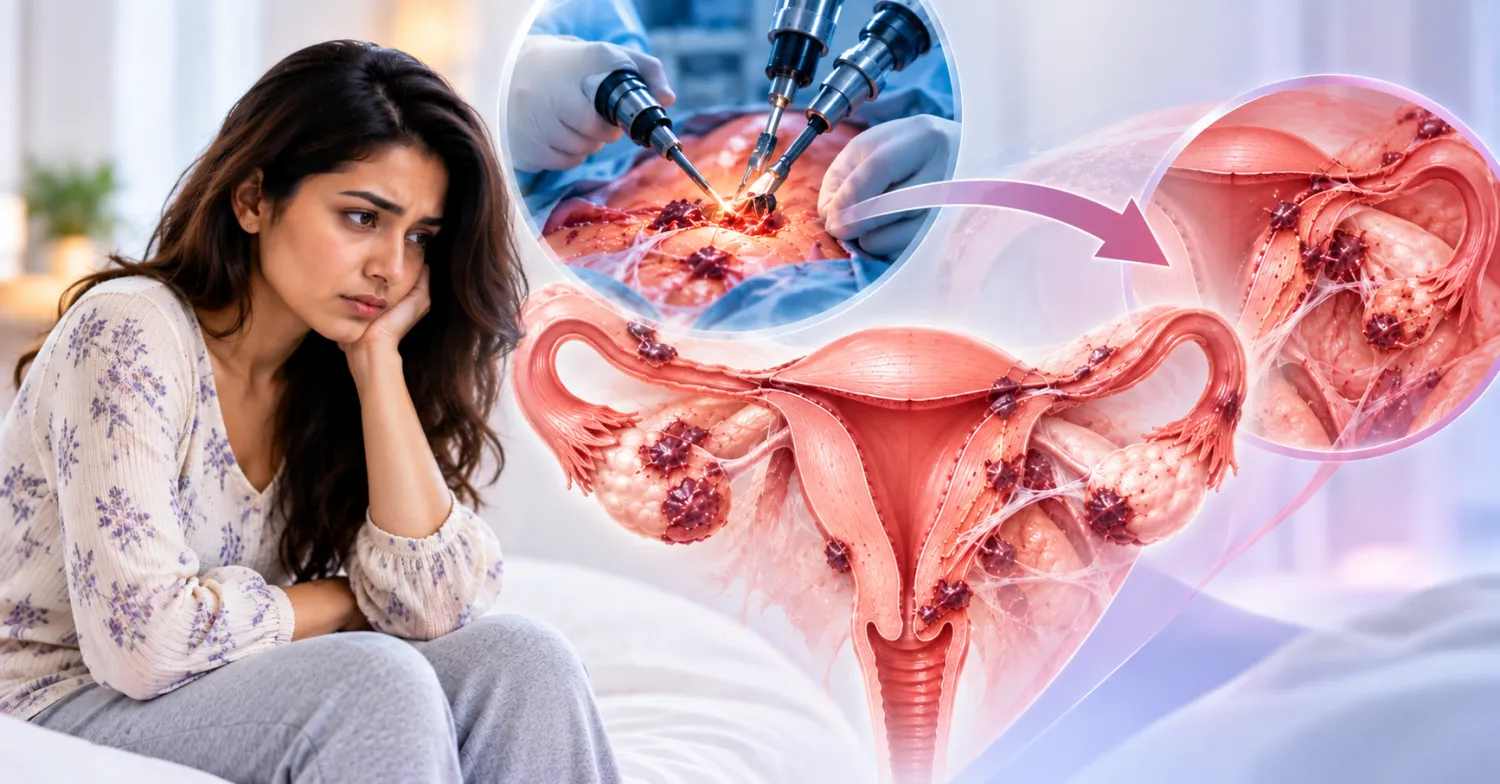
Endometriosis is a chronic condition in which tissue similar to the lining of the uterus develops outside the uterus.
It most commonly affects structures within the pelvis and may occur around the:
- ovaries
- fallopian tubes
- pelvic peritoneum
- tissues behind the uterus
- uterosacral ligaments
- rectovaginal region
- bowel
- bladder
- ureters
Endometriosis can produce inflammation, fibrosis and adhesions. Ovarian involvement may result in cysts called endometriomas, often known as chocolate cysts.
The condition affects an estimated 10% of women of reproductive age worldwide. Endometriosis can cause severe period pain, chronic pelvic pain, painful intercourse, painful bowel movements, urinary symptoms and infertility, although symptoms vary substantially between individuals.
Does Every Patient With Endometriosis Need Surgery?
No.
A diagnosis of endometriosis does not automatically mean an operation is required.
Treatment may involve pain-relieving medication, hormonal therapy, fertility treatment, surgery or a combination of approaches.
The decision should consider:
- severity of symptoms
- effect on quality of life
- response to medical treatment
- location and extent of disease
- presence of an endometrioma
- bowel, bladder or ureteric involvement
- age
- ovarian reserve
- fertility plans
- previous endometriosis surgery
- patient preferences
Importantly, treatment should be guided by the patient’s symptoms, preferences and priorities rather than simply by the stage assigned to endometriosis.
When May Surgery Be Recommended for Endometriosis?
Surgery may be considered when symptoms remain significant despite appropriate medical treatment or when the nature and location of disease make surgical management appropriate.
Examples include selected patients with:
Persistent Endometriosis-Related Pain
Severe menstrual pain, chronic pelvic pain or painful intercourse that continues despite appropriate treatment may lead to consideration of surgery.
Ovarian Endometrioma
An endometrioma may sometimes require surgery depending on its size, symptoms, appearance, fertility plans and previous treatment.
Deep Endometriosis
Deep endometriosis can involve structures such as the bowel, bladder, ureter, vagina or tissues behind the uterus.
These cases may require more complex surgical planning.
Distorted Pelvic Anatomy
Endometriosis can produce adhesions that cause pelvic organs to become attached to one another, making normal anatomy difficult to identify.
Fertility-Related Indications
Surgery may be considered in selected women experiencing infertility associated with endometriosis, but it is not automatically the best approach for every woman trying to conceive.
What Is Robotic Surgery for Endometriosis?
Robotic endometriosis surgery is a form of minimally invasive surgery.
Despite the name, the robot does not independently perform the operation.
The surgery is performed by the surgeon.
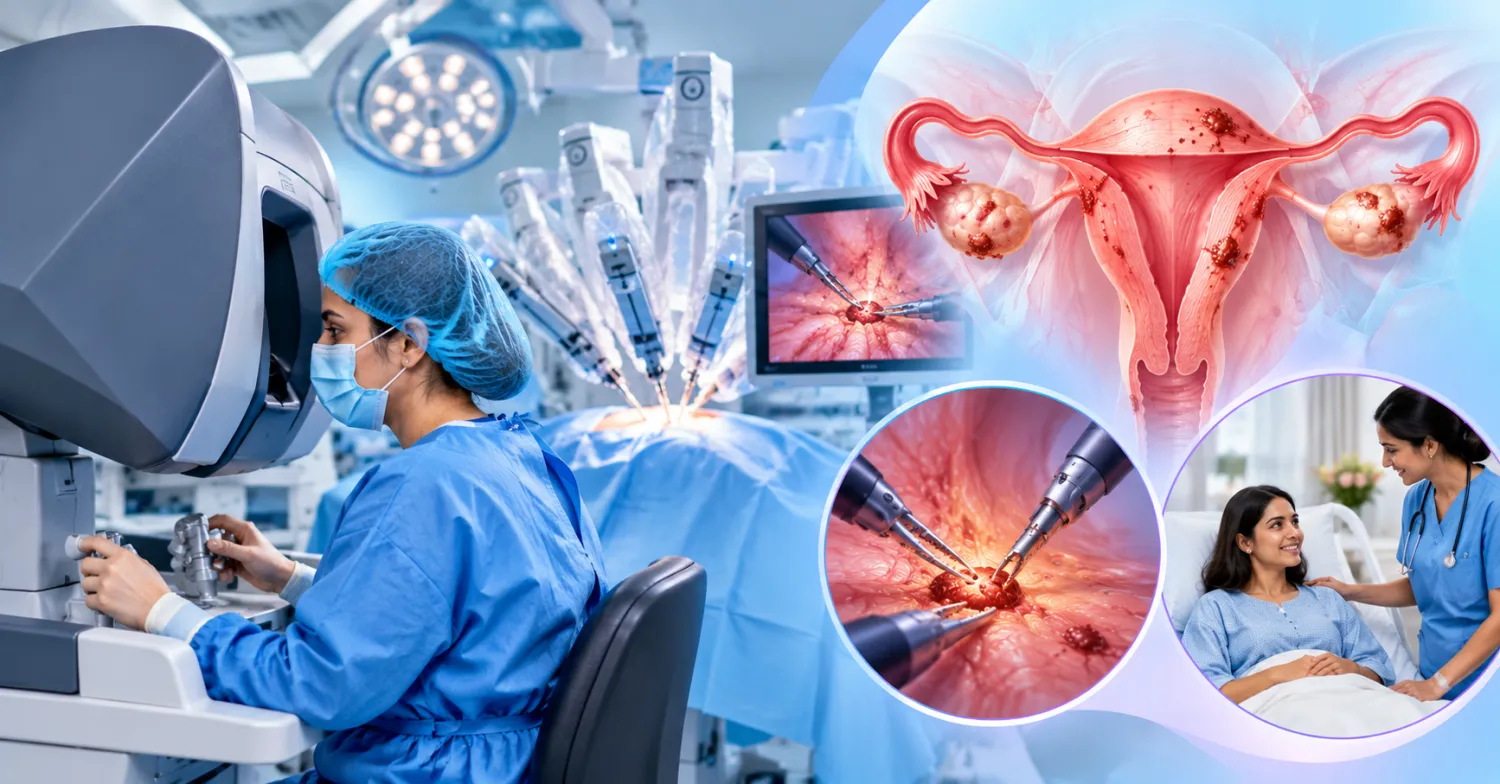
During the procedure, specialised robotic instruments and a camera are inserted through small abdominal incisions. The surgeon sits at a console and directly controls the instruments.
The system translates the surgeon’s hand movements into precise movements of the instruments inside the patient’s abdomen.
This distinction is important:
The robot is a surgical platform. The surgeon remains responsible for every step of the operation.
How Does Robotic Endometriosis Surgery Work?
The exact procedure depends on the patient’s disease.
After general anaesthesia, small incisions are created in the abdomen. A camera and robotic instruments are introduced, and the abdomen is gently expanded with carbon dioxide to provide operating space.
The surgeon then assesses the pelvis systematically.
Depending on the findings, surgery may involve:
- excision of endometriotic lesions
- release of adhesions
- restoration of pelvic anatomy
- treatment of ovarian endometriomas
- separation of ovaries from surrounding structures
- excision of deep endometriosis
- treatment of selected bladder disease
- treatment of selected bowel disease
- dissection around the ureters
- fertility-preserving surgery where appropriate
Every robotic endometriosis operation is therefore different.
What Is Robotic Excision of Endometriosis?
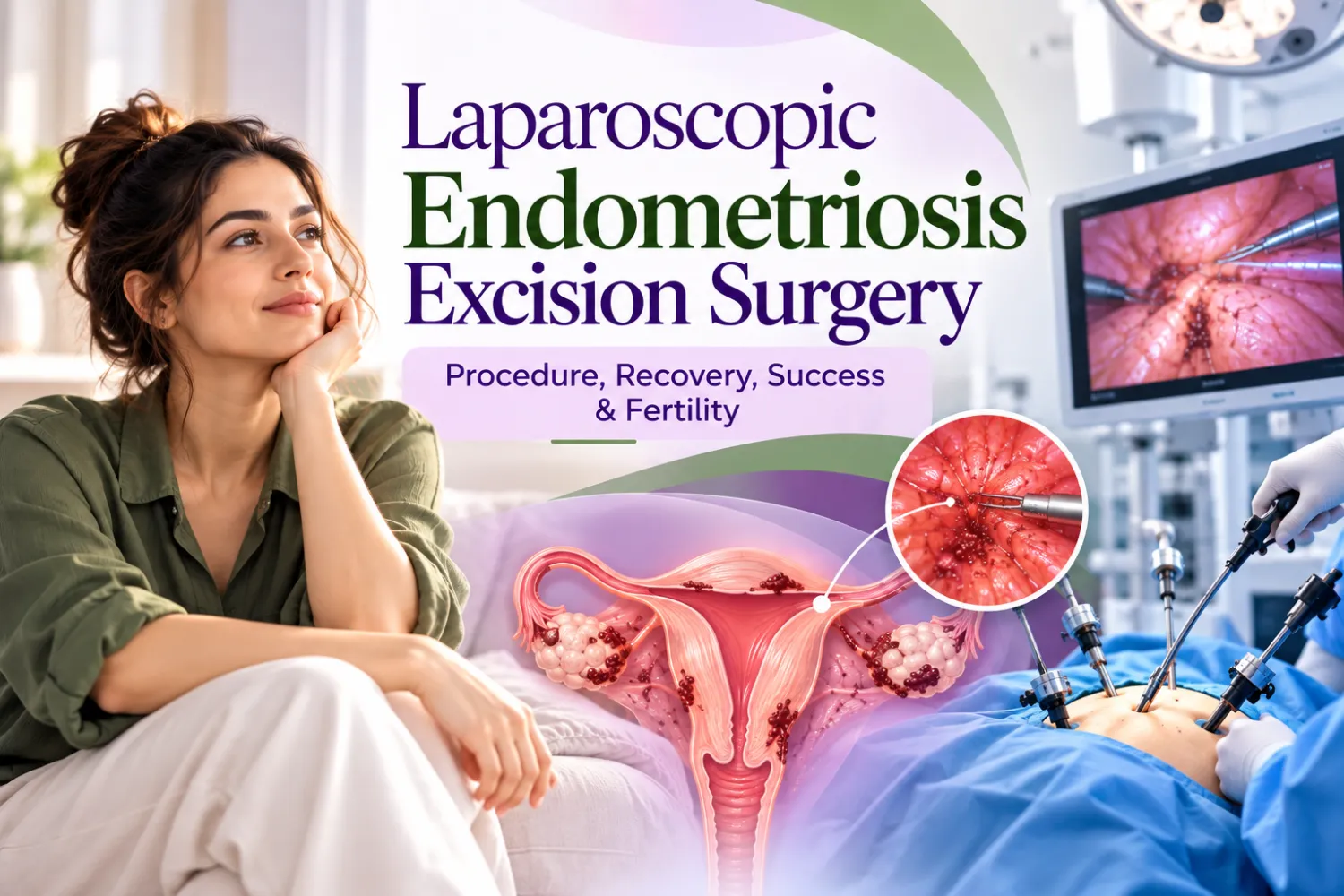
Robotic excision surgery involves using robotic instruments to remove identified endometriotic lesions.
Excision differs from ablation.
In excision, the lesion is surgically removed. Ablation destroys the treated tissue using an energy-based technique.
Current ESHRE guidance states that when surgery is performed, excision may be considered instead of ablation for reducing endometriosis-associated pain, although this is not evidence that excision is universally superior in every situation.
The appropriate technique depends on lesion type, depth and location.
Why Can Endometriosis Surgery Be Technically Difficult?
Endometriosis is not simply a collection of spots on the surface of the pelvis.
Advanced disease can alter normal anatomy.
For example, the ovaries may become adherent to the uterus or pelvic sidewall. The rectum may become attached behind the uterus. Deep lesions may develop close to the ureters, bladder or bowel.
This can make surgical dissection technically demanding.
The surgeon may need to distinguish endometriotic tissue from normal structures while preserving:
- healthy ovarian tissue
- fallopian tubes
- ureters
- bladder
- bowel
- pelvic nerves
- blood vessels
This is where surgical expertise becomes particularly important.
What Are the Potential Advantages of Robotic Surgery?
Robotic surgical systems offer several technical features.
- Three-Dimensional Magnified Vision
The surgeon receives a high-definition, magnified three-dimensional view of the surgical field.
Detailed visualisation can be useful when operating within the confined spaces of the pelvis.
- Articulated Instruments
Robotic instruments have a wide range of movement.
This can facilitate suturing and dissection at difficult angles.
- Precise Instrument Control
The system translates the surgeon’s movements into controlled movements inside the body and filters physiological hand tremor.
- Ergonomics for the Surgeon
Complex endometriosis operations can be lengthy. The robotic console can offer ergonomic advantages to the operating surgeon during demanding procedures.
- Access to Difficult Pelvic Areas
Deep pelvic disease may develop in anatomically challenging locations.
Robotic instrumentation can be useful in selected cases where extensive dissection is necessary.
These are technical advantages of the platform. They should not be interpreted as proof that every patient will experience better clinical outcomes than with expert conventional laparoscopy.
Robotic vs Laparoscopic Endometriosis Surgery: Which Is Better?
This is one of the most important questions for patients researching robotic surgery for endometriosis.
Both conventional laparoscopy and robotic-assisted surgery are minimally invasive approaches.
In conventional laparoscopy, the surgeon directly manipulates long instruments while viewing the surgical field on a monitor.
In robotic-assisted surgery, the surgeon controls articulated instruments from a console with three-dimensional visualisation.
Robotic systems may offer technical advantages for certain complex dissections. However, conventional laparoscopy is an established and highly effective approach to endometriosis surgery.
Current NICE guidance recommends that surgery for endometriosis be performed laparoscopically unless contraindicated. It also emphasises access to clinicians with expertise in laparoscopic endometriosis surgery and specialist multidisciplinary services for deep disease.
Therefore, the clinically useful question is not:
“Is robotic surgery better?”
It is:
“Which minimally invasive approach is most appropriate for my disease, and who has the expertise to perform it safely?”
Who May Be Considered for Robotic Endometriosis Surgery?
Robotic surgery may be considered in selected patients with:
- deep infiltrating endometriosis
- extensive pelvic adhesions
- complex pelvic anatomy
- recurrent disease after previous surgery
- rectovaginal endometriosis
- selected bowel involvement
- selected bladder involvement
- disease around the ureters
- complex ovarian endometriosis
- multiple sites of pelvic disease
The presence of endometriosis alone, however, is not an indication for robotic surgery.
A relatively uncomplicated case may be managed effectively with conventional laparoscopy.
Robotic Surgery for Deep Infiltrating Endometriosis
One area where robotic technology may be considered is deep infiltrating endometriosis surgery.
Deep disease may involve the:
- rectum
- sigmoid colon
- bladder
- ureters
- vagina
- rectovaginal septum
- uterosacral ligaments
- pelvic sidewall
The surgeon may need to work close to delicate structures while removing disease and restoring anatomy.
Because deep endometriosis can require significant surgical expertise and carries meaningful risks, specialist evaluation and multidisciplinary care are particularly important. NICE recommends specialist endometriosis services for suspected or confirmed deep disease involving the bowel, bladder or ureter.
Robotic Surgery for Bowel Endometriosis
Endometriosis involving the bowel does not automatically mean that part of the bowel must be removed.
The surgical approach depends on factors such as:
- depth of bowel involvement
- size of the lesion
- location
- degree of bowel narrowing
- number of lesions
- symptoms
- fertility plans
Possible procedures in appropriately selected cases can range from limited removal of disease from the bowel surface to disc excision or segmental bowel resection.
Complex cases may require collaboration between a gynaecological surgeon and colorectal surgeon.
The objective should be adequate treatment of clinically relevant disease while avoiding unnecessary radical surgery.
Robotic Surgery for Bladder Endometriosis
Deep endometriosis may occasionally involve the bladder.
Symptoms can include:
- pain while passing urine
- urinary urgency
- cyclical bladder discomfort
- blood in the urine in some patients
Treatment depends on the depth and extent of bladder involvement.
When surgery is required, careful excision may be necessary while preserving normal bladder function.
What Is Ureteric Endometriosis?
The ureters are tubes that carry urine from the kidneys to the bladder.
Endometriosis can sometimes surround or directly involve a ureter.
This deserves particular attention because significant ureteric obstruction can potentially affect kidney drainage, and symptoms may not always reflect the severity of obstruction.
Treatment depends on the location and extent of disease.
Selected complex cases may require involvement of a urologist.
Can Robotic Surgery Be Used for Chocolate Cysts?
Yes, robotic surgery can technically be used to treat an ovarian endometrioma or chocolate cyst, although conventional laparoscopy is also commonly used.
The more important issue is not whether a robot is used.
It is how the ovary is treated.
When ovarian endometrioma surgery is performed, preservation of healthy ovarian tissue is important, particularly for women who want children.
NICE advises considering excision rather than ablation for endometriomas while taking fertility wishes and ovarian reserve into account. For patients whose priority is fertility, its recommendations also recognise that both cystectomy and drainage/ablation have roles, with potential differences in ovarian-reserve impact.
Does Robotic Endometriosis Surgery Preserve Fertility?
Robotic surgery itself does not guarantee preservation or improvement of fertility.
Fertility outcomes depend on:
- woman’s age
- ovarian reserve
- condition of the ovaries
- fallopian tube function
- severity and location of endometriosis
- previous operations
- other infertility factors
- partner factors
In selected women, operative treatment of endometriosis can improve the chance of spontaneous pregnancy.
However, surgery involving ovarian endometriomas requires particular caution because surgery itself can affect ovarian reserve.
ESHRE recommends considering pain, age, patient preference, previous surgery, other infertility factors and ovarian reserve when deciding whether surgery is appropriate in women with endometriosis-associated infertility.
Should Endometriosis Be Operated On Before IVF?
Not always.
The presence of endometriosis or an endometrioma does not automatically mean surgery should be performed before IVF.
Factors such as symptoms, cyst characteristics, ovarian reserve, previous surgery, accessibility of follicles, age and fertility history need consideration.
For some patients, surgery may be beneficial.
For others, proceeding with assisted reproduction may be more appropriate.
This decision is best made jointly between the endometriosis surgeon and fertility specialist when fertility is a priority.
How Is a Patient Evaluated Before Robotic Endometriosis Surgery?
Appropriate preoperative assessment is essential.
Detailed Clinical History
The surgeon needs to understand the pattern of symptoms, previous treatments, previous operations and fertility plans.
Specialist Ultrasound
Transvaginal ultrasound can identify ovarian endometriomas and many forms of deep endometriosis.
Importantly, a normal ultrasound does not necessarily rule out endometriosis.
MRI
Pelvic MRI may be useful for mapping suspected deep endometriosis.
NICE recommends considering specialist transvaginal ultrasound or pelvic MRI for diagnosing and assessing the extent of deep endometriosis.
Fertility Assessment
Women who want pregnancy may require assessment of ovarian reserve and other fertility factors before deciding on ovarian or complex pelvic surgery.
How Long Does Robotic Endometriosis Surgery Take?
There is no standard duration.
Operating time depends primarily on the extent and complexity of disease.
A relatively limited operation may be considerably shorter than surgery involving extensive adhesions, both ovaries, the bowel and urinary tract.
Factors affecting duration include:
- severity of endometriosis
- location of lesions
- previous operations
- extent of adhesions
- ovarian involvement
- bowel involvement
- bladder or ureteric involvement
- need for additional specialists
- procedures required during the operation
An estimate can be provided more meaningfully after clinical evaluation and imaging.
How Long Is the Hospital Stay?
Hospital stay depends on the procedure rather than simply whether the robot was used.
Some patients undergoing uncomplicated minimally invasive surgery may be discharged relatively early.
Patients undergoing extensive bowel, bladder or urinary tract procedures may require a longer stay and closer postoperative observation.
Recovery After Robotic Endometriosis Surgery
Recovery varies substantially according to the extent of surgery.
Common temporary symptoms after minimally invasive surgery can include:
- abdominal soreness
- fatigue
- bloating
- incision discomfort
- mild vaginal bleeding
- shoulder-tip discomfort from the gas used during surgery
- temporary bowel changes
Walking is generally encouraged according to the treating team’s advice.
Return to office work, exercise, driving and sexual activity should be individualised.
A patient undergoing limited surgery should not expect the same recovery timeline as someone undergoing extensive excision of deep endometriosis.
When Should You Contact Your Doctor After Surgery?
Patients should follow their surgeon’s specific postoperative instructions.
Medical advice should be sought promptly for concerning symptoms such as:
- high fever
- progressively worsening pain
- heavy bleeding
- persistent vomiting
- difficulty breathing
- inability to pass urine
- significant abdominal swelling
- concerning wound redness or discharge
- other unexpected or severe symptoms
What Are the Risks of Robotic Endometriosis Surgery?
Robotic surgery remains surgery and therefore carries risks.
Potential complications vary according to the operation and can include:
- bleeding
- infection
- anaesthetic complications
- blood clots
- injury to the bowel
- injury to the bladder
- ureteric injury
- vascular or nerve injury
- adhesions
- effects on ovarian reserve following ovarian surgery
- conversion to another surgical approach when necessary
- persistence of symptoms
- recurrence of endometriosis
Complex deep endometriosis surgery generally carries a different risk profile from treatment of uncomplicated superficial disease.
Patients should therefore receive a personalised explanation of risks before consenting to surgery.
Can Endometriosis Return After Robotic Surgery?
Yes.
Robotic technology does not eliminate the biological possibility of recurrence.
Endometriosis is a chronic disease, and symptoms or lesions can recur after surgical treatment. WHO specifically notes that symptoms may persist or recur and that there is currently no treatment that definitively cures endometriosis.
For patients who are not trying to conceive immediately, postoperative hormonal treatment may sometimes be considered to prolong symptom control after surgery.
Therefore, claims such as “robotic surgery permanently cures endometriosis” should be viewed cautiously.
Cost of Robotic Endometriosis Surgery in India
Patients frequently search for robotic endometriosis surgery cost in India, but there is no single cost applicable to every case.
Endometriosis surgery can range from a relatively straightforward minimally invasive procedure to complex multidisciplinary surgery lasting several hours.
The final cost can depend on:
- severity and extent of disease
- robotic platform and consumables
- type of procedure
- number of organs involved
- ovarian endometrioma surgery
- bowel surgery, if required
- bladder or ureteric surgery, if required
- involvement of additional specialists
- operating time
- hospital category
- room category
- investigations
- duration of hospitalisation
- insurance coverage
Robotic procedures may cost more than conventional laparoscopy because of robotic technology and specialised consumables.
However, cost should not determine whether robotic surgery is clinically necessary.
Patients comparing the cost of endometriosis surgery in India should first understand what operation is actually being recommended and why.
How to Choose the Right Robotic Endometriosis Surgeon in India
Searches for right endometriosis surgeon in India, right robotic endometriosis surgeon in India, or right endometriosis surgeon in Delhi are understandable when a patient is facing complex surgery.
However, no credible medical assessment can identify a single surgeon as universally “best” for every patient.
A more useful approach is to evaluate relevant expertise.
Experience With Endometriosis
Ask whether the surgeon routinely diagnoses and surgically manages endometriosis.
Experience With Deep Endometriosis
Complex endometriosis requires skills beyond routine gynaecological laparoscopy.
Laparoscopic and Robotic Expertise
Ideally, the surgeon should be able to select the most appropriate technique rather than recommending a robot simply because the technology is available.
Fertility-Preserving Approach
For women planning pregnancy, ovarian reserve and preservation of reproductive organs should be considered during surgical planning.
Multidisciplinary Support
Complex bowel, bladder or ureteric disease may require colorectal surgeons, urologists, fertility specialists and specialist radiologists.
Appropriate Imaging and Surgical Planning
Good endometriosis surgery begins with understanding where the disease is located before operating whenever possible.
Questions to Ask Before Robotic Endometriosis Surgery
Before deciding on robotic surgery, patients may want to ask:
- Why do I need surgery?
- Where is my endometriosis located?
- Do I have deep endometriosis?
- Is my bowel, bladder or ureter involved?
- Why are you recommending robotic rather than conventional laparoscopic surgery?
- What will you do during the operation?
- Will you excise or ablate the disease?
- Could my ovaries be affected?
- Could surgery reduce my ovarian reserve?
- How might surgery affect fertility?
- Will another surgeon need to participate?
- What are the major risks in my particular case?
- How long might I remain in hospital?
- What is the expected recovery?
- Can the disease recur after surgery?
These questions can often be more useful than simply asking whether robotic surgery is “better.”
Frequently Asked Questions About Robotic Endometriosis Surgery
Is robotic surgery good for endometriosis?
Robotic surgery can be a useful minimally invasive option for selected endometriosis procedures, including some complex cases. However, conventional laparoscopy is also an established surgical approach. The best option depends on the patient’s disease and surgeon’s expertise.
Is robotic surgery better than laparoscopy for endometriosis?
Not necessarily. Robotic systems provide technical advantages such as three-dimensional vision and articulated instruments, but this does not mean that clinical outcomes are automatically superior for every patient.
Who needs robotic endometriosis surgery?
It may be considered in selected patients with complex or deep disease, extensive adhesions, previous surgery or involvement of difficult pelvic structures. Many patients with endometriosis do not require robotic surgery.
Can Stage 4 endometriosis be treated robotically?
Selected patients with extensive endometriosis can undergo robotic-assisted surgery. However, the decision should be based on disease location, complexity, surgeon expertise and individual treatment goals rather than stage alone.
Can robotic surgery remove deep infiltrating endometriosis?
Robotic-assisted excision can be used for selected cases of deep endometriosis. When the bowel, bladder or ureters are involved, multidisciplinary surgical expertise may be required.
Is robotic surgery suitable for a chocolate cyst?
It can be used for ovarian endometrioma surgery, although conventional laparoscopy is also commonly used. Preservation of healthy ovarian tissue and consideration of ovarian reserve are more important than the surgical platform itself.
Can I get pregnant after robotic endometriosis surgery?
Pregnancy is possible after surgery, but fertility depends on multiple factors including age, ovarian reserve, tubal function, disease severity and other infertility factors. Surgery does not guarantee pregnancy.
Does robotic surgery permanently cure endometriosis?
No. Endometriosis is a chronic condition, and recurrence can occur after any type of surgery.
What is the recovery time after robotic endometriosis surgery?
Recovery depends on the extent of the procedure. Limited surgery generally has a different recovery from complex surgery involving the bowel, bladder or ureters. Your surgeon should provide an individualised recovery plan.
What is the cost of robotic endometriosis surgery in India?
Cost varies according to hospital, disease complexity, operating time, robotic consumables, hospital stay and whether bowel, bladder, ureteric or other specialist procedures are required. A meaningful estimate should therefore be obtained after evaluation.
Robotic Endometriosis Surgery in Delhi: What Should Patients Look For?
For women considering robotic endometriosis surgery in Delhi, access to robotic technology should not be the only criterion for choosing treatment.
Endometriosis surgery is primarily about understanding the disease.
A patient with superficial peritoneal endometriosis, another with bilateral ovarian endometriomas, and another with deep bowel and ureteric disease have very different surgical requirements.
An appropriate endometriosis treatment programme should therefore combine:
- accurate diagnosis
- specialist imaging where required
- careful surgical planning
- minimally invasive surgical expertise
- fertility considerations
- multidisciplinary support for complex disease
- long-term follow-up
The robot is one tool within that treatment pathway—not the treatment pathway itself.
About Dr Usha M Kumar
Dr Usha M Kumar is a senior gynaecologist with extensive experience in minimally invasive gynaecological surgery, including laparoscopic and robotic procedures.
Her approach to patients with endometriosis focuses on understanding the location and complexity of disease, evaluating symptoms and reproductive goals, and selecting an appropriate treatment strategy.
For women with ovarian endometriomas, recurrent endometriosis or suspected deep disease, surgical planning may include specialist imaging and assessment of fertility considerations before deciding whether conventional laparoscopy, robotic-assisted surgery or another treatment approach is appropriate.
The objective is not to use the most advanced technology simply because it is available.
The objective is to use the right surgical approach, for the right patient, for the right clinical reason.