




Posted By: Dr. Usha M Kumar on 06 Jul 2026
A hysterectomy is a surgical procedure to remove the uterus. It may be recommended for women with severe or persistent gynaecological conditions that have not improved with medication or less invasive treatment. Traditionally, hysterectomy was performed through a large abdominal incision. Today, selected patients may undergo a minimally invasive procedure such as laparoscopic or robotic hysterectomy.
Robotic hysterectomy uses advanced technology to assist the surgeon in operating through small abdominal incisions. It may offer greater precision, enhanced visualisation and a faster recovery than open abdominal surgery. However, robotic surgery is not necessary or suitable for every woman.
Understanding its benefits, cost, recovery period and indications can help patients have a more informed discussion with their gynaecological surgeon.
What Is a Robotic Hysterectomy?
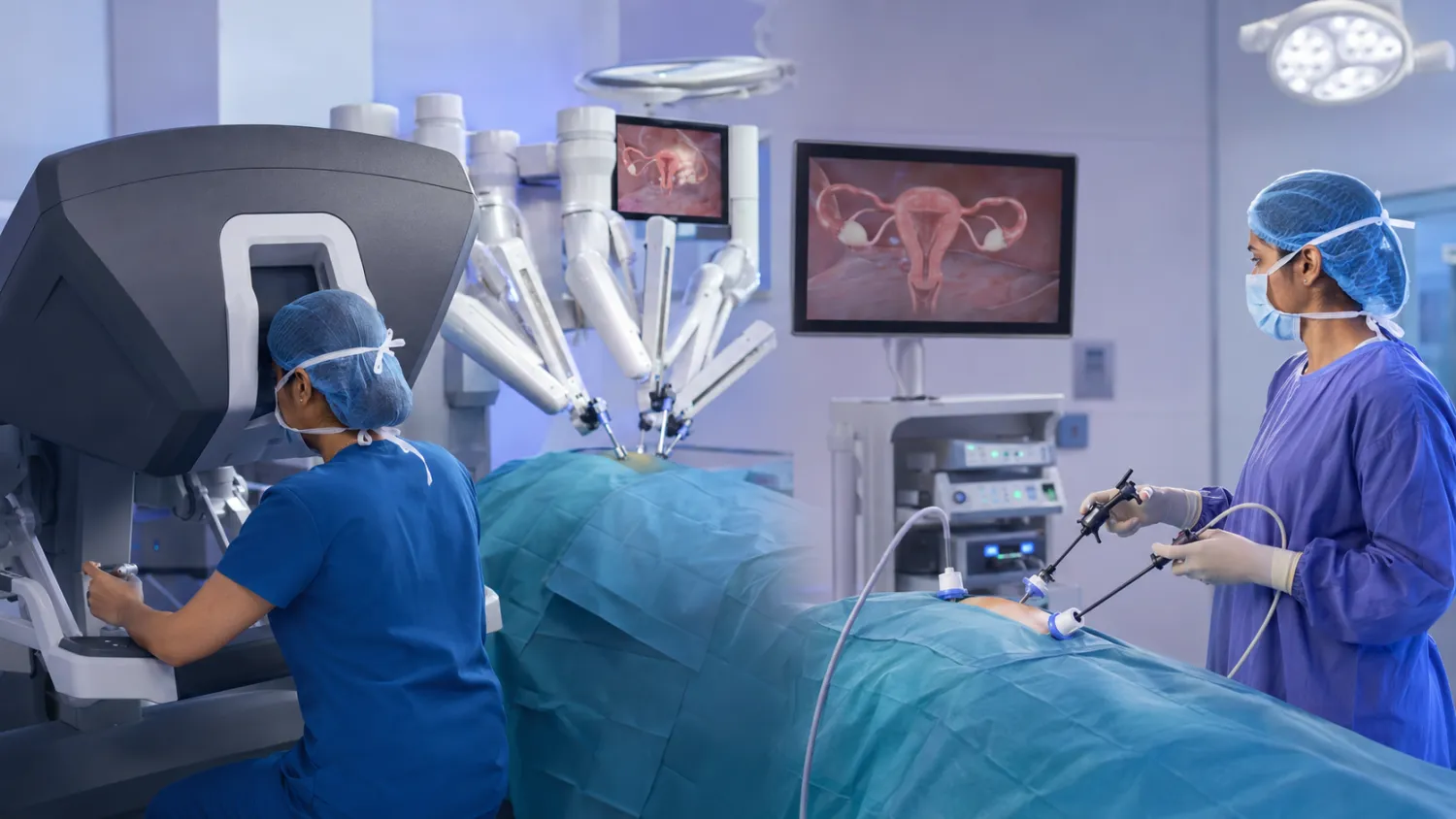
A robotic hysterectomy is a minimally invasive operation in which the uterus is removed using robotic-assisted surgical instruments. The surgeon sits at a console in the operating theatre and controls the instruments throughout the procedure.
The robot does not operate independently or make surgical decisions. Every movement of the robotic arms is guided by the surgeon. The system translates the surgeon’s hand movements into smaller, precise movements inside the patient’s body.
A magnified, high-definition, three-dimensional view allows the surgeon to examine the pelvic structures closely. The robotic instruments have wrist-like movement, which may help with delicate dissection, suturing and working within the confined spaces of the pelvis.
What Is Removed During a Hysterectomy?
The extent of surgery depends on the diagnosis and the patient’s individual needs.
Total hysterectomy
The uterus and cervix are removed.
Subtotal or supracervical hysterectomy
The upper part of the uterus is removed while the cervix is left in place. This procedure is not appropriate for every patient.
Hysterectomy with salpingectomy
The uterus and fallopian tubes are removed, while one or both ovaries may be preserved.
Hysterectomy with salpingo-oophorectomy
The uterus, fallopian tubes and one or both ovaries are removed.
Removal of the uterus does not automatically mean that the ovaries must also be removed. The decision depends on age, diagnosis, cancer risk, ovarian health and personal medical history. If both ovaries are removed before natural menopause, surgical menopause occurs immediately.
Who May Need a Robotic Hysterectomy?
A hysterectomy is generally considered when symptoms are severe, other treatments have failed or the underlying condition requires definitive surgery.
Robotic hysterectomy may be recommended for selected patients with:
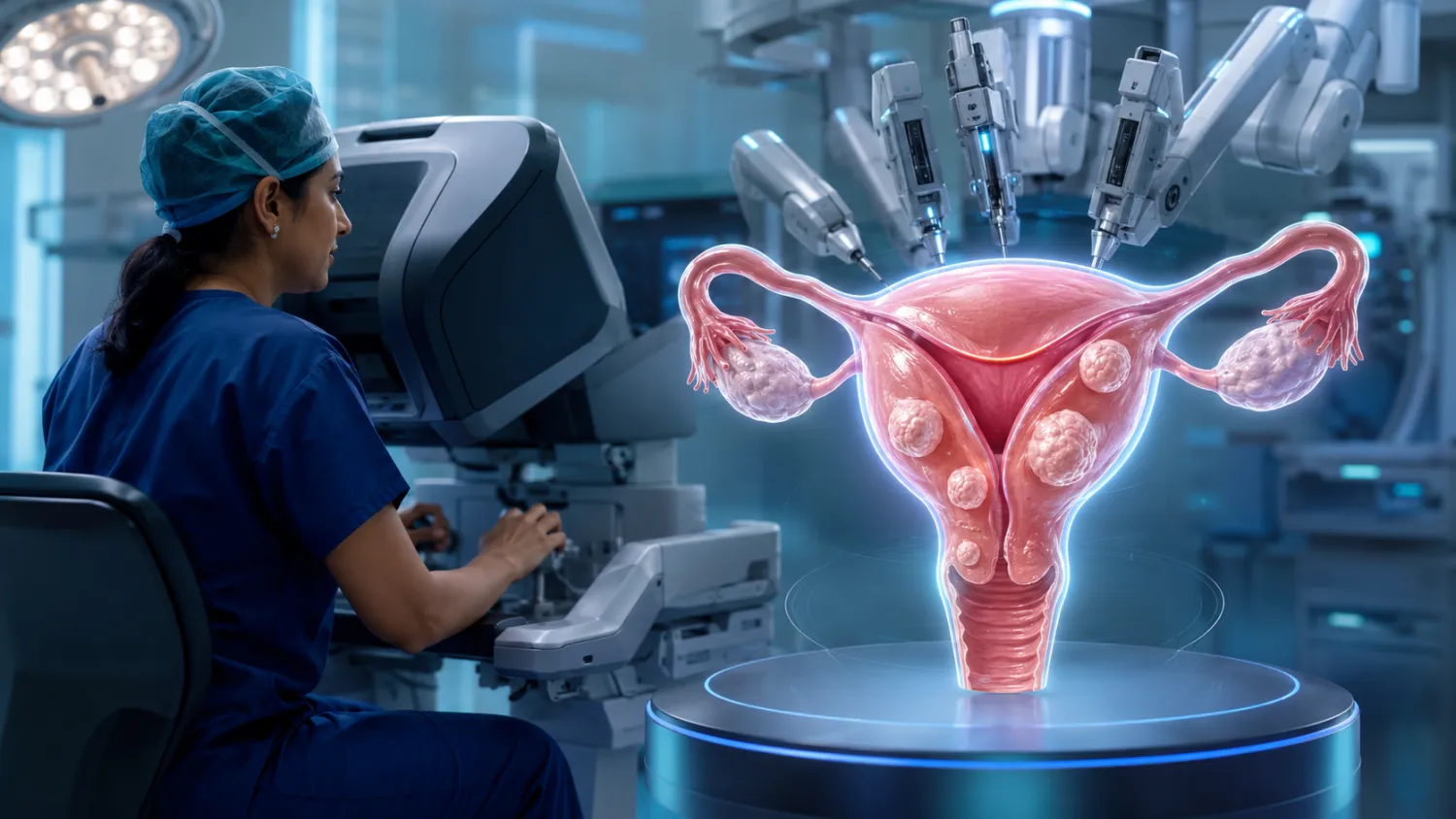
- Large or multiple uterine fibroids
- Persistent abnormal uterine bleeding
- Adenomyosis
- Severe endometriosis
- Chronic pelvic pain linked to uterine disease
- Uterine prolapse
- Endometrial or uterine cancer
- Selected cases of cervical cancer
- Precancerous changes that cannot be managed conservatively
- Complex pelvic adhesions
- A need for detailed pelvic dissection
The decision should never be based on a scan report alone. Symptoms, age, future fertility plans, previous treatments and the possibility of preserving the uterus must all be considered.
Is Hysterectomy the Only Option?
Not always. Depending on the condition, alternatives may include medication, hormonal therapy, hysteroscopic treatment, endometrial ablation, uterine artery embolisation, myomectomy or other minimally invasive procedures.
For example, a woman with uterine fibroids who wants to preserve fertility may be better suited to a myomectomy, which removes the fibroids while keeping the uterus. A woman with heavy bleeding may respond to hormonal treatment or a hysteroscopic procedure.
However, hysterectomy may be the most appropriate option when symptoms remain severe despite other treatments, when uterus-preserving surgery is unlikely to provide lasting relief or when cancer is diagnosed or strongly suspected.
A detailed consultation helps ensure that the recommendation is based on the patient’s condition and goals.
What Are the Benefits of Robotic Hysterectomy?
Potential benefits of robotic hysterectomy include:
Smaller incisions
The procedure is usually performed through several small abdominal incisions rather than one large cut.
Enhanced visualisation
A magnified three-dimensional view may help the surgeon identify important structures and tissue planes more clearly.
Greater surgical precision
Robotic instruments can move in multiple directions and filter natural hand tremors. This may assist with controlled dissection and suturing.
Reduced blood loss
Some patients may experience less blood loss than with an open abdominal hysterectomy, although outcomes depend on surgical complexity and individual health.
Shorter hospital stay
Many patients can go home within one or two days after an uncomplicated robotic procedure.
Faster recovery
Patients may return to light activities sooner than after open surgery. The American College of Obstetricians and Gynecologists notes that minimally invasive approaches can offer advantages such as a shorter hospital stay and faster return to normal activity.
Smaller scars
Small incisions generally leave less visible scarring than open abdominal surgery.
Help with complex surgery
The technology may be particularly useful when the uterus is large, the anatomy is difficult or detailed dissection and suturing are required.
These benefits are potential advantages rather than guarantees. The outcome depends on the patient, diagnosis, procedure and experience of the surgical team.
How Is Robotic Hysterectomy Performed?
The operation is performed under general anaesthesia. Small incisions are made in the abdomen, and a camera and robotic instruments are inserted.
The surgeon controls the robotic arms from a nearby console while an operating-room team remains beside the patient. The uterus is carefully separated from the surrounding tissues and blood vessels.
Depending on its size and the planned operation, the uterus may be removed through the vagina or through a small abdominal incision using an appropriate tissue-extraction technique. All tissue may be sent for histopathological examination.
The duration of surgery varies according to the diagnosis, size of the uterus, previous surgery, adhesions and whether additional procedures are required.
What Are the Risks?
Robotic hysterectomy is generally considered safe for appropriately selected patients, but it remains a major operation. Possible risks include:
- Bleeding or need for blood transfusion
- Infection
- Blood clots in the legs or lungs
- Anaesthesia-related complications
- Injury to the bladder, bowel, ureters or blood vessels
- Urinary difficulties
- Vaginal cuff complications
- Conversion to laparoscopic or open surgery
- Earlier menopause, even when the ovaries are preserved
- Surgical menopause if both ovaries are removed
- Emotional effects related to loss of fertility
The Mayo Clinic also identifies bleeding, blood clots, infection and injury to nearby organs as potential risks.
Patients should understand why the operation is recommended, which organs are expected to be removed and what alternatives are available before providing consent.
How Long Is the Recovery After Robotic Hysterectomy?
Recovery varies according to the extent of surgery, overall health and whether the procedure was performed for a benign condition or cancer.
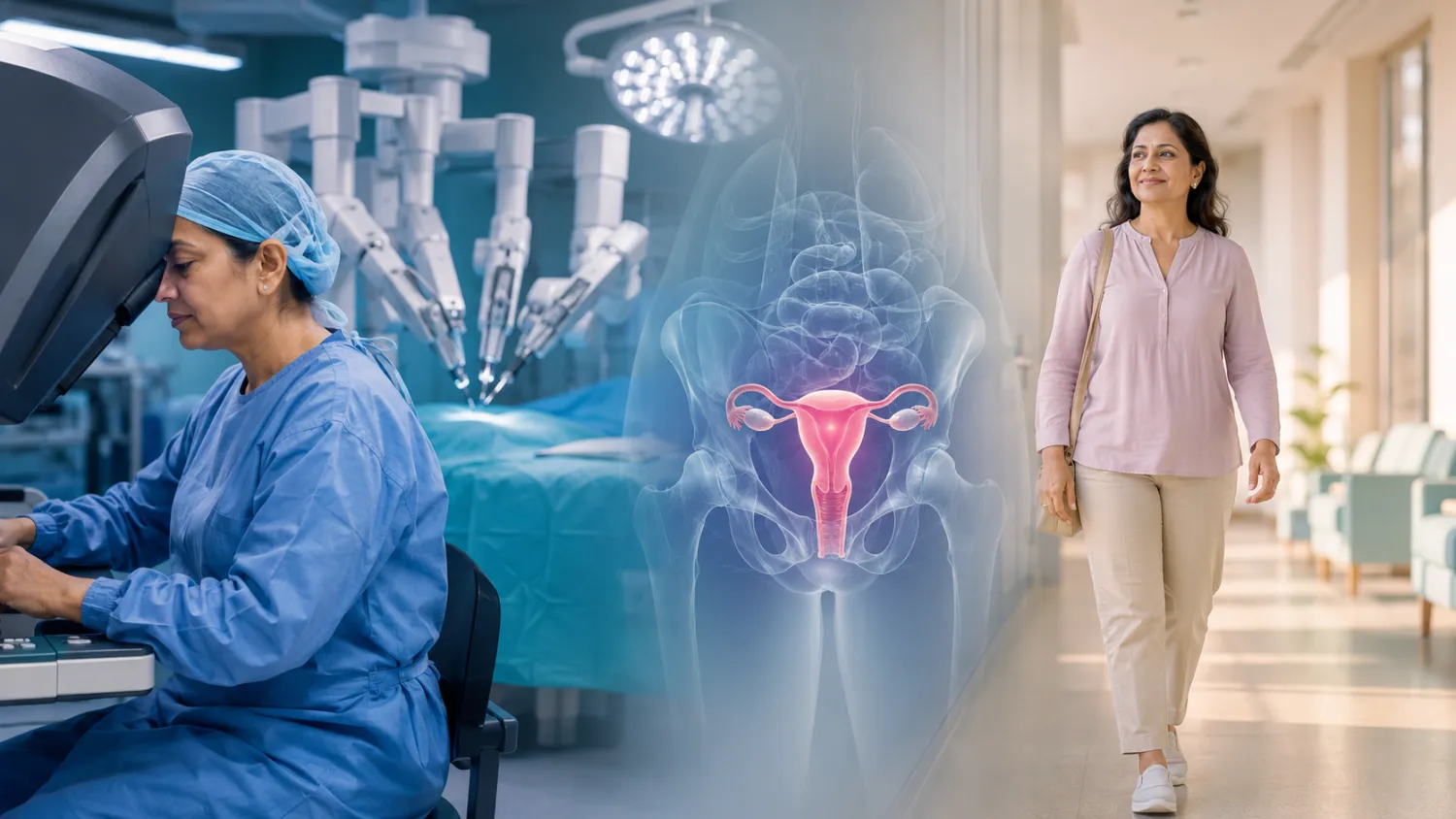
Many patients can begin walking within hours after surgery. Early movement is encouraged to support circulation and reduce the risk of blood clots. Some women may go home the following day, while others require a longer stay.
A general recovery pattern may include:
- First few days: Rest, gentle walking and prescribed pain relief
- One to two weeks: Gradual return to light household and desk-based activities
- Two to four weeks: Possible return to work, depending on the job and recovery
- Four to six weeks: Gradual return to exercise and heavier activity after medical clearance
- Around six weeks or later: Sexual activity may be resumed after the surgeon confirms that internal healing is complete
Recovery may take longer after extensive endometriosis surgery, cancer surgery, removal of a very large uterus or treatment of complications. Patients should follow their surgeon’s individual instructions rather than a fixed online timeline.
Seek medical advice promptly for high fever, worsening abdominal pain, heavy bleeding, foul-smelling discharge, chest pain, breathlessness, leg swelling or difficulty passing urine.
What Is the Cost of Robotic Hysterectomy in Delhi?
The cost of robotic hysterectomy varies significantly. A single standard price cannot apply to every patient because the final expense depends on:
- Diagnosis and complexity of surgery
- Size of the uterus
- Presence of fibroids, endometriosis, adhesions or cancer
- Need for additional procedures
- Hospital and room category
- Operating-room and robotic-system charges
- Surgeon and anaesthesia fees
- Duration of hospitalisation
- Preoperative investigations
- Medicines and consumables
- Histopathology charges
- Insurance coverage
Robotic surgery may cost more than conventional laparoscopy because it requires advanced equipment and specially trained personnel. However, a shorter hospital stay and earlier return to work may reduce some indirect costs.
Patients should obtain a personalised written estimate after consultation and confirm insurance approval before admission. Cost should be considered alongside safety, clinical suitability and the surgeon’s experience.
Is Robotic Hysterectomy Better Than Laparoscopic Hysterectomy?
Both are minimally invasive procedures and can offer excellent results. Conventional laparoscopy may be entirely suitable for many routine hysterectomies and is often more economical.
Robotic assistance may offer technical advantages during complex operations, especially when extensive suturing, careful dissection or access to difficult areas is required. It does not automatically make every hysterectomy safer or better.
The most appropriate approach depends on the diagnosis, anatomy, surgical complexity and experience of the surgeon—not simply the availability of robotic technology.
Questions to Ask Before Surgery
Before deciding, ask your surgeon:
- Why do I need a hysterectomy?
- Are uterus-preserving treatments possible?
- Why is a robotic approach recommended?
- Will my cervix, tubes or ovaries be removed?
- How could surgery affect my hormones and sexual health?
- What are the main risks in my case?
- What is the likelihood of conversion to open surgery?
- How long will I remain in the hospital?
- When can I return to work and exercise?
- What will the estimated cost be?
Consult Dr Usha M Kumar for Robotic Hysterectomy
Dr Usha M Kumar is a Director-level Gynaecologic and Robotic Surgeon at Max Smart Super Speciality Hospital, Saket. With over 30 years of experience and more than 10,000 surgeries performed, she specialises in robotic and laparoscopic gynaecological surgery, gynaecologic oncology and complex women’s health conditions.
If you have been advised to undergo a hysterectomy, a detailed evaluation can help determine whether robotic surgery, laparoscopy, vaginal surgery or another treatment is appropriate.
For appointments, call: +91-9999293741